
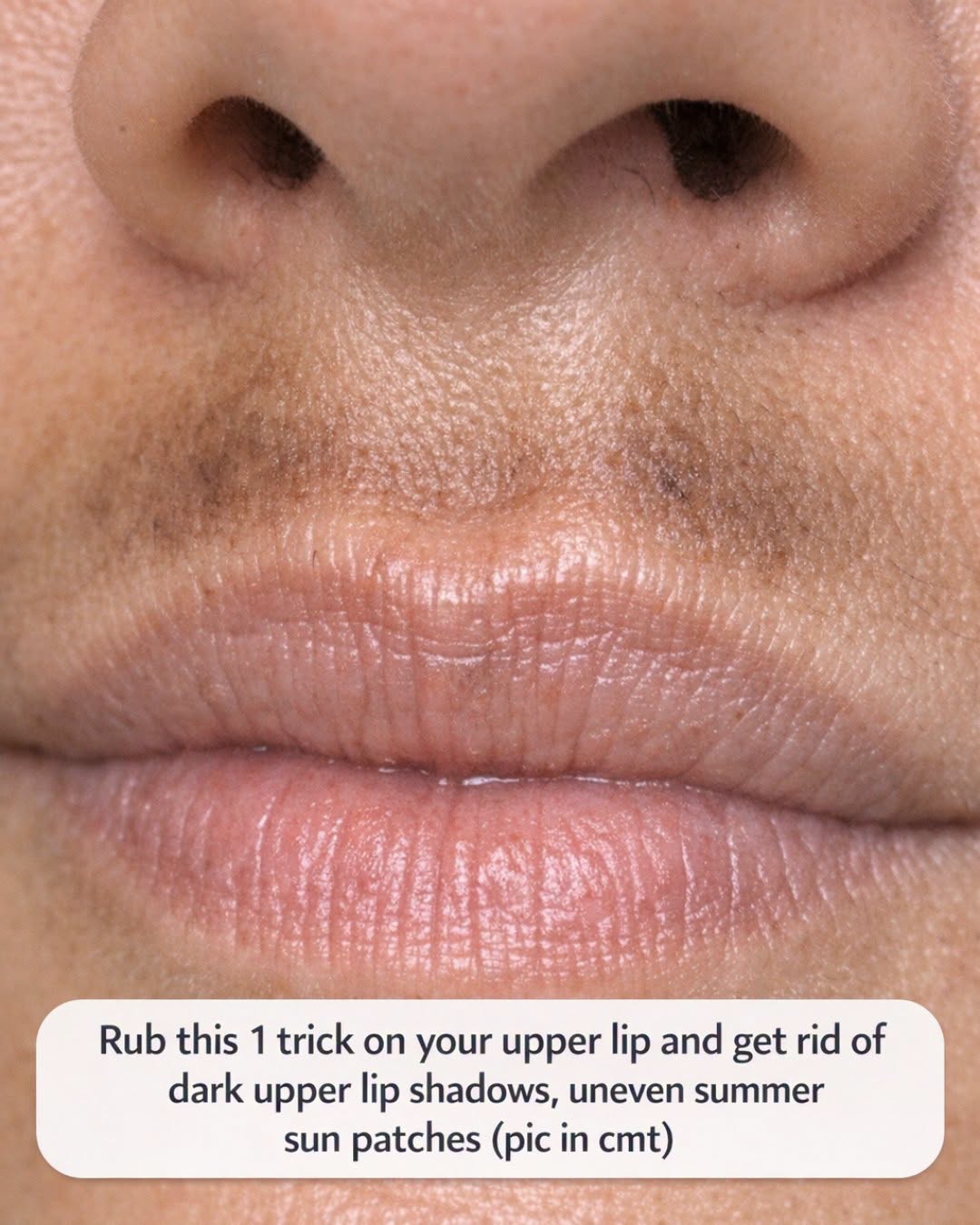
Look for “broad-spectrum SPF 30” at minimum, though SPF 50 is a good choice for people who spend time outside. A good formula for this area should be fragrance-free and ideally include at least 10% zinc oxide. Tinted mineral sticks can be especially nice because they help visually soften the shadow while protecting the skin at the same time.
4. Exactly how to apply it so it actually helps
Application is where many people miss the mark. Most of us swipe once and call it done, but that often isn’t enough to get the labeled protection. On clean, moisturized skin, rub the stick across the entire upper lip area 4 to 6 times. Extend about 1/4 inch above the visible shadow so you cover the whole zone, not just the darkest line.
Then apply it to any sun patches on the cheeks, forehead, or jawline. If you wear makeup, let the sunscreen set for about 3 to 5 minutes before adding concealer, skin tint, or powder. Reapply after sweating, swimming, or spending more than 2 hours outdoors. If you’re at a baseball field, pool, county fair, or farmers market, that reapplication really matters.
5. What not to rub on it
I know there are endless home remedies online: lemon juice, baking soda, toothpaste, harsh sugar scrubs, and all sorts of “brightening” hacks. I would skip those completely. The upper lip is delicate, and irritation can trigger more post-inflammatory hyperpigmentation. In plain terms, the skin gets annoyed and responds by getting darker.
If you’ve ever waxed your lip and then gone outside without protection, you may have seen this happen already. Tiny irritation plus UV exposure is a recipe for more discoloration. Gentle care wins here. Think soothing, protective, and consistent, not aggressive.
6. The nighttime routine that pairs best with the daytime trick
While sunscreen is the daytime star, evening care can help support gradual fading. After washing your face, use a gentle brightening product 2 to 4 nights a week. Ingredients that often help include niacinamide at 4% to 5%, azelaic acid at 10%, tranexamic acid at 3% to 5%, or a mild retinoid if your skin tolerates it.
I would start with one active, not three all at once. For many people, niacinamide or azelaic acid is the easiest place to begin. Use a pea-sized amount for the whole upper lip area and any uneven patches, then follow with a plain moisturizer. If your skin stings for more than a minute or looks flaky after 48 hours, cut back to 2 nights a week.
