
When I’m standing in the aisle, I look for five things: broad-spectrum protection, SPF 30 or higher, mineral filters like zinc oxide, fragrance-free labeling, and a stick or tinted formula that’s easy to reapply. If your skin is sensitive, avoid strongly fragranced products and anything that burns near the nose or mouth.
Price-wise, you can often find a good sunscreen stick in the $8 to $20 range at drugstores or big-box stores. If you have deeper skin and worry about a chalky cast, a tinted mineral option is often worth the extra few dollars. That little bit of tint can make daily use much more pleasant.
11. Makeup tricks that help without making things cakey
If you like a little coverage, use the sunscreen first and let it settle. Then dab on a small amount of peach-toned corrector if the darkness looks gray or ashy, or a yellow-toned corrector if it looks more brown. After that, press a light concealer over the top with a small brush or fingertip.
I’ve found that less is more around the mouth. Heavy layers tend to crease by lunch, especially in humid weather. A thin layer of corrector plus concealer often looks fresher than piling on foundation. Set lightly with a tiny dusting of powder if you need it.
12. When the problem might be melasma instead of a simple sun patch
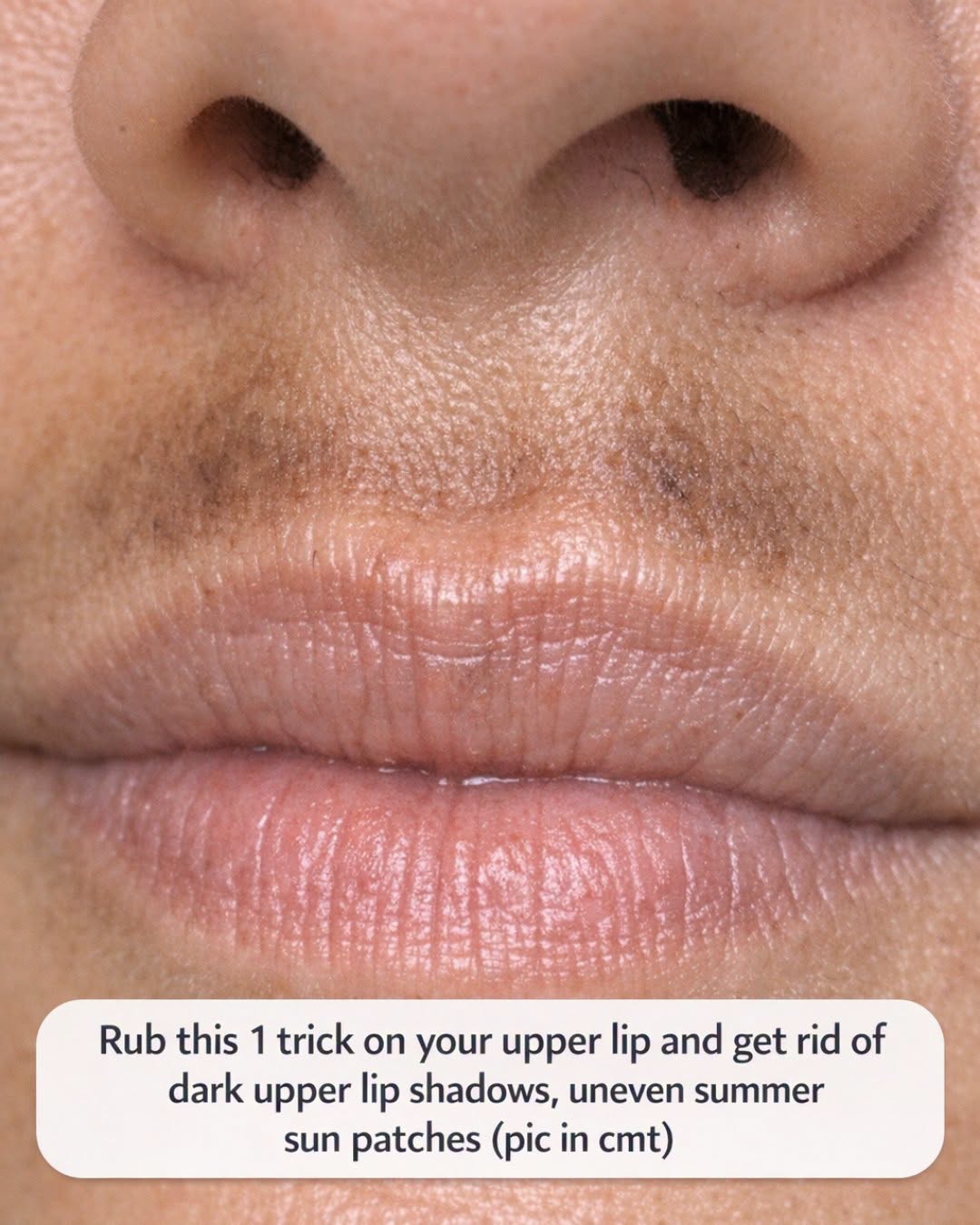
If the discoloration is symmetrical, brown-gray, and tends to come back every summer no matter what you do, melasma is a possibility. It’s common, stubborn, and often linked to hormones, heat, and ultraviolet exposure. Pregnancy, birth control, and some medications can play a role too.
In that case, sunscreen is still essential, but you may need a stronger plan from a dermatologist. Prescription options can include hydroquinone, tretinoin, azelaic acid, cysteamine, or combination creams. Office treatments might help too, though some procedures can worsen melasma if they’re too aggressive.
13. Signs you should see a dermatologist
Please make an appointment if the area is new, rapidly changing, itchy, painful, scaly, or bleeding. Also get checked if one patch looks very different from the others or if over-the-counter care hasn’t helped after about 8 to 12 weeks of consistent use. Not every dark patch is simple pigmentation.
