
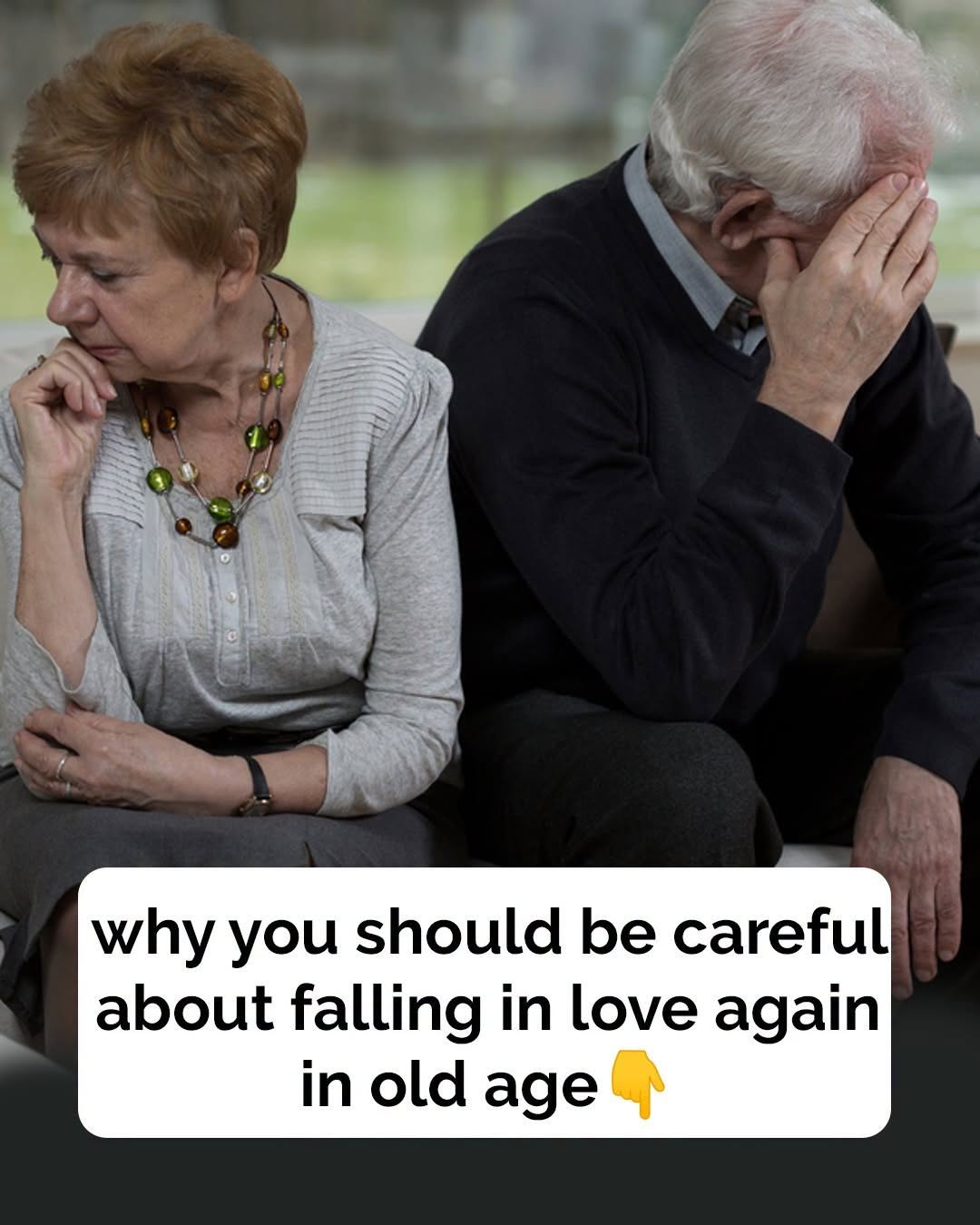
None of this means older adults should avoid new relationships — quite the opposite. Companionship later in life is linked to better emotional health, a stronger sense of purpose, and even improved physical health outcomes. The goal isn’t to approach new love with suspicion, but to approach it with the same clarity and self-respect that decades of life experience should provide.
A few practical safeguards experts commonly recommend:
- Keep finances separate, at least initially. Maintaining independent bank accounts and financial decision-making authority protects both partners and removes unnecessary pressure or temptation.
- Loop in trusted family members or a financial advisor. A second, less emotionally invested perspective can help spot red flags that might otherwise be missed.
- Consult an elder law or estate planning attorney before making major changes. Updating a will, adding someone to a deed, or changing a beneficiary designation are all decisions worth making with professional legal guidance rather than in the heat of a new romance.
- Take your time. There is no rush that outweighs the value of genuinely knowing someone’s character, habits, and intentions before merging your life — and your finances — with theirs.
Final Thoughts
Love after 60 can absolutely be one of life’s most meaningful and joyful chapters. But going in with open eyes — aware of the emotional vulnerabilities that come with loneliness, and the financial risks that come with decades of accumulated assets — is what allows that love to add happiness to your life rather than unnecessary complications. Trust, patience, and clear communication remain the foundation of any healthy relationship, but for older adults, protecting your independence, your estate plan, and your long-term financial security deserves just as much attention as protecting your heart.
