
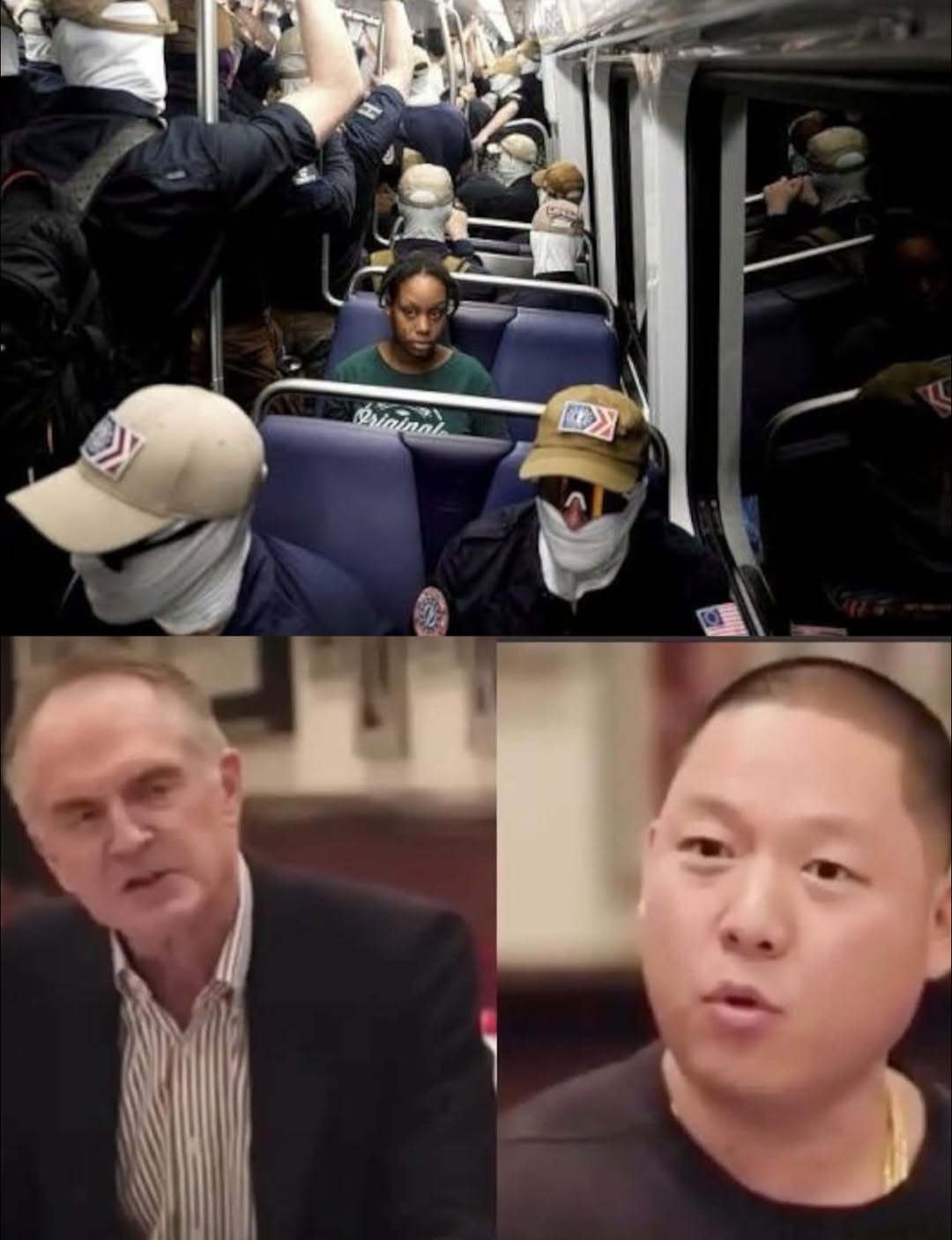
On the Fourth of July, while Americans celebrated Independence Day with fireworks, parades, and family gatherings, another march captured the nation's attention. Hundreds of masked men walked through the streets of Washington, D.C., wearing matching khaki clothing, white face coverings, sunglasses, and beige caps. They carried both American flags and Confederate flags, presenting themselves as defenders of a version of America they claimed was being taken away.
For many who watched the footage, the images were shocking. The masks, uniforms, and coordinated march seemed to embody the face of modern extremism. Yet focusing only on that spectacle risks missing a far more troubling reality.
The greatest threat posed by white supremacy has never been the people willing to march openly in uniform. Throughout history, its most lasting influence has often come from those who never needed a disguise at all.
Hate Doesn't Always Look Like Hate
Popular culture often teaches us to recognize extremists by obvious symbols—hoods, masks, swastikas, Confederate flags, or angry crowds. These images make hatred easy to identify.
Reality is rarely that simple.
Many of the ideas that have shaped racial inequality in America have not been promoted through shouting crowds. Instead, they have been expressed calmly in television interviews, political speeches, academic essays, corporate boardrooms, and legislative chambers.
History shows that discrimination often succeeds not because it appears extreme, but because it presents itself as reasonable.
Sometimes the most dangerous words are spoken in the quietest voice.
A Conversation That Revealed More Than a Protest
Years before today's headlines, chef and television host Eddie Huang sat down with Jared Taylor, founder of the white nationalist publication American Renaissance, during an episode of Huang's World.
Rather than staging a confrontation, Huang allowed Taylor to explain his beliefs in his own words.
Taylor calmly argued that immigration should be reduced because he believed it would slow what he described as the "dispossession" of white Americans. He expressed concerns about demographic changes and framed his views as matters of preservation rather than prejudice.
There were no raised voices.
No dramatic outbursts.
No obvious display of anger.
That calm delivery made the conversation more unsettling than if it had been filled with shouting.
