
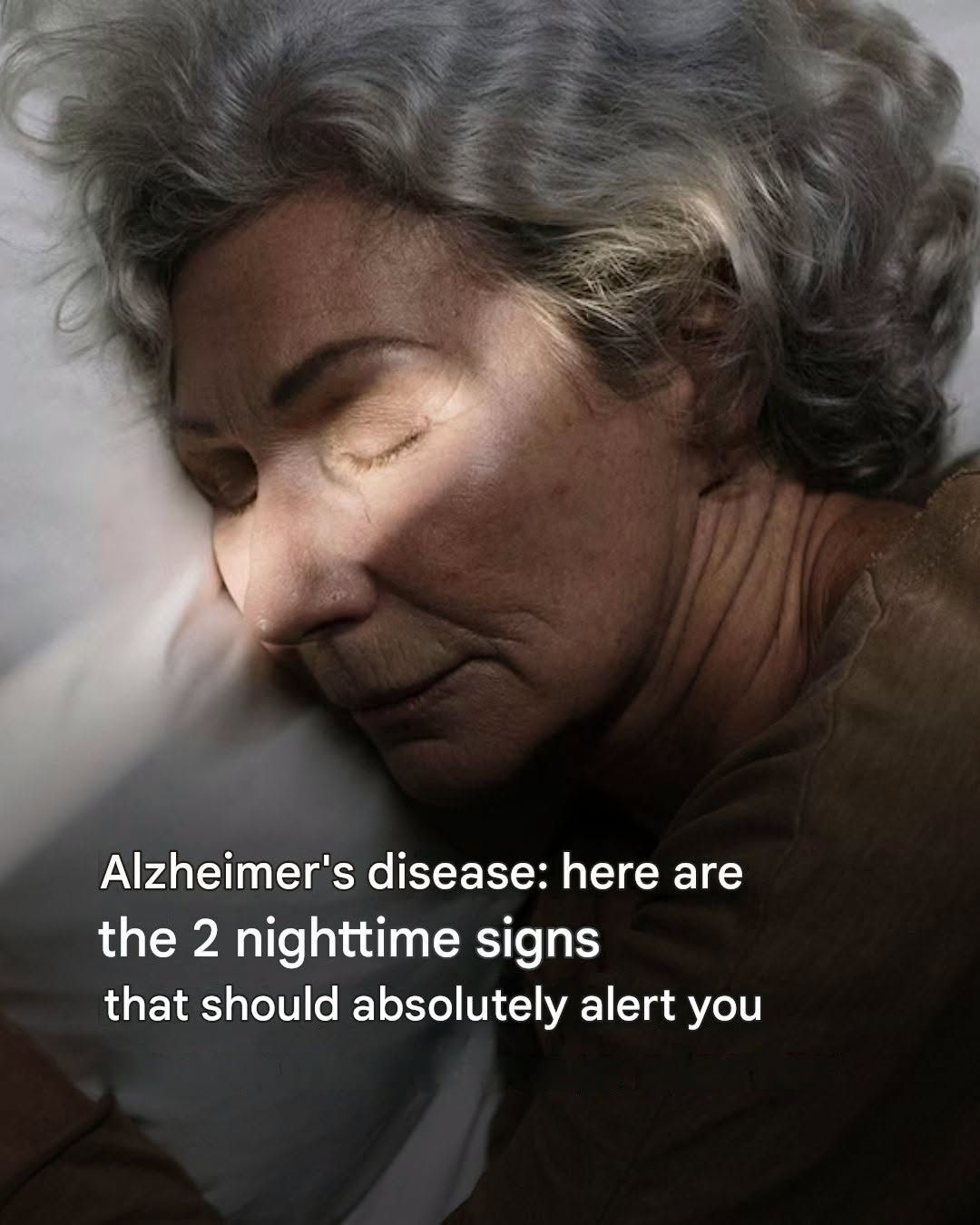
“This is a state where the person has minor difficulties with memory or thinking, but it doesn't impact their daily life or work,” explains Dr. Maï Panchal. However, “they don't necessarily lead to Alzheimer's disease .” Indeed, she explains that some people remain at this stage their entire lives, while others progress to a neurodegenerative disease.
At what point should we be concerned about the presence of neurocognitive disorders?
On the contrary, the symptoms of Alzheimer's disease directly impact daily life. "Alzheimer's disease often manifests as recent memory loss (for example, forgetting what you ate for lunch or a recent family event)," explains Dr. Maï Panchal. But it can also present itself in other ways, notably through:
