
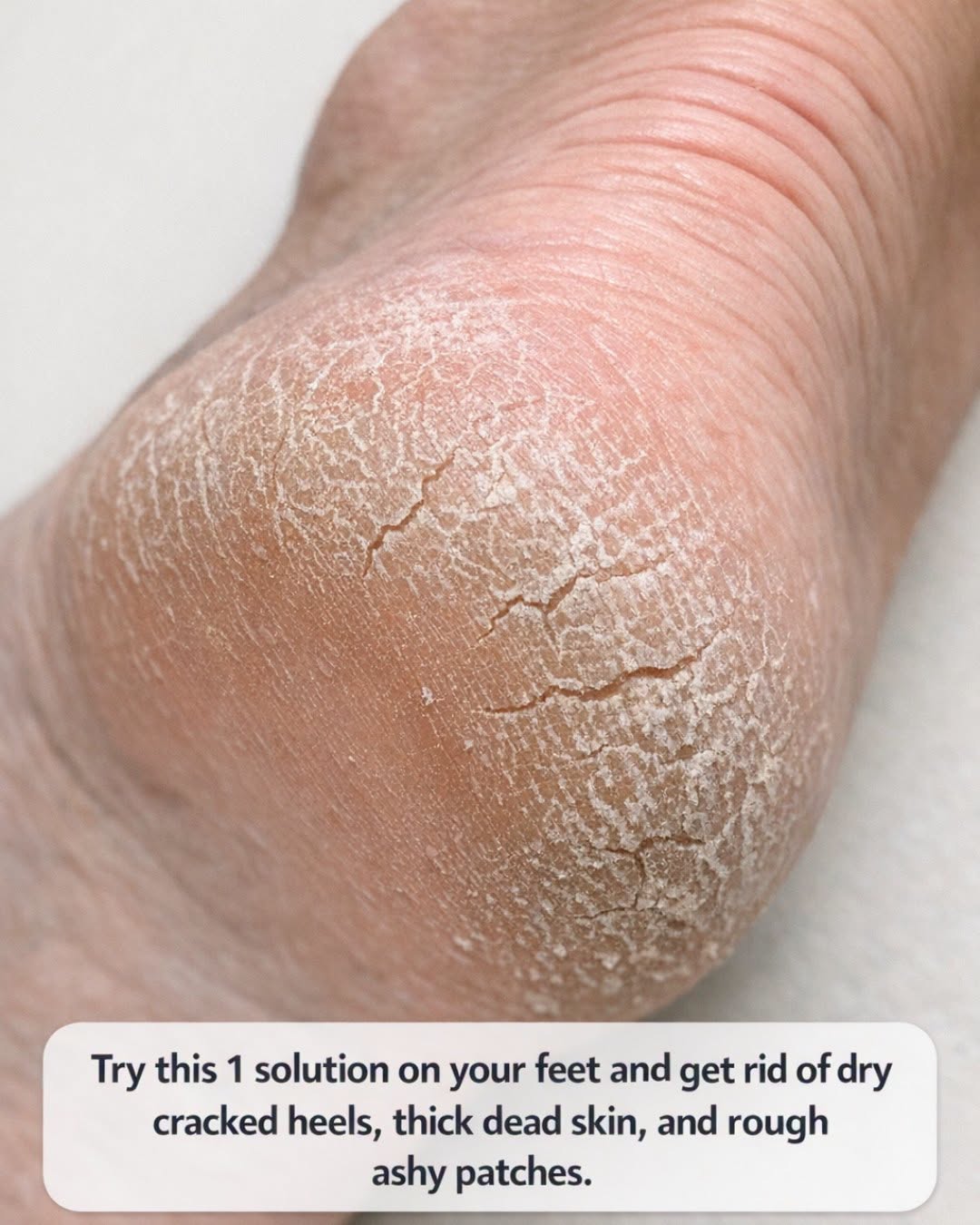
If your heels are catching on the sheets at night, leaving little white flakes in your socks, or feeling so rough that you avoid sandals altogether, you are not alone. I live in a small Midwestern town where winter air, hard floors, and months of closed-up shoes can do a number on feet, and I have absolutely had seasons where my heels looked and felt much older than the rest of me. The good news is that one simple kind of solution can make a real difference: a warm foot soak followed by gentle exfoliation and sealing moisture in properly.
In this article, I’m going to walk you through exactly how I use this at home, what ingredients and tools work best, how long to soak, how to handle thick dead skin safely, and when cracked heels need more than a home remedy. I’ll also share a few family-friendly variations, including gentler options for sensitive skin and practical ways to keep rough, ashy patches from coming right back.
1. The one solution I recommend most
If I had to pick one at-home approach that gives the best results for dry cracked heels, thick dead skin, and rough ashy patches, it would be this: a 10- to 15-minute warm foot soak in water with Epsom salt, followed by light exfoliation, then a thick moisturizer sealed in with socks. It is not flashy, but it works because it softens hardened skin first instead of asking you to scrape away dryness when your feet are still tough and brittle.
My basic ratio is 2 to 3 quarts of warm water in a wash tub or foot basin, plus 1/2 cup Epsom salt. The water should feel comfortably warm, not hot enough to sting. If you have a thermometer handy, aim for about 92 to 100 degrees Fahrenheit. After soaking, pat the feet until damp-dry, use a pumice stone or foot file for 30 to 60 seconds per heel, and apply a thick cream or ointment right away.
2. Why cracked heels and rough patches happen in the first place
Most rough heels are a combination of dryness and pressure. The heel naturally has thicker skin because it bears body weight all day. When that skin loses moisture, it gets less flexible. Then every step adds stress, and the dry skin starts to split, flake, and build up into thickened layers.
In my house, the biggest culprits are winter heating, going barefoot on wood or tile floors, standing a lot in the kitchen, and shoes with open backs. Age matters too. As we get older, skin tends to hold less moisture. If you add calluses, friction, and not enough regular foot care, you end up with those chalky white patches and cracks around the edges of the heels.
3. What you need before you start
