
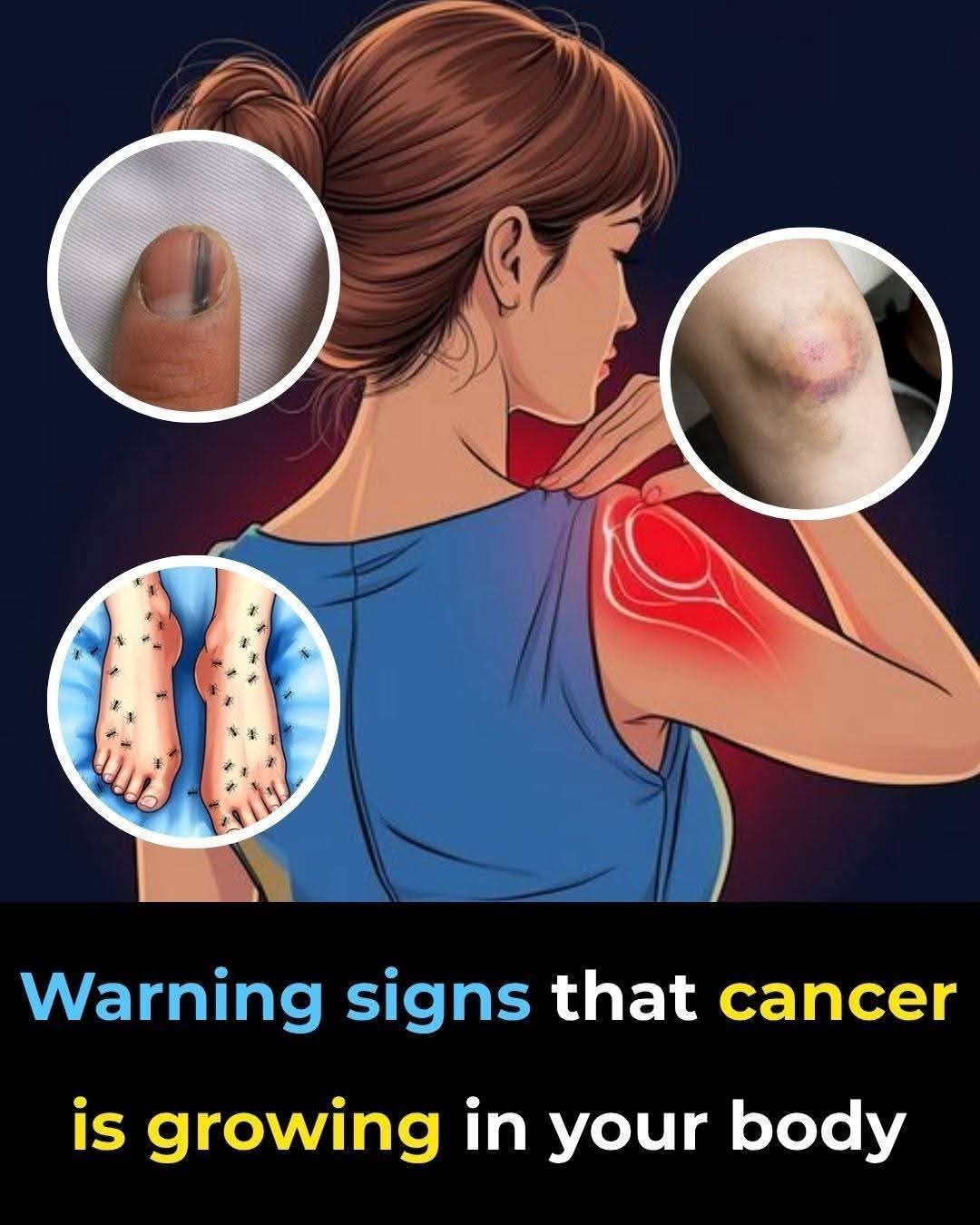
14. A New or Changing Skin Mark
A new mole or skin mark—or an existing one that changes noticeably in size, shape, or color—should be checked by a healthcare professional.
15. Unexplained Fever
A fever is often the body’s response to infection, but a persistent or recurrent fever without an obvious explanation should be investigated.
16. Excessive Sweating
Sweating can be completely normal, especially during hot weather or exercise. But unexplained or unusually heavy sweating, particularly when accompanied by other symptoms, may deserve attention.
17. Persistent Nausea or Vomiting
Short-term nausea is common. Repeated vomiting or nausea that continues without a clear explanation can lead to dehydration and may require medical evaluation.
18. Difficulty Swallowing
Feeling that food or liquid repeatedly gets stuck, or having ongoing difficulty swallowing, should be discussed with a healthcare professional.
19. Persistent Hoarseness
A voice that remains unusually hoarse for a prolonged period can have many causes, including irritation, reflux, allergies, or infection.
20. Unusual Weakness or Numbness
Sudden weakness or numbness—particularly on one side of the body—is an important warning sign. Stroke symptoms can include facial weakness, arm weakness, and speech problems, and emergency help is needed immediately.
21. Confusion or Sudden Difficulty Speaking
Sudden confusion, trouble speaking, or difficulty understanding speech can be signs of a neurological emergency. These symptoms should never be ignored.
22. Heart Palpitations With Dizziness
An occasional awareness of your heartbeat can happen for many reasons. But a racing or irregular heartbeat accompanied by dizziness, fainting, or chest discomfort needs prompt medical attention.
23. Fainting or Loss of Consciousness
Passing out can have relatively simple causes, but unexplained fainting should be medically assessed—especially when it happens repeatedly or occurs with chest pain or palpitations.
24. Symptoms That Keep Getting Worse
Sometimes the most important clue isn’t one particular symptom but the pattern. If something is steadily becoming worse, lasting longer than expected, or repeatedly returning, it’s worth seeking medical advice.
25. A Sudden, Dramatic Change in How You Feel
You know what is normal for your own body. A sudden and unexplained change—especially when several symptoms appear together—shouldn’t simply be dismissed.
The Most Important Lesson
Seeing one of these symptoms does not mean you have a serious disease.
The same symptom can have many different causes, and only a qualified healthcare professional can properly evaluate the situation. The goal isn’t to panic whenever something feels different. It’s to recognize when a change is unusual, persistent, severe, or accompanied by other concerning symptoms.
Some symptoms, however, require immediate action. Sudden chest pain with concerning associated symptoms, severe breathing difficulty, loss of consciousness, or sudden signs of stroke are examples of situations requiring emergency medical help.
Your body doesn’t always send dramatic warnings.
Sometimes, it simply sends a small change that keeps coming back.
Pay attention. Don’t panic—but don’t automatically ignore it either.
