
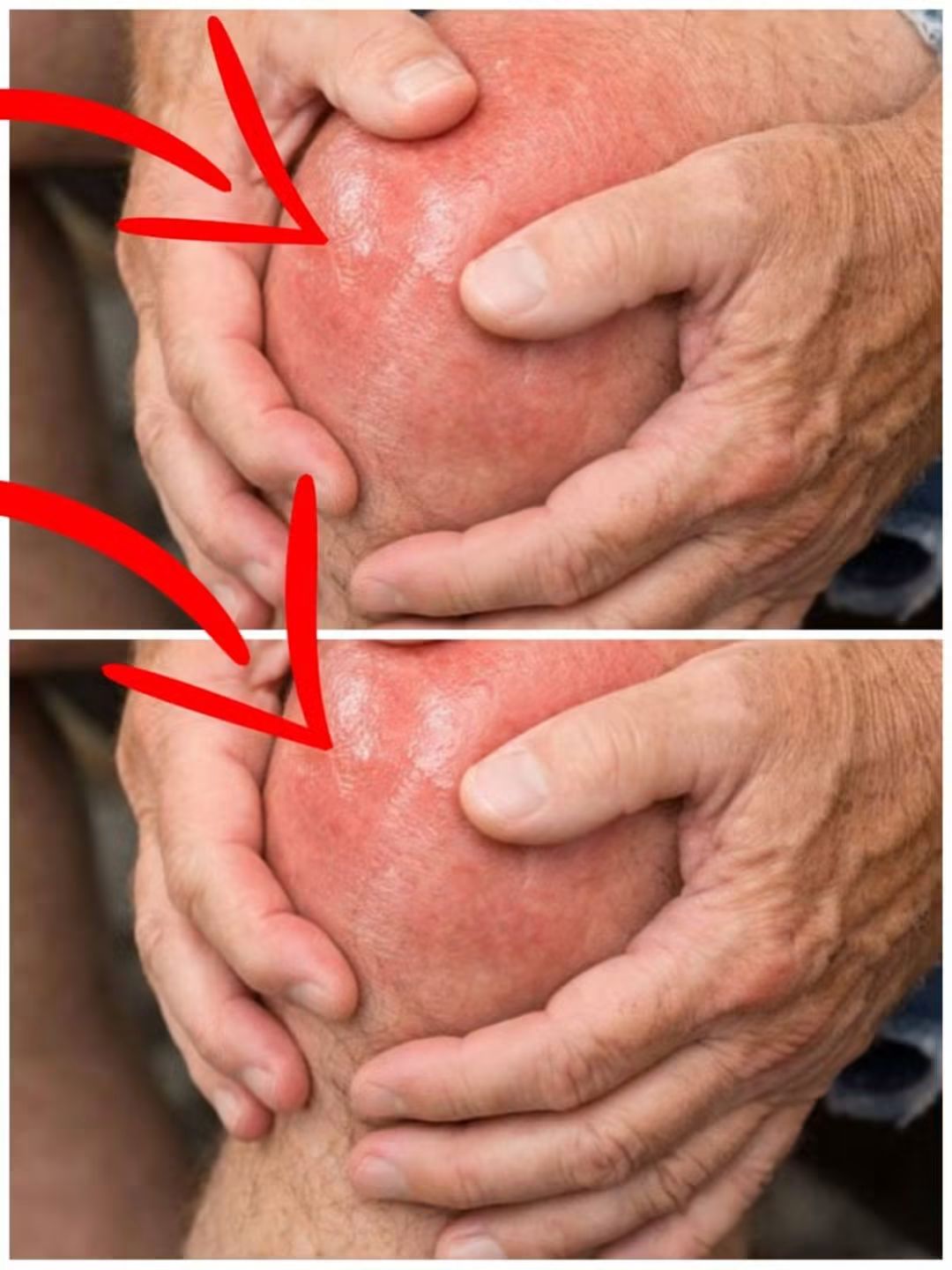
During a gout flare, uric acid crystals irritate the tissues inside the joint. The body’s immune system responds with intense inflammation, which can cause significant swelling, redness, heat, and pain.
This is why a knee affected by gout can look dramatically different from the other knee.
Gout doesn’t always start in the big toe
Many people think gout only affects the big toe, but that’s not true. The knee is also one of the joints that can be affected. In some people, a knee attack may be the first obvious sign of gout.
What can trigger an attack?
Several factors may increase the chance of a gout flare, including dehydration, drinking too much alcohol, certain medications, injury to a joint, and eating very large meals. Being overweight, having kidney problems, high blood pressure, diabetes, or high cholesterol can also increase the risk.
Don’t assume every red, swollen knee is gout
This is extremely important.
A hot, red, swollen knee can have several possible causes. Gout is one possibility, but a joint infection can cause similar symptoms and requires urgent medical attention. If severe joint pain and swelling are accompanied by fever, chills, feeling very unwell, nausea, or rapidly worsening symptoms, medical attention should be sought urgently.
Doctors may use an examination, blood tests, and sometimes a sample of fluid from the joint to help determine whether gout or another condition is responsible. A uric acid blood test alone does not always confirm gout, particularly during an acute attack.
What should you do if you suspect gout?
If you’ve never had gout diagnosed before and suddenly develop a very painful, swollen, hot, or red joint, it’s best to get medical advice rather than trying to diagnose yourself.
During a known gout attack, resting and raising the affected limb, keeping the joint cool with a wrapped ice pack for short periods, avoiding pressure on the joint, and staying hydrated when medically appropriate can help while following the treatment prescribed by a healthcare professional.
The important message: sudden swelling, redness, heat, and severe pain in a joint should not simply be ignored. Gout can be treated, and getting the correct diagnosis early can help reduce pain and prevent repeated attacks and long-term joint damage.
