
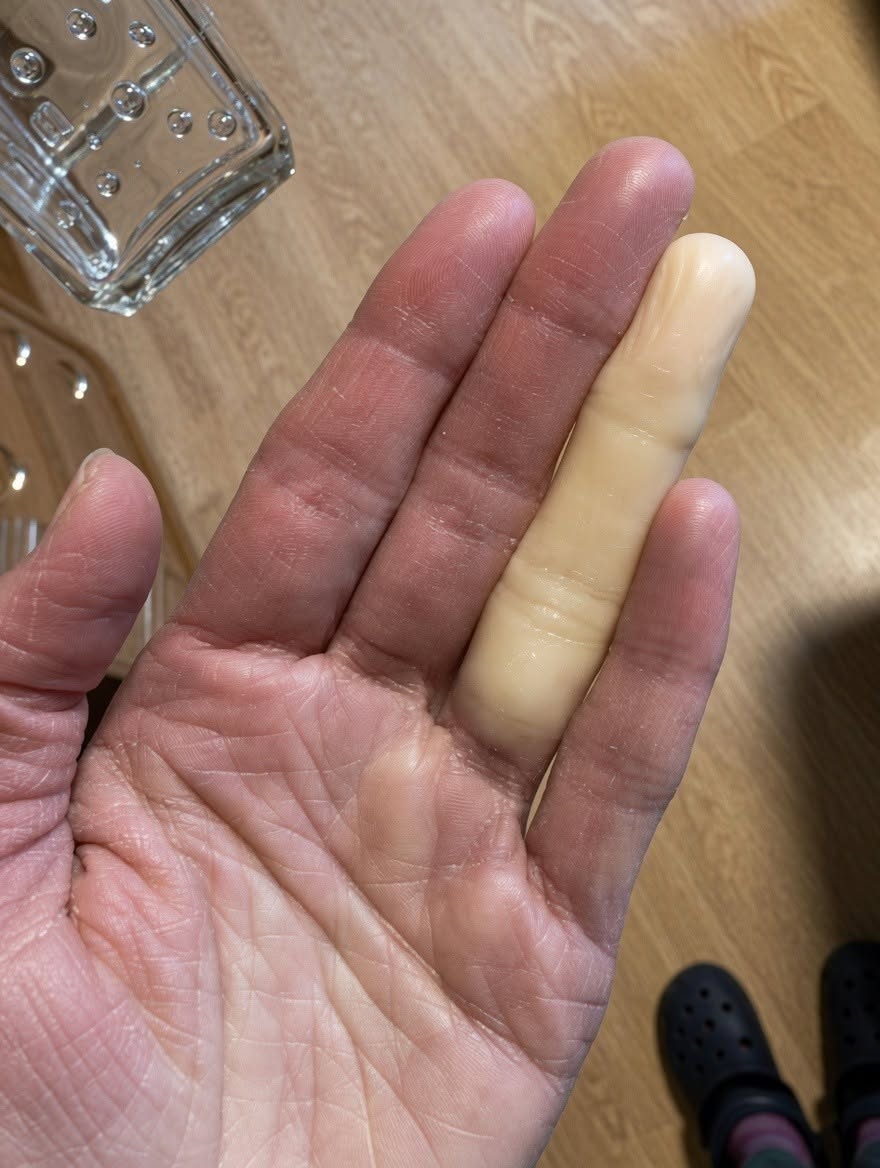
Because peripheral blood vessels are closely linked to the sympathetic nervous system (the system responsible for the “fight or flight” response), emotional stress and anxiety can actively trigger or worsen vasospasms. Incorporating calming practices like deep breathing exercises, mindfulness meditation, or a warm bath before sleep can keep your nervous system relaxed and balanced.
Dietary Considerations for Circulatory Comfort
What you consume throughout the day can influence how your blood vessels react to environmental shifts.
- Prioritize Hydration: Dehydration can cause blood volume to drop slightly, making circulation to your furthest extremities less efficient. Ensure you drink adequate water throughout the day.
- Moderate Caffeine Intake: Stimulants like caffeine can cause temporary narrowing of the blood vessels. If you experience frequent cold extremities at night, try limiting your intake of coffee, energy drinks, or strong teas in the late afternoon and evening.
- Supportive Nutrition: Eating a balanced diet rich in essential nutrients supports general blood vessel integrity and healthy cellular function.
5. What to Do in the Moment: Safe and Gentle Rewarming
If you wake up and discover that a finger or toe has turned white and feels numb, there is no need to panic. The primary goal is to encourage blood flow to return to the area gently and gradually without causing tissue irritation.
Best Practices for Rapid Relief
- Move to a Warmer Space: If your bedroom feels excessively chilly, move to a warmer room or wrap yourself comfortably in a thick blanket.
- Gentle Movement: Wiggle your fingers and toes continuously. You can also make wide, gentle circles with your arms; this utilizes centrifugal force to help encourage blood to flow downward into your fingertips.
- Utilize Core Body Heat: Place your cold hand directly into a naturally warm area of your body, such as tucked under your armpit or held between your thighs, for a few minutes.
- Use Lukewarm Water: If accessible, run lukewarm water over the affected hand. Ensure the water is comfortably mild and not hot, as sensitive skin can easily be irritated or damaged when blood flow is compromised.
- Light Massage: Gently stroke or massage your hand moving from the palm toward the fingertips to encourage natural circulation.
Actions to Avoid
- Avoid Intense Heat: Never place your hands directly against a hot radiator, heating pad, or under scalding water. Because the area is temporarily numb, you cannot accurately judge the temperature, which increases the risk of accidental skin damage.
- Avoid Vigorous Rubbing: Do not aggressively scrub or rub the affected skin, as this can irritate the delicate micro-vessels.
