
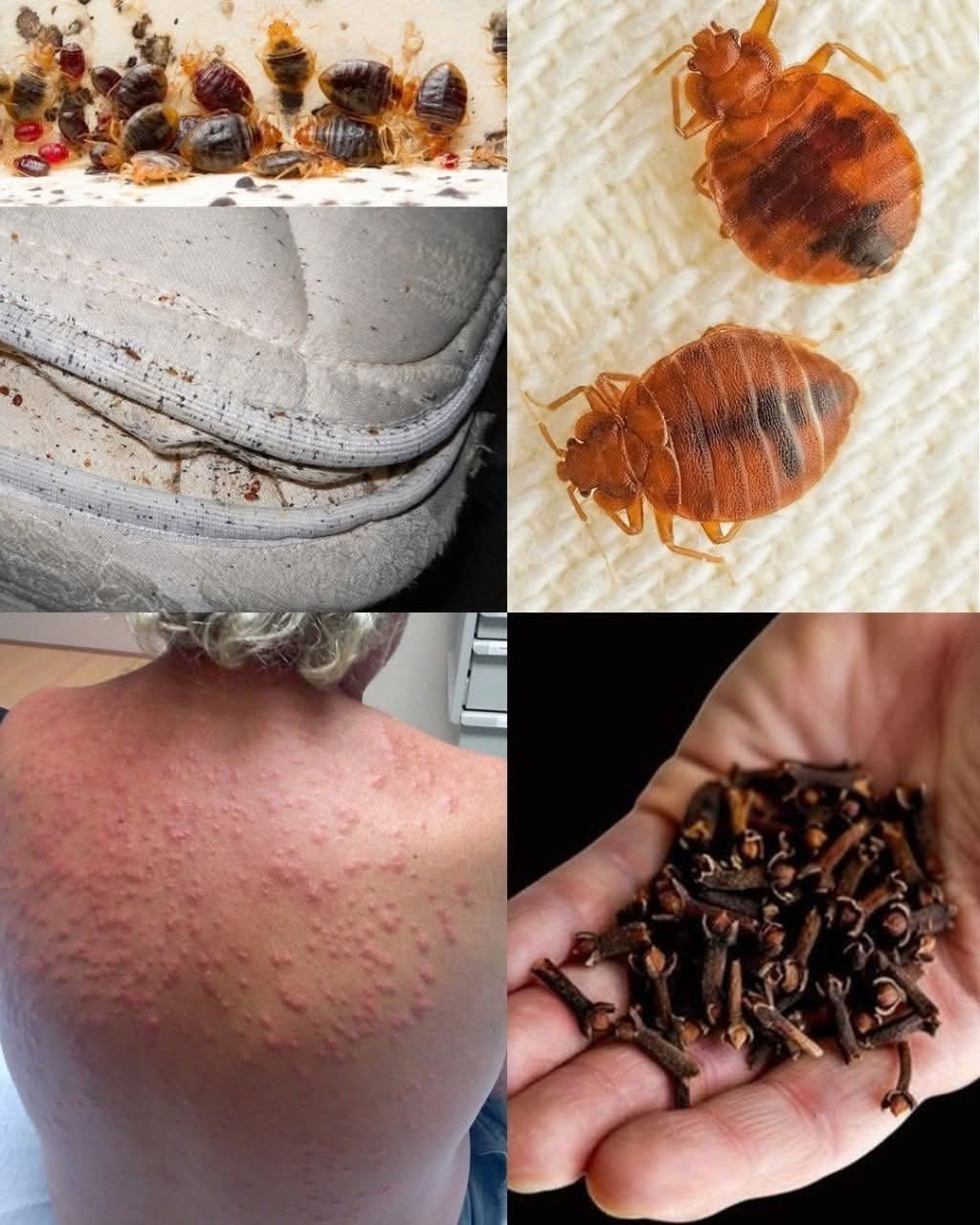
Bed bugs are tiny parasitic insects that feed exclusively on the blood of humans and animals. They are reddish-brown, oval-shaped, and about the size of an apple seed when fully grown. Although they do not fly, they move quickly across floors, walls, furniture, and ceilings, making it easy for them to spread throughout a home. They are most active at night, emerging from their hiding places while people are asleep before returning to cracks and crevices during the day.
One of the biggest misconceptions about bed bugs is that they only infest dirty homes. In reality, cleanliness has very little to do with an infestation. Bed bugs are attracted by body heat and the carbon dioxide people exhale while sleeping, not by dirt or food waste. They can be found in luxury hotels, apartments, hospitals, dormitories, offices, public transportation, and private homes alike.
These insects are expert hitchhikers. They often spread by attaching themselves to luggage, backpacks, clothing, purses, used mattresses, secondhand furniture, and moving boxes. Even a single pregnant female can start an infestation by laying hundreds of eggs during her lifetime. Because the eggs are tiny and difficult to spot, many people unknowingly bring bed bugs into their homes after traveling or purchasing used items.
Bed bugs hide in many unexpected places. Besides mattresses and bed frames, they can be found behind headboards, inside sofas and upholstered chairs, beneath carpets, behind peeling wallpaper, inside electrical outlets, under baseboards, and even inside cracks in wooden furniture. Their flat bodies allow them to squeeze into spaces no thicker than a credit card.
The first sign of an infestation is often itchy bites that appear overnight. These bites commonly occur on exposed areas of the body such as the arms, legs, neck, face, and shoulders. Some people develop small red welts that itch intensely, while others may have little or no visible reaction. Because the appearance of bed bug bites varies from person to person, bites alone cannot confirm an infestation.
Other warning signs include tiny dark spots on sheets or mattresses, which are bed bug droppings, small blood stains left after feeding, pale shed skins as the insects grow, clusters of tiny white eggs hidden in seams or cracks, and in severe infestations, a sweet, musty odor produced by the insects.
Although bed bugs are extremely unpleasant, there is currently no strong evidence that they transmit diseases to humans. However, they can have a significant impact on physical and mental well-being. Constant itching may lead to skin infections from scratching, while repeated bites often cause anxiety, stress, embarrassment, and sleep deprivation. Many people report difficulty sleeping even after the infestation has been removed because they fear being bitten again.
See more in the next page
