
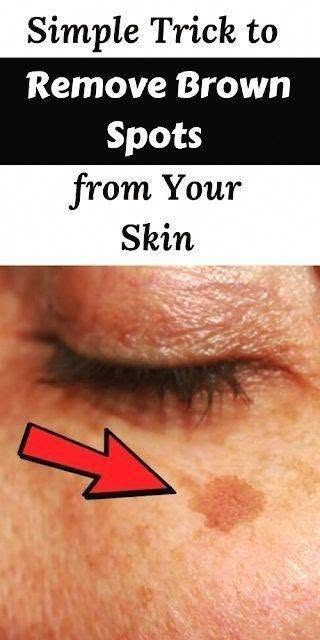
In particular, never apply household liquid bleach to your skin. It can cause serious irritation and is not a safe treatment for pigmentation.
Ingredients Worth Looking For
If you want a product specifically designed for dark spots, several ingredients may be useful.
Azelaic Acid
Azelaic acid can help improve uneven pigmentation and is often considered a gentler option. It may be particularly useful when dark spots are associated with acne or inflammation.
Vitamin C
Vitamin C is commonly included in brightening skincare products and can help improve the appearance of uneven skin tone when used consistently.
Retinoids
Retinoids such as retinol can help improve skin cell turnover and are used in pigmentation routines. However, they can cause dryness and irritation, so they should generally be introduced slowly.
Kojic Acid
Kojic acid is another ingredient used in products designed to reduce the appearance of excess pigmentation.
Glycolic Acid
Glycolic acid can help exfoliate the surface of the skin and may gradually improve the appearance of discoloration. Because over-exfoliation can cause irritation, it should be used carefully.
When You Need Something Stronger
Some pigmentation is stubborn and may not respond sufficiently to over-the-counter skincare.
Dermatologists may use or prescribe treatments such as hydroquinone, tretinoin, azelaic acid, or combination treatments depending on the cause and type of pigmentation. Procedures such as chemical peels and laser treatments may also be considered in appropriate cases.
These stronger treatments should be selected carefully because irritation can sometimes worsen pigmentation.
Be Patient
One of the biggest mistakes people make is expecting brown spots to disappear after a few days.
Pigmentation usually develops over time, and fading can also take time. The American Academy of Dermatology notes that a dark spot only a few shades darker than the person's natural skin tone may take 6 to 12 months to fade after the underlying cause has been addressed. Deeper pigmentation can take considerably longer.
Consistency is therefore much more important than using an extremely strong treatment once or twice.
A Simple Weekly Approach
A basic routine can look like this:
Every morning:
Gentle cleanser → brightening product → moisturizer → SPF 30+
Every evening:
Gentle cleanser → pigmentation treatment → moisturizer
During the day:
Avoid unnecessary direct sun exposure, seek shade when possible, and wear a hat or protective clothing when spending significant time outdoors.
One Important Warning
Not every brown spot is simply an age spot or harmless pigmentation.
Some skin conditions can look similar to ordinary dark spots. The American Academy of Dermatology recommends having suspicious or changing spots evaluated because certain skin cancers and precancerous conditions can sometimes resemble age spots.
Seek professional evaluation if a spot:
- Changes noticeably in size, shape, or color
- Develops several different colors
- Bleeds or repeatedly crusts
- Becomes painful or persistently itchy
- Looks very different from the other spots on your skin
- Appears suddenly and continues to change
The Bottom Line
There is no magic ingredient that safely erases every brown spot overnight.
The most practical strategy is much simpler: protect your skin from the sun every day, avoid irritating DIY treatments, use proven brightening ingredients consistently, and give the process enough time to work.
For persistent, widespread, or unusual pigmentation, a dermatologist can determine the actual cause and recommend a treatment specifically suited to your skin.
A gentle routine followed consistently is usually far more useful than a harsh “miracle” remedy that promises instant results.
