
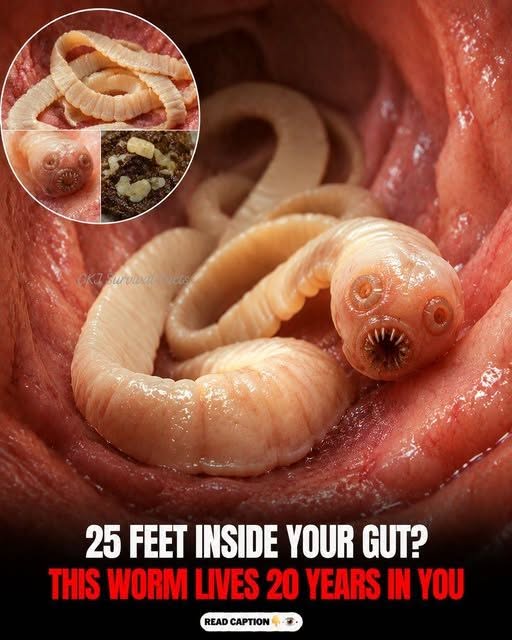
The Strange Part: Segments Can Appear in Stool
One of the most recognizable signs of some intestinal tapeworm infections is the presence of worm segments in bowel movements.
These segments, known as proglottids, are produced by the adult worm.
Depending on the species, they may be passed individually or together with feces.
People sometimes describe seeing small, flat, white or cream-colored pieces in the toilet.
Because other materials can look similar, however, seeing something unusual in stool does not automatically mean it is a tapeworm.
A medical professional can recommend the appropriate testing if an infection is suspected.
Is Eating Raw Pork the Main Risk?
For the pork tapeworm, eating raw or undercooked infected pork is an important route of acquiring an adult intestinal infection.
This is why cooking pork properly is an important food-safety practice.
But there is an important distinction.
Eating undercooked pork can cause intestinal taeniasis, while swallowing the eggs of Taenia solium can cause a much more serious condition called cysticercosis.
Cysticercosis occurs when the parasite’s larvae develop in tissues rather than remaining as an adult worm in the intestine.
When larvae affect the nervous system, the condition is known as neurocysticercosis, which can cause serious neurological problems.
This is one reason hygiene and sanitation are also important in preventing Taenia solium infections.
What About Sushi?
Raw fish can carry certain parasites, including some types of tapeworms.
However, saying that sushi automatically causes tapeworm infections is misleading.
Commercially prepared fish may undergo parasite-control procedures, and cooking fish thoroughly is one of the most reliable ways to eliminate many parasites.
The risk also varies according to the type of fish, where it came from, how it was handled, and how it was prepared.
If someone regularly consumes raw or undercooked fish and later develops persistent digestive symptoms or notices suspicious material in their stool, they should discuss the situation with a healthcare professional rather than trying to diagnose themselves online.
