
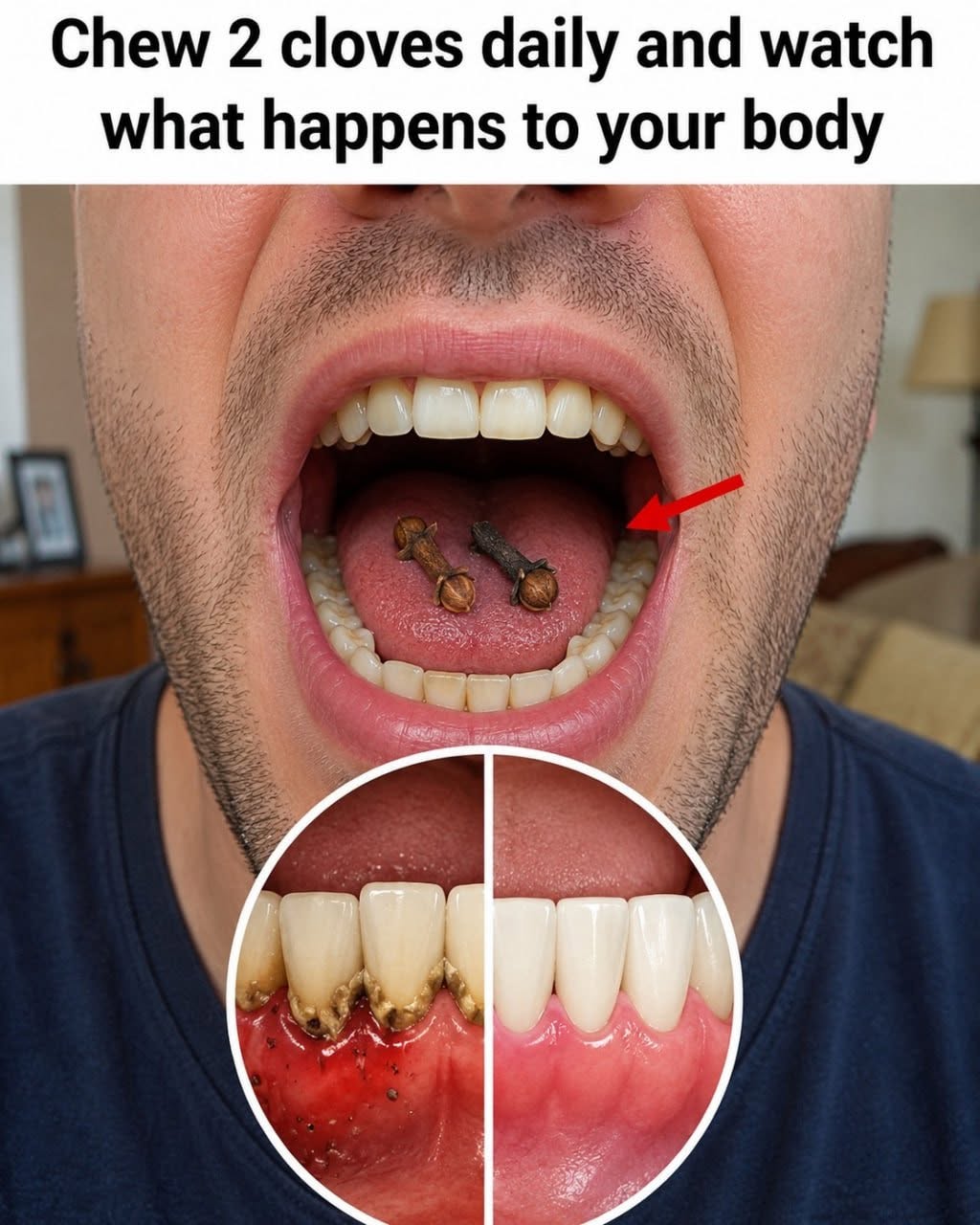
How to Make Chewing Two Cloves Part of Your Routine
Starting this habit requires almost no equipment and very little time. Follow these practical steps to give it a fair trial.
Choose plump, dark reddish-brown whole cloves with a strong, fresh aroma; older, pale cloves lose potency and may taste flat.
Begin with one clove in the morning or after your largest meal to assess tolerance before moving to two.
Place the cloves between your molars and chew slowly for three to five minutes, allowing the oils to coat the mouth surfaces.
You can swallow the softened bud or remove any remaining fibrous bits; both approaches are common.
Keep a small glass of water nearby if the initial intensity feels strong; most people adapt within a few days.
Track simple observations such as breath freshness at mid-afternoon or digestive comfort two hours after eating.
Continue for at least two to three weeks before deciding whether the subtle shifts justify the habit for you.
Consistency matters more than perfect timing. Many find the ritual pairs naturally with morning coffee or tea or serves as a pleasant close to dinner.
Important Considerations Before You Begin
While two cloves daily fall well within common food amounts considered safe for most healthy adults, certain groups should proceed with extra caution. Individuals taking medications for blood sugar or blood thinning should speak with their healthcare provider first, as eugenol can influence these pathways. Pregnant or nursing people, children, and anyone with known spice sensitivities should also check before making changes. Clove oil is far more concentrated and carries documented risks; whole buds chewed in small quantities are distinctly different.
Comparing Common Ways to Use Cloves
Method Release of Compounds Primary Focus Area Practical Notes
Chewing whole buds Slow, direct tissue contact Oral + digestive Most convenient for daily habit
Clove tea Hot water extraction Digestive comfort Pleasant ritual, milder oral effect
Ground in recipes Mixed with food Flavor + general antioxidant Easy to include in cooking
Diluted essential oil Highly concentrated External or dental products Use only as directed, not for daily chewing
This side-by-side view shows why chewing whole cloves occupies a unique middle ground: it delivers both localized oral benefits and swallowed compounds without requiring extra preparation.
Three Questions People Often Ask
How many cloves are too many in one day?
Most sources that discuss this habit suggest one to three whole cloves as a reasonable range for adults. Exceeding that amount regularly can lead to stomach irritation or an overly strong numbing sensation in the mouth. Listen to your body and scale back if anything feels uncomfortable.
