
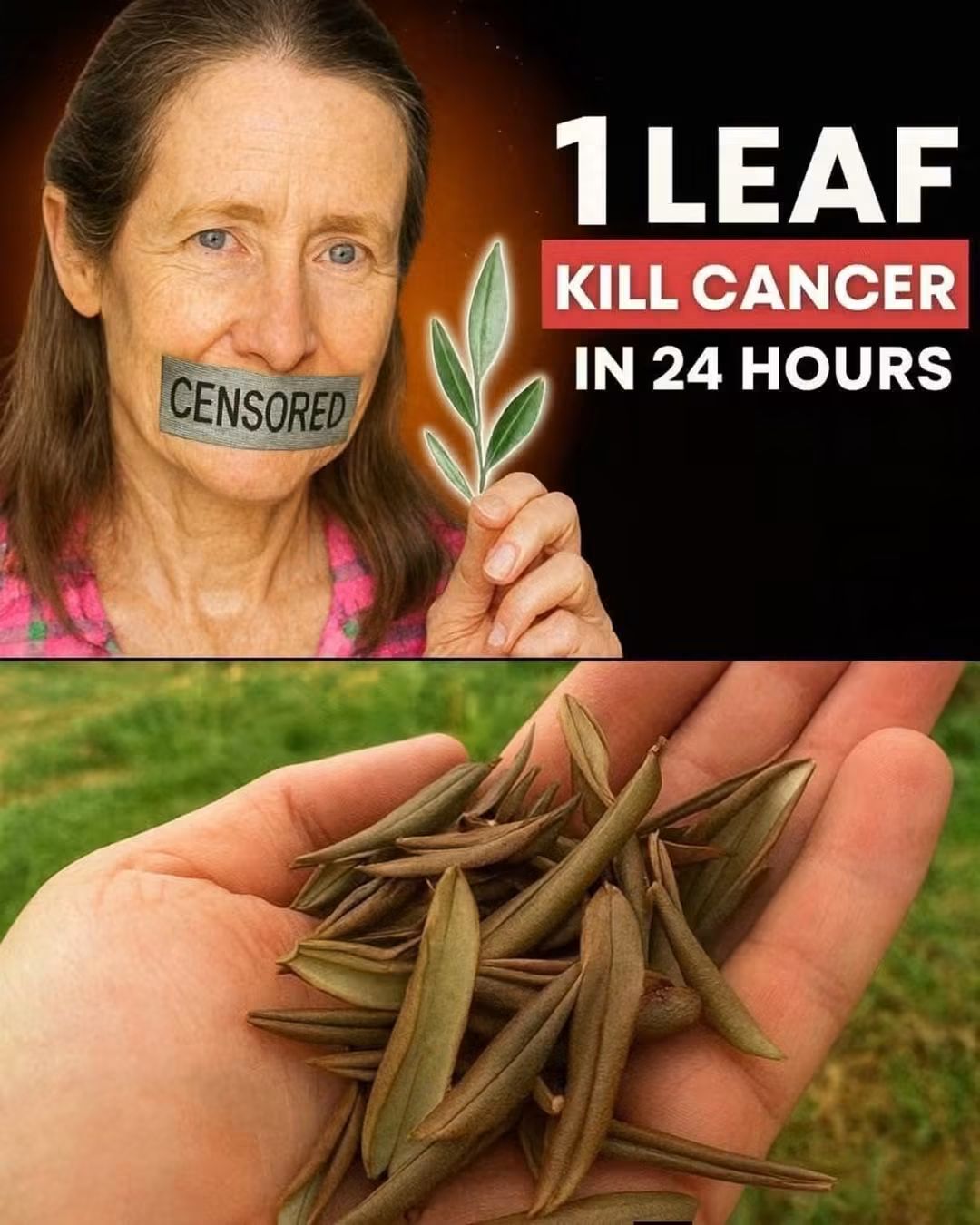
In fact, some modern cancer medicines originated from compounds found in plants.
But there’s a major difference between:
“Scientists are studying a plant compound for possible anticancer activity”
and
“Eating this leaf cures cancer.”
The first can be a legitimate scientific research question. The second requires strong clinical evidence before it can be accepted as a medical treatment.
Laboratory Results Are Not the Same as a Cancer Cure
One common problem with viral health articles is the way laboratory studies are presented.
A researcher may expose cancer cells in a laboratory dish to a concentrated plant extract and observe that some cells die.
That does not automatically mean eating the plant will produce the same result in a person.
The human body absorbs, processes, and eliminates substances in complicated ways. A concentration that affects cells in a laboratory may be impossible—or unsafe—to achieve through normal consumption.
This is why clinical trials involving people are essential.
Should Someone With Cancer Try a Natural Remedy?
Anyone diagnosed with cancer should discuss supplements, herbs, teas, or concentrated plant extracts with their oncology team before using them.
“Natural” does not automatically mean “safe.”
Some herbs can interact with chemotherapy, targeted treatments, immunotherapy, blood thinners, or other medications. Others may affect the liver or kidneys.
Replacing proven cancer treatment with an unproven remedy can also allow the disease to progress while valuable treatment time is lost.
What Can You Actually Do?
If you’re interested in natural approaches, there is a safer way to explore them.
Ask a qualified healthcare professional:
– Is there human research supporting this treatment?
– Could it interact with my medication?
– What dose has actually been studied?
– Are there known side effects?
– Has it been tested in people with my type of cancer?
– Could using it delay an effective treatment?
These questions can help separate promising research from exaggerated internet claims.
The Bottom Line
The idea of a simple leaf that can “destroy cancer” is understandably appealing, but there is no scientific basis for treating such a headline as proof of a cancer cure.
Some plants contain fascinating compounds that scientists continue to investigate, and natural products have contributed to medical discoveries. But a laboratory observation or traditional remedy is not enough to establish an effective cancer treatment.
When it comes to cancer, the safest approach is to rely on treatments supported by high-quality clinical evidence while discussing any complementary remedies with your healthcare team.
A viral headline can take seconds to read—but a medical decision can affect someone’s life for years. Always check the evidence before trusting a sensational health claim.
