
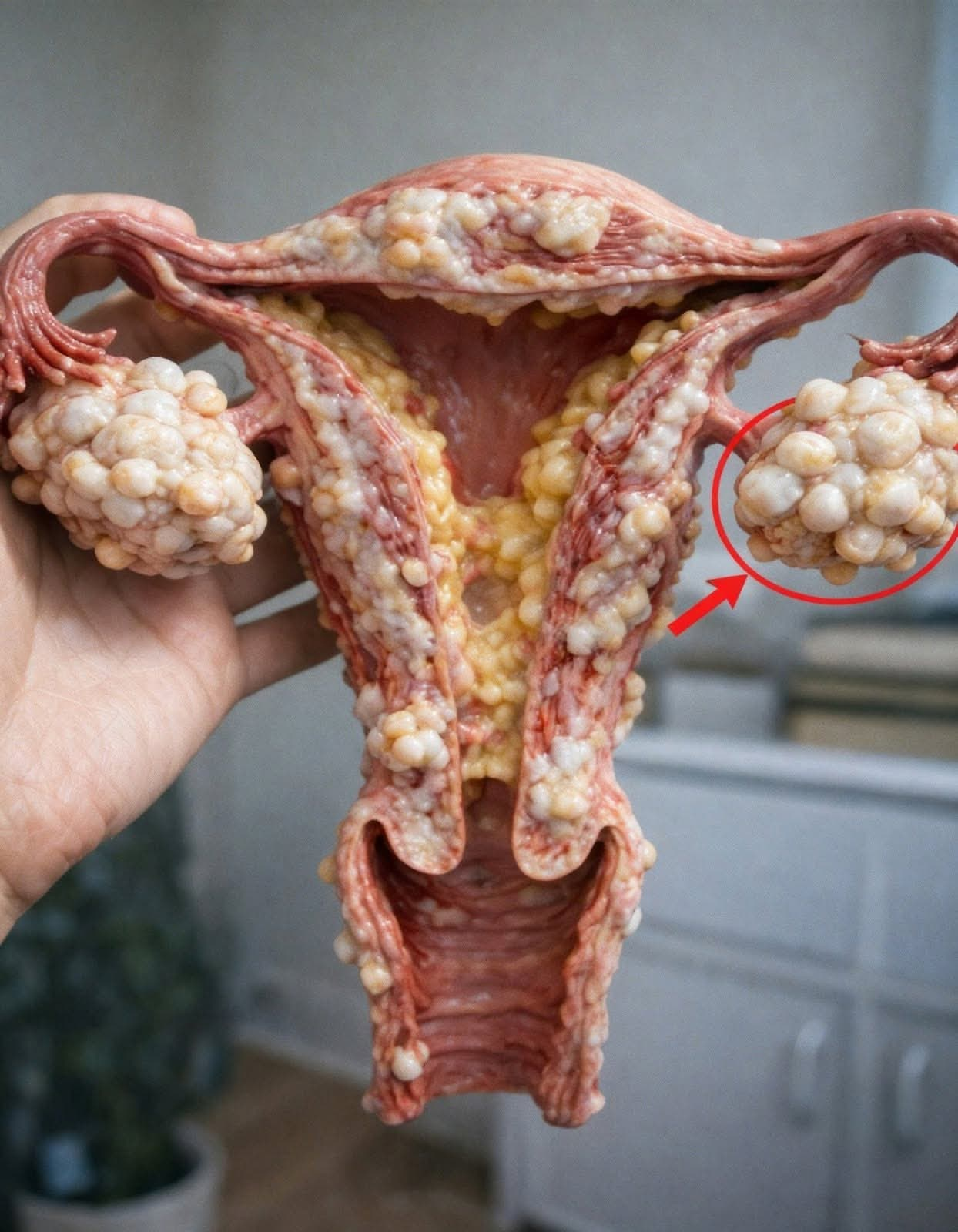
Perfumed soaps, bubble baths, vaginal sprays, scented pads, and douches can irritate the delicate vaginal tissues and disturb the natural balance of healthy bacteria.
7. Diet and Lifestyle
A diet high in sugary foods and refined carbohydrates may contribute to yeast overgrowth in some people. Staying hydrated and eating a balanced diet rich in fruits, vegetables, whole grains, and yogurt containing live cultures may help support a healthy balance of microorganisms.
8. Not Fully Treating the Infection
Stopping medication too early or using the wrong treatment may allow the infection to return. Some infections are also caused by different species of yeast that require specific medications prescribed by a healthcare professional.
What Can Help?
Wear breathable cotton underwear.
Change out of wet or sweaty clothing as soon as possible.
Avoid scented feminine hygiene products.
Keep blood sugar under good control if you have diabetes.
Follow your treatment exactly as prescribed.
Eat a balanced diet and stay well hydrated.
Get enough sleep and manage stress.
See a healthcare provider if infections keep returning or occur four or more times in a year.
The Bottom Line
Occasional yeast infections are common, but frequent or recurring infections may be a sign of an underlying issue that deserves medical attention. Understanding the possible causes is the first step toward preventing future infections and maintaining good vaginal health. If symptoms persist, become severe, or keep coming back despite treatment, consult a healthcare professional for proper evaluation and care.
