
Clickbait headlines often withhold key details to create suspense. Readers are encouraged to click a link to discover the missing information. While not all attention-grabbing headlines are misleading, some are intentionally crafted to exaggerate events or create emotional reactions. This can lead to misunderstandings, especially when stories concern sensitive topics involving health, family matters, or public responsibilities.
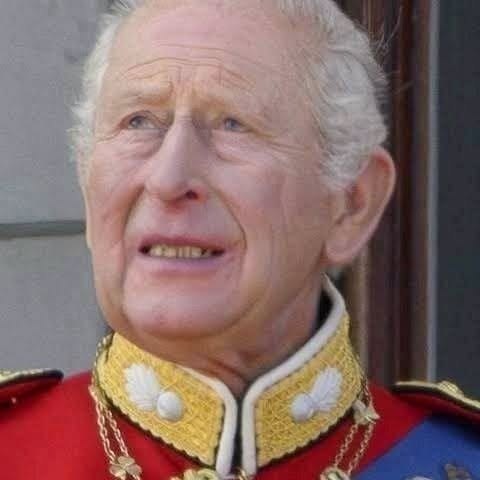
The case of King Charles III illustrates how public interest can amplify speculation. As the reigning monarch, his health and activities are naturally subjects of public attention. Any change in schedule, public appearance, or official engagement may prompt discussion. In many cases, perfectly routine developments are interpreted as signs of larger events, fueling further speculation online.
Historically, rumors surrounding royal figures are not new. Long before the internet existed, newspapers and magazines published stories about monarchs, princes, and princesses. Gossip, speculation, and public curiosity have accompanied royal life for generations. What has changed is the speed and scale at which information spreads. A rumor that once took days or weeks to circulate can now reach millions of people within hours.
This transformation presents challenges for both the public and the media. Readers must navigate an overwhelming volume of information while determining which sources are trustworthy. Journalists must compete for attention in a crowded media landscape while maintaining standards of accuracy and fairness. Meanwhile, institutions such as Buckingham Palace must communicate effectively in an environment where misinformation can spread rapidly.
