
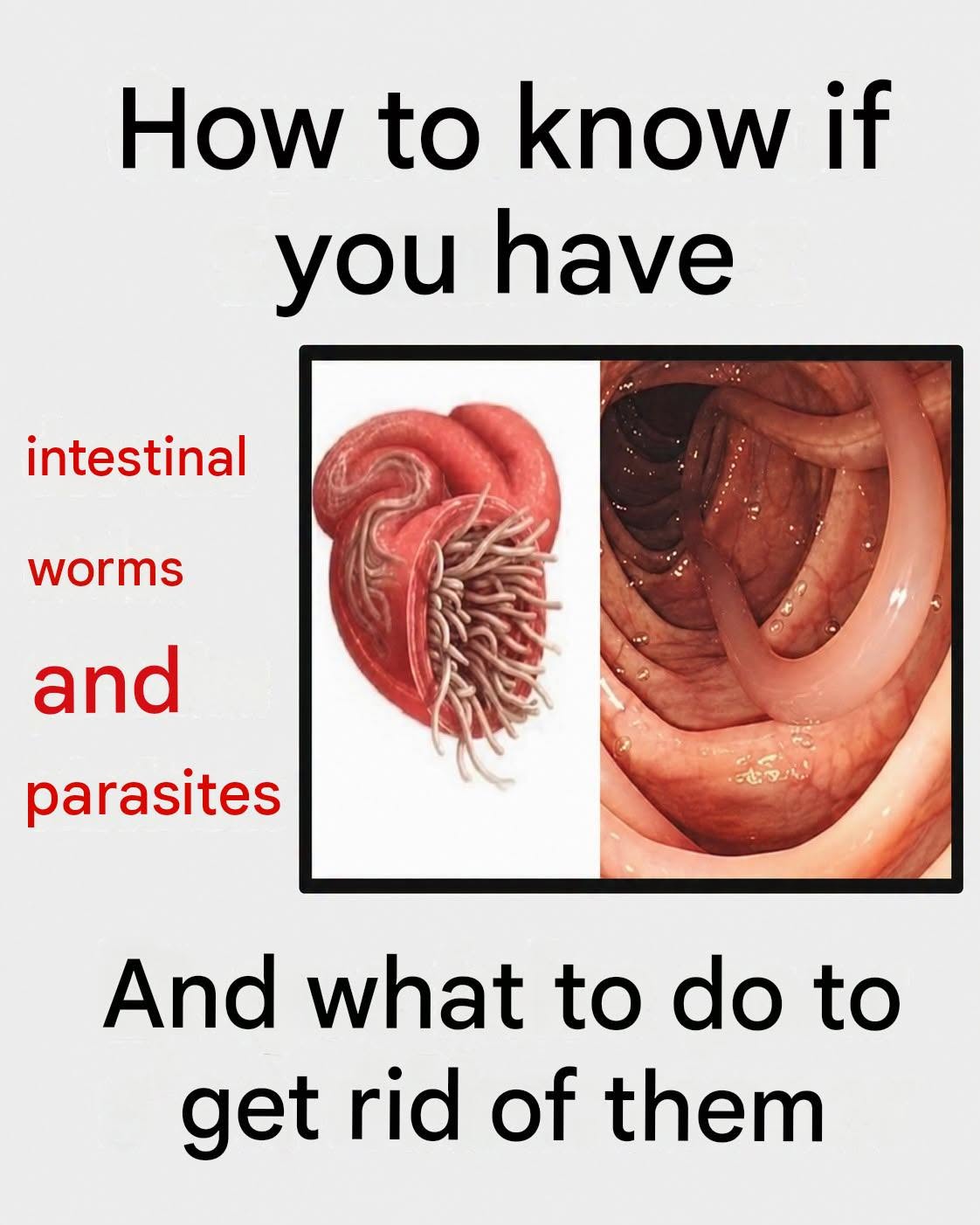
There’s a common misconception that intestinal parasites only exist in developing countries. While they are indeed more prevalent there, they are far more common in developed countries than one might think. It’s not pleasant to know you’re hosting a colony of intestinal parasites, but you’re not alone. According to the World Health Organization , more than 3 billion people suffer from some type of intestinal parasite, and not all of them live in developing or impoverished countries.
What are intestinal parasites?Health
Parasites in general are classified into several groups, but the two main types of intestinal parasites are helminths and protozoa. Helminths are worms with many cells that cannot multiply in the human body, such as tapeworms, pinworms, and roundworms. Protozoa, on the other hand, have only one cell and can multiply inside the human body, potentially causing serious infections.
How do you catch intestinal parasites?
Intestinal parasites are usually transmitted when a person comes into contact with infected feces (for example, through contaminated soil, food, or water). Other things that can increase your risk of contracting intestinal parasites include visiting an area known to have parasites, poor hygiene and sanitation (for food and water), having a weakened immune system, handling animals , and age (children and the elderly are more susceptible to infection). Once you are infected with parasites, they are contagious and can be easily transmitted to others.
Why are intestinal parasites dangerous?
