
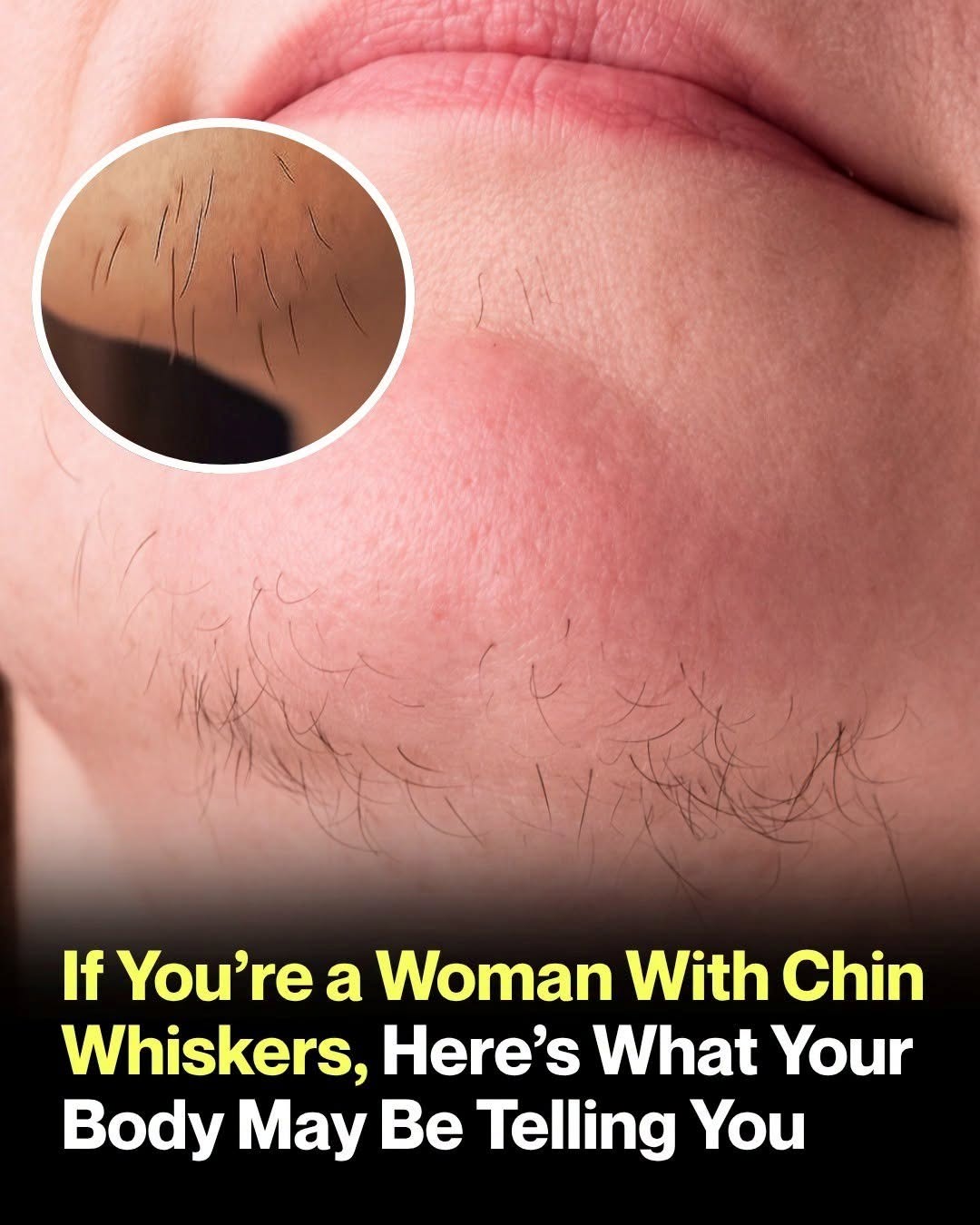
Longer-lasting approaches include laser hair removal and electrolysis.
Laser treatment works by targeting pigment in the hair and generally works best on darker hairs. Multiple sessions are usually necessary, and facial hair in women may require ongoing maintenance.
Electrolysis treats individual follicles and can work on light-colored hairs that lasers do not target effectively. The American Academy of Dermatology notes that multiple treatments are required because hair grows in cycles.
For significant hirsutism related to androgen activity, treating the underlying hormonal problem may also reduce new hair growth.
Doctors may use hormonal medications in appropriate patients, but treatment depends on factors such as age, medical history, pregnancy plans and the underlying cause. The Endocrine Society recommends that medication choices for hirsutism be individualized and notes that some anti-androgen medicines require reliable contraception because of pregnancy-related risks.
These medications should never be started simply based on something you read online.

When Should You Talk To A Doctor?
Consider speaking with a healthcare professional if:
- Facial or body hair is rapidly becoming thicker or more widespread.
- You develop significant hair growth over only a few months.
- Your periods become irregular or disappear unexpectedly.
- You have troublesome acne together with increasing facial hair.
- You notice scalp hair loss along with new facial hair.
- Your voice becomes noticeably deeper.
- You develop other unusual physical changes.
- The hair growth is causing significant emotional distress.
- You simply want to understand why it is happening.
You do not need to wait until symptoms become severe to ask questions.
And cosmetic concerns are valid concerns, too. If facial hair affects your confidence or quality of life, a dermatologist, gynecologist or endocrinologist may be able to help.
The Bottom Line
So, what does it mean if you’re a woman with chin whiskers?
Sometimes, very little.
A few stray chin hairs may be a perfectly normal result of genetics, aging, menopause-related hormonal changes or the natural sensitivity of your hair follicles.
More extensive coarse facial hair — particularly when accompanied by irregular periods, acne or other hormonal symptoms — may represent hirsutism and can sometimes be associated with conditions such as PCOS.
And sudden, rapidly progressing hair growth deserves medical attention, especially if it occurs together with a deeper voice, scalp hair loss or other significant physical changes.
The most important thing to remember is this:
Chin hair is a symptom, not a diagnosis.
One whisker cannot tell you your testosterone level. It cannot diagnose PCOS. And it certainly does not mean something is automatically wrong with your body.
Instead of panicking over what appears in the mirror, pay attention to the bigger picture — how much hair is growing, how quickly it changed, and whether anything else in your body has changed along with it.
Sometimes that stubborn chin hair is simply a stubborn chin hair.
And sometimes, it is your body giving you a small clue worth discussing with your doctor.
Medical note: This article is intended for general educational purposes and is not a substitute for professional medical diagnosis or treatment. If you have sudden or significant changes in facial or body hair, menstrual changes, or other concerning symptoms, consult a qualified healthcare professional.
