
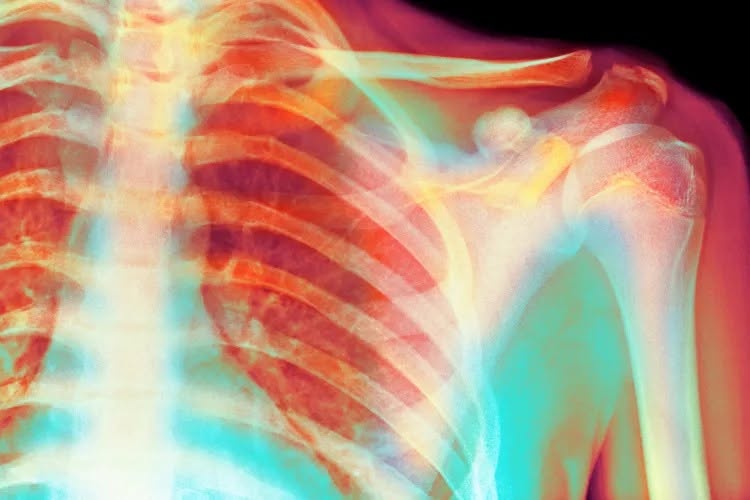
According to Rachel Pessah-Pollack, MD, an endocrinologist at NYU Langone, women reach peak bone mass by their late 20s. Some people with osteoporosis risk factors, such as a family history of the disease or low body mass index, may begin losing density around that time. But for most women, bone density remains stable until late perimenopause, the transitional period before menopause that typically hits in the mid-40s.
At that time, bone density begins to drop rapidly, largely because of falling estrogen levels, Pessah-Pollack explained. Bone loss accelerates most sharply one to two years after the final menstrual period, typically between the ages of 45 and 55, and then continues at a slower rate.2
Other factors can contribute to bone loss throughout life, according to Deborah Sellmeyer, MD, a clinical professor of medicine at Stanford University who specializes in metabolic bone disease. These factors include medications such as steroids, poor nutrition, malabsorption, and age-related changes like altered calcium and vitamin D metabolism, muscle loss, and declining kidney function.
How Do DEXA Scans Work?
DEXA, short for dual-energy X-ray absorptiometry, is a quick, painless scan that uses low-dose X-rays to measure bone density. It works by assessing the amount of calcium and other minerals in bones—typically in the spine and hip, and sometimes in the forearm if either of those sites is not usable—and translating that information into a score, Sellmeyer explained.
