


5
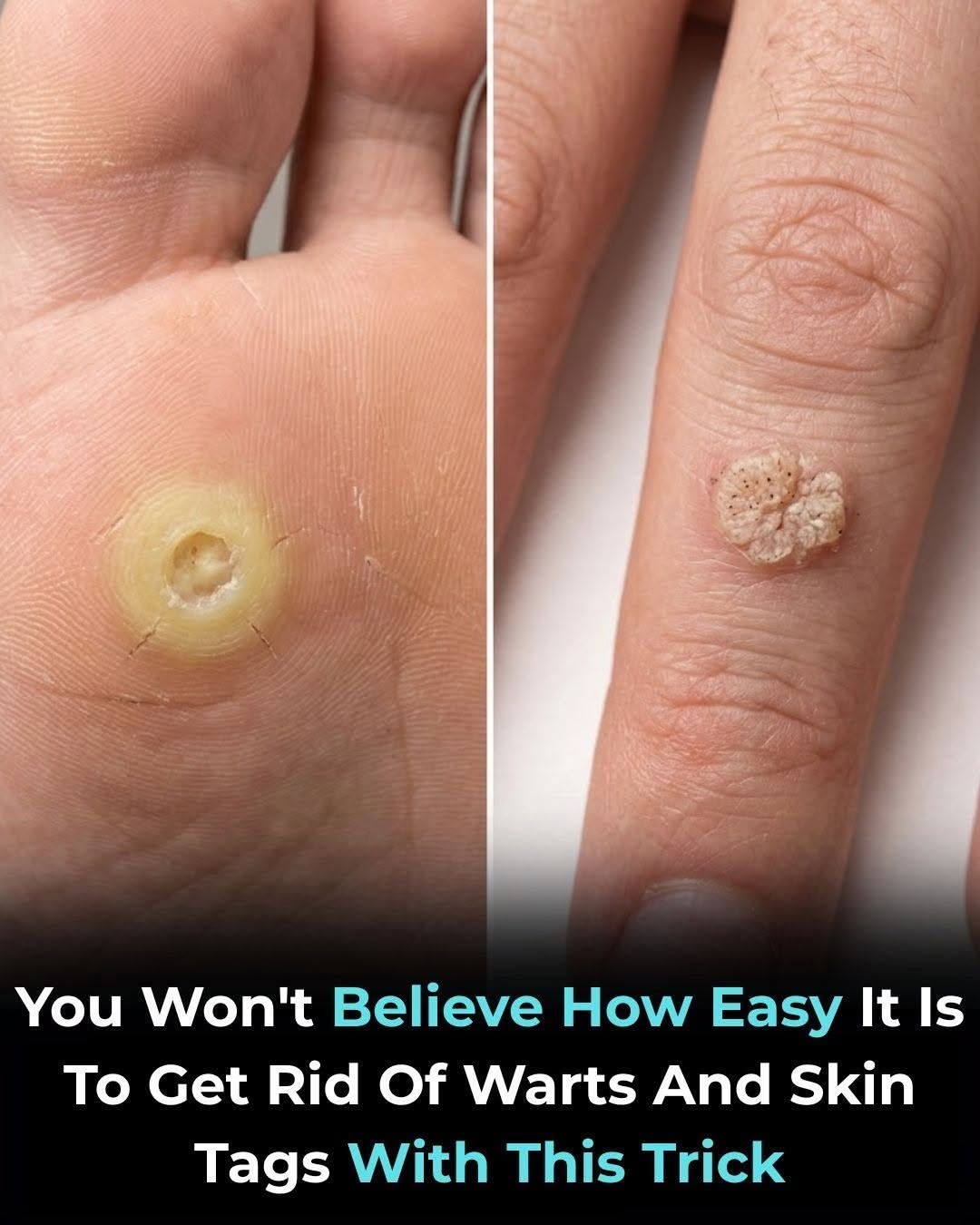
For most common warts, salicylic acid remains one of the most effective first-line treatments. Applied consistently over several weeks, it gradually softens and removes infected skin. Another widely used option is cryotherapy, in which a healthcare professional freezes the wart using liquid nitrogen. Some stubborn warts may require several treatment sessions before disappearing completely.
Skin tags usually do not require treatment unless they become irritated, bleed, or cause cosmetic concerns. Doctors can safely remove them by freezing, snipping them with sterile instruments, or using electrocautery. These procedures are quick, produce minimal discomfort, and significantly reduce the risk of complications.
