
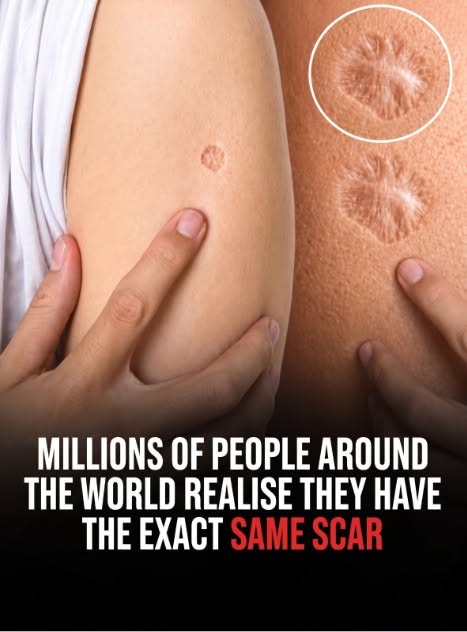
Typically, the resulting scar is small, circular, and slightly depressed below the surface of the surrounding skin. While it is generally harmless, some individuals may experience occasional itching or a sensation of tightness in the area. The healing process varies significantly from person to person based on individual genetics. In some cases, the body produces an excessive amount of scar tissue during the healing phase, leading to the development of thicker, raised scars known as keloids. This variation highlights the diverse ways the human body responds to intentional medical interventions.
In the vast majority of cases, a smallpox vaccination scar poses no health risks and requires no medical intervention. However, for those who wish to minimize its appearance for cosmetic reasons, several approaches are available. The most fundamental step is protecting the area from sun exposure, as ultraviolet rays can cause the scar tissue to darken permanently. Topical treatments, including moisturizing ointments like aloe vera, cocoa butter, or specific plant extracts, are often used, though their effectiveness varies widely among individuals. For more pronounced results, medical professionals may offer procedures such as dermabrasion, surgical revision, or skin grafting. In instances where keloids have formed, specialized treatments like silicone dressings or medicated gels can help flatten and reduce the size of the raised tissue, though outcomes are never entirely predictable.
