
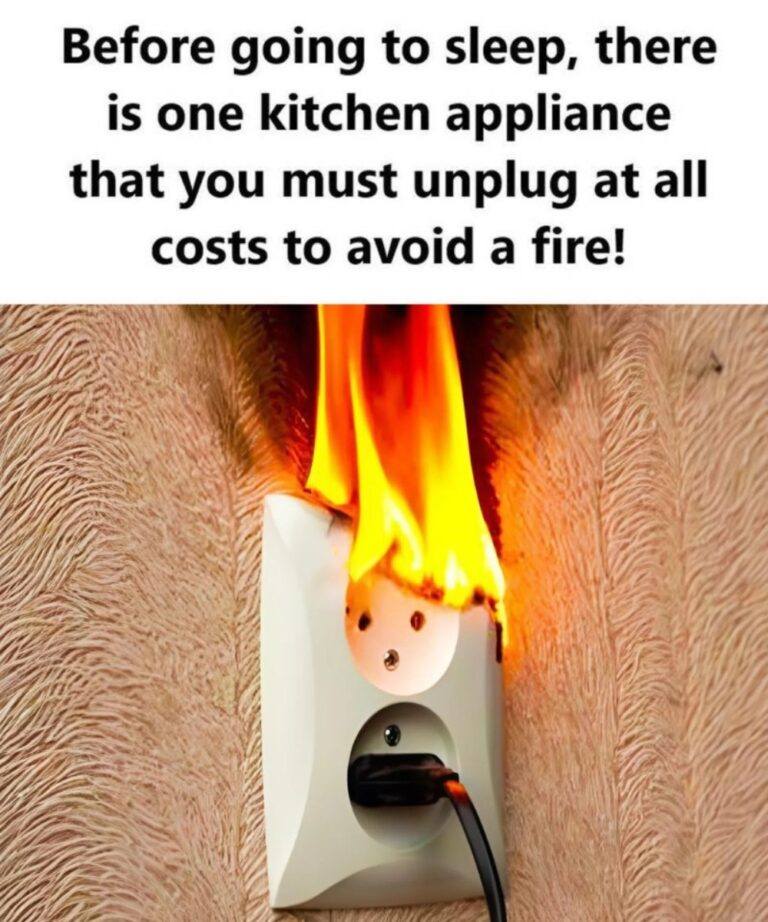
Inside a toaster are thin metal heating elements that blaze red-hot within seconds of use. Crumbs fall from bread and build up at the bottom over time, creating a compact layer of dry, flammable debris sitting right next to those glowing elements. Most toasters have a simple mechanical system — once the bread pops up, power to the elements should stop. But that doesn't mean the appliance becomes harmless the moment the toast is done, especially if it stays plugged in around the clock. A weary spring can jam, a button can stick, or a fault in the wiring can cause a heating element to stay partially active without you ever knowing.
The "Phantom Power" Problem
Even when turned off, many kitchen appliances continue to draw what's known as "phantom power" or standby electricity. This constant trickle of power increases the risk of electrical malfunction over time if the appliance is left continuously plugged in. Beyond the fire risk, this phantom load also adds up on your energy bill — devices left plugged in and unused can account for up to 10% of the average household's electricity bill each year.
