
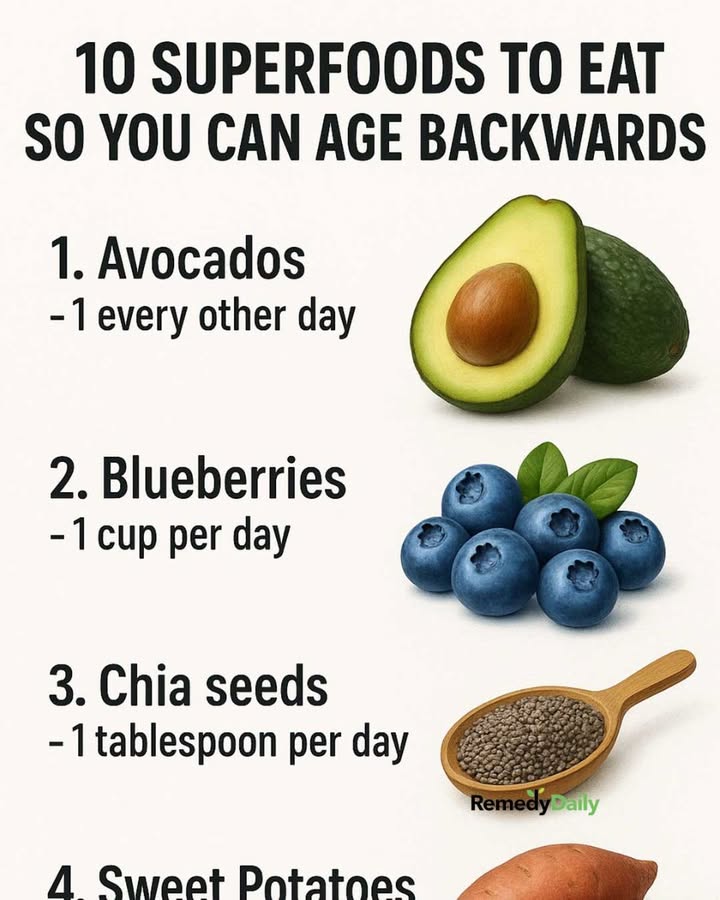
8. Sweet Potatoes — Beta-Carotene for Skin Renewal
Sweet potatoes are an exceptionally rich source of beta-carotene, the orange pigment that the body converts to vitamin A as needed. Vitamin A is essential for skin cell turnover and renewal — the process by which older, damaged skin cells are replaced by newer, healthier ones — and adequate beta-carotene intake supports this process from the inside. Beta-carotene also functions as an antioxidant in its own right, protecting skin cells from UV-related oxidative damage. Sweet potatoes are also high in fiber, potassium, and vitamin C, making them a genuinely nutrient-dense food choice for overall healthy aging. Eating them every other day or several times per week provides consistent benefit.
9. Olive Oil — The Mediterranean Longevity Food
Extra virgin olive oil is the cornerstone of the Mediterranean diet, which has more research behind its longevity-promoting effects than virtually any other dietary pattern. Olive oil is rich in monounsaturated fats, polyphenols, and an anti-inflammatory compound called oleocanthal, which functions similarly to ibuprofen in reducing inflammation. Research has shown that regular extra virgin olive oil consumption reduces markers of inflammation, protects skin elasticity, lowers the risk of cardiovascular disease, and may help protect cognitive function as we age. Even half a tablespoon daily has been associated with measurable cardiovascular benefit. Use it as a salad dressing, drizzle it on vegetables, or use it in cooking in place of butter and processed oils.
10. Chia Seeds — Omega-3s, Fiber, and Cellular Protection
Chia seeds deliver a remarkable nutritional profile for their size: they are one of the best plant-based sources of omega-3 fatty acids (in the form of ALA), provide substantial fiber for digestive health and sustained energy, and contain antioxidants that protect cells from oxidative damage. The fiber in chia seeds also feeds beneficial gut bacteria, which is increasingly recognized as important for immune function, inflammation management, and even mood regulation — all of which have implications for how well the body ages. One to two tablespoons daily, stirred into yogurt, smoothies, oatmeal, or water, is sufficient to deliver consistent benefit. They are also among the most practical superfoods to incorporate — tasteless enough to add to almost anything.
The Bigger Picture
No single food reverses aging, and no list of superfoods substitutes for an overall dietary pattern that prioritizes vegetables, whole grains, quality proteins, and healthy fats while minimizing ultra-processed foods, refined sugars, and excess alcohol. The foods above are best understood as additions to a generally healthy diet rather than corrections for a poor one. The research is clear on this: it is the pattern of eating over years and decades, not the occasional superfood, that has the most meaningful impact on how you age. Adding several of these foods consistently to a diet already built around whole, minimally processed ingredients is where the evidence suggests the real benefit lies.
