
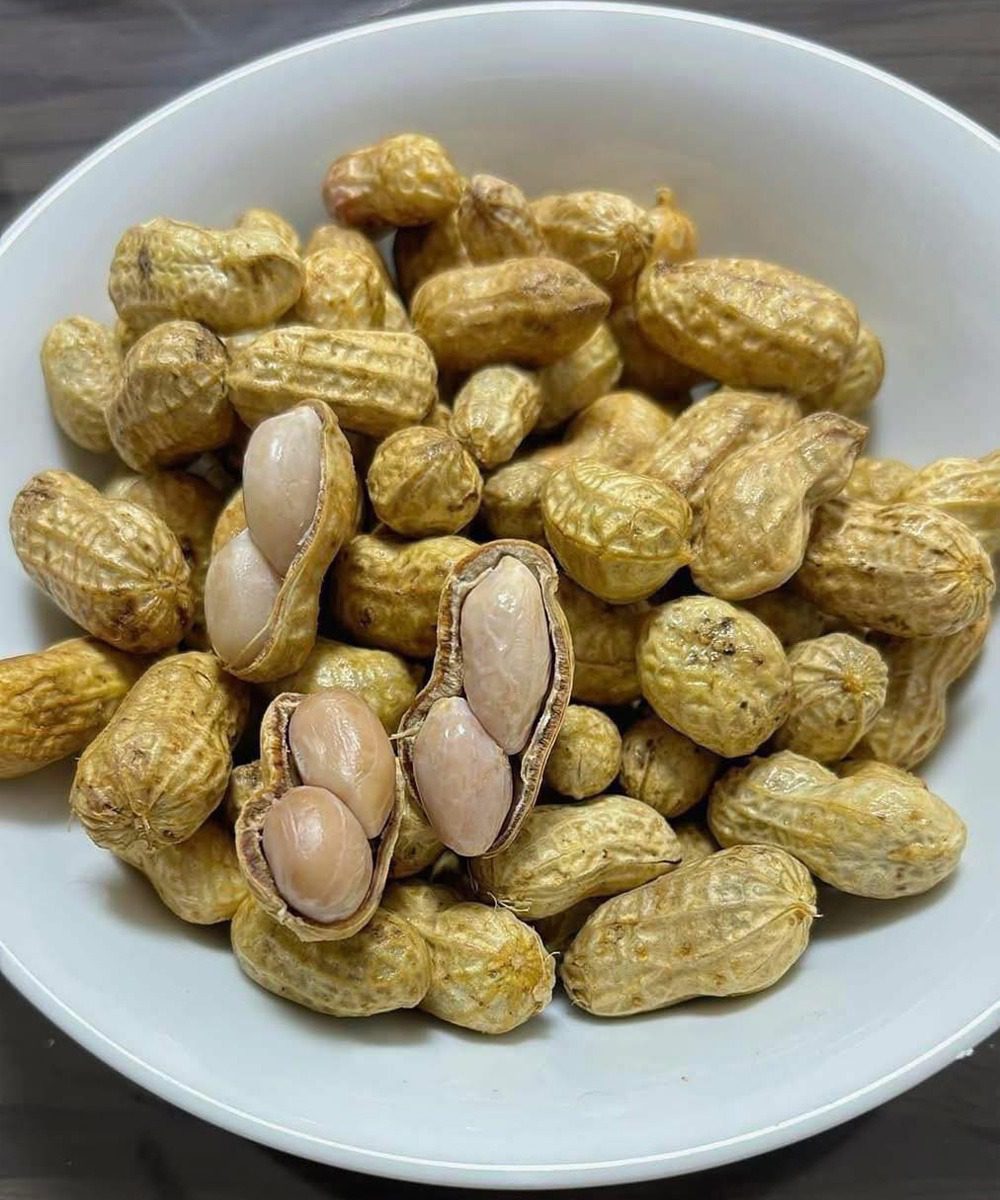
Few foods have been as consistently misrepresented as the peanut. Headlines alternate between celebrating it as a superfood and warning against it as a calorie-dense indulgence that will wreck your health — and the people reading those headlines are left genuinely uncertain about something as simple as whether they can eat a handful of peanuts as a snack without guilt. The good news is that the scientific consensus on peanuts is considerably clearer and more favorable than clickbait headlines would suggest. When doctors and nutrition researchers look at the actual evidence from large population studies and clinical trials, a consistent picture emerges: for most people, eating peanuts regularly — in appropriate portions and in minimally processed forms — produces meaningful, measurable health benefits across multiple organ systems. Here is what the research actually shows about what happens to your body when you make peanuts a regular part of your diet.
Peanuts are technically legumes rather than true nuts — they belong to the same plant family as green peas, soybeans, and lentils, and they grow underground as the fruit of the peanut plant rather than on trees. But from a nutritional standpoint, they behave very similarly to tree nuts and share most of their health-relevant properties. A one-ounce serving of raw peanuts — approximately 28 grams, or about 35 peanuts — provides 7 grams of protein, 14 grams of fat (predominantly heart-healthy monounsaturated and polyunsaturated fats), 2 grams of fiber, and meaningful amounts of niacin, vitamin E, magnesium, zinc, iron, potassium, and folate. They are also a rich source of bioactive compounds including resveratrol — the same antioxidant found in red wine — along with p-coumaric acid, flavonoids, and phytosterols. This nutritional profile is the foundation of the health effects described below.
1. Your Heart Health Improves
The most well-documented health effect of regular peanut consumption is cardiovascular benefit, and the evidence here is both consistent and substantial. Peanuts are high in monounsaturated and polyunsaturated fatty acids — the same types of fats found in olive oil — which lower LDL cholesterol (the "bad" kind that contributes to arterial plaque) while raising HDL cholesterol (the "good" kind that helps remove excess cholesterol from the bloodstream). Research has shown that peanut consumption is associated with decreased triglycerides, improved cholesterol ratios, and reduced arterial inflammation — all of which translate into a meaningfully lower risk of cardiovascular disease and stroke over time.
