
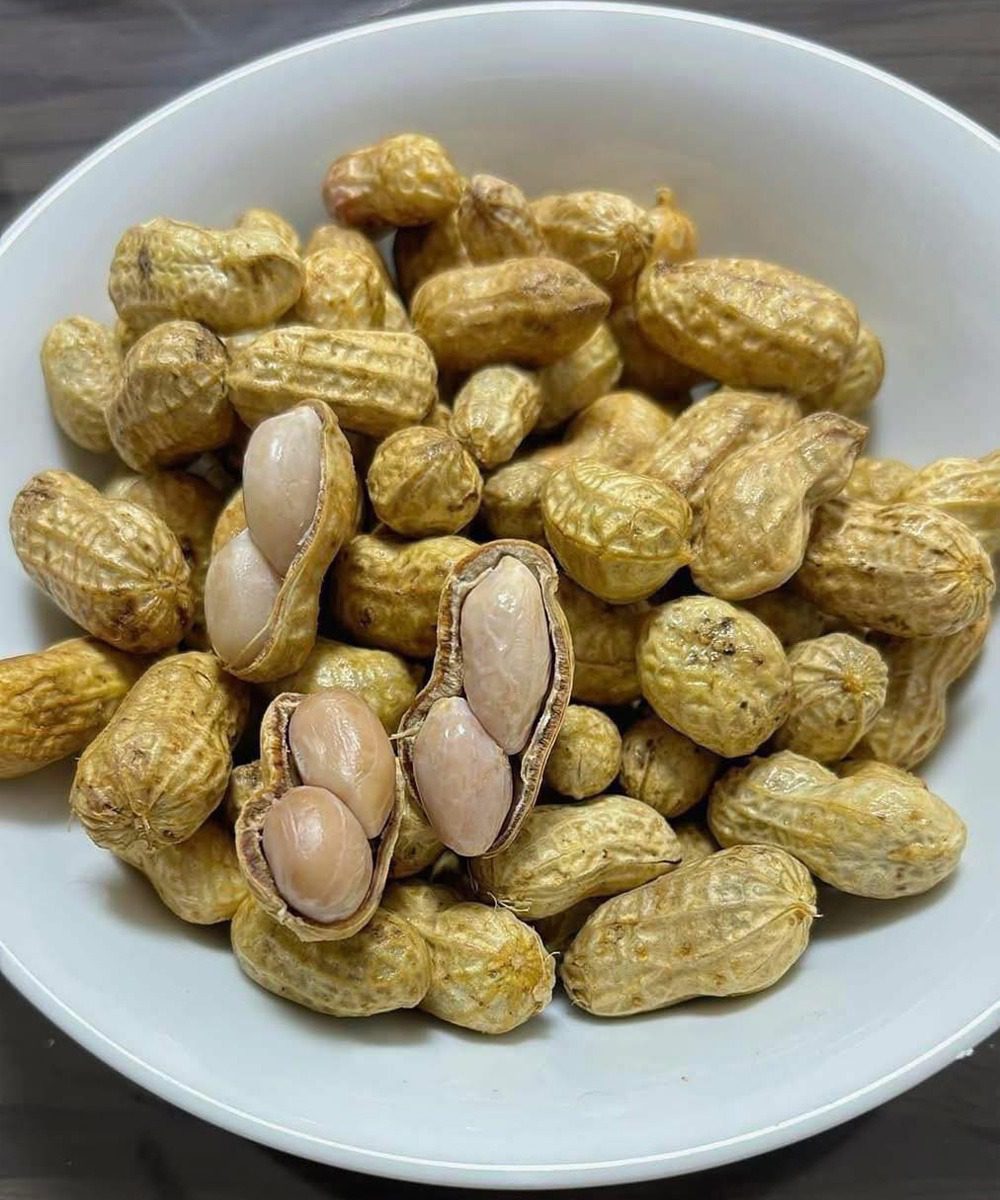
A large population study that followed participants over many years found that those with the highest peanut intake had a 20 percent reduction in overall mortality and more than 30 percent reduction in death from heart disease compared to non-peanut eaters. A systematic review of 20 studies found that consuming approximately one ounce of peanuts was associated with decreased stroke risk. These findings have been replicated across diverse populations in both the United States and Asia, suggesting the cardiovascular benefit is real rather than a statistical artifact of a particular population's lifestyle. The U.S. Food and Drug Administration has recognized this evidence sufficiently to allow peanuts to carry a qualified health claim stating that eating 1.5 ounces per day of most nuts, including peanuts, as part of a diet low in saturated fat and cholesterol, may reduce the risk of heart disease.
2. You Feel Fuller Longer and Manage Weight More Effectively
Despite being energy-dense — approximately 160 calories per one-ounce serving — peanuts have a consistent and well-documented track record as a weight management tool rather than a weight gain food. The combination of protein, fiber, and slowly digested healthy fats makes peanuts extraordinarily satiating: they reduce appetite significantly for several hours after eating them, which tends to reduce total calorie intake throughout the day even when the peanuts themselves are accounted for. Multiple studies have found that including peanuts in a diet does not lead to weight gain and may actually support weight loss.
A Harvard-supervised weight loss trial compared participants on a calorie-controlled diet that included peanut butter against participants on a calorie-controlled low-fat diet. Not only did the peanut group achieve similar weight loss, they reported less hunger throughout the study and were considerably more likely to still be following the diet at 18 months — an adherence advantage that matters enormously in real-world weight management. The key insight from this and similar research is that the satiety peanuts provide tends to compensate for their caloric density, making them a net positive for appetite control when eaten in reasonable portions rather than directly from a large bag.
