
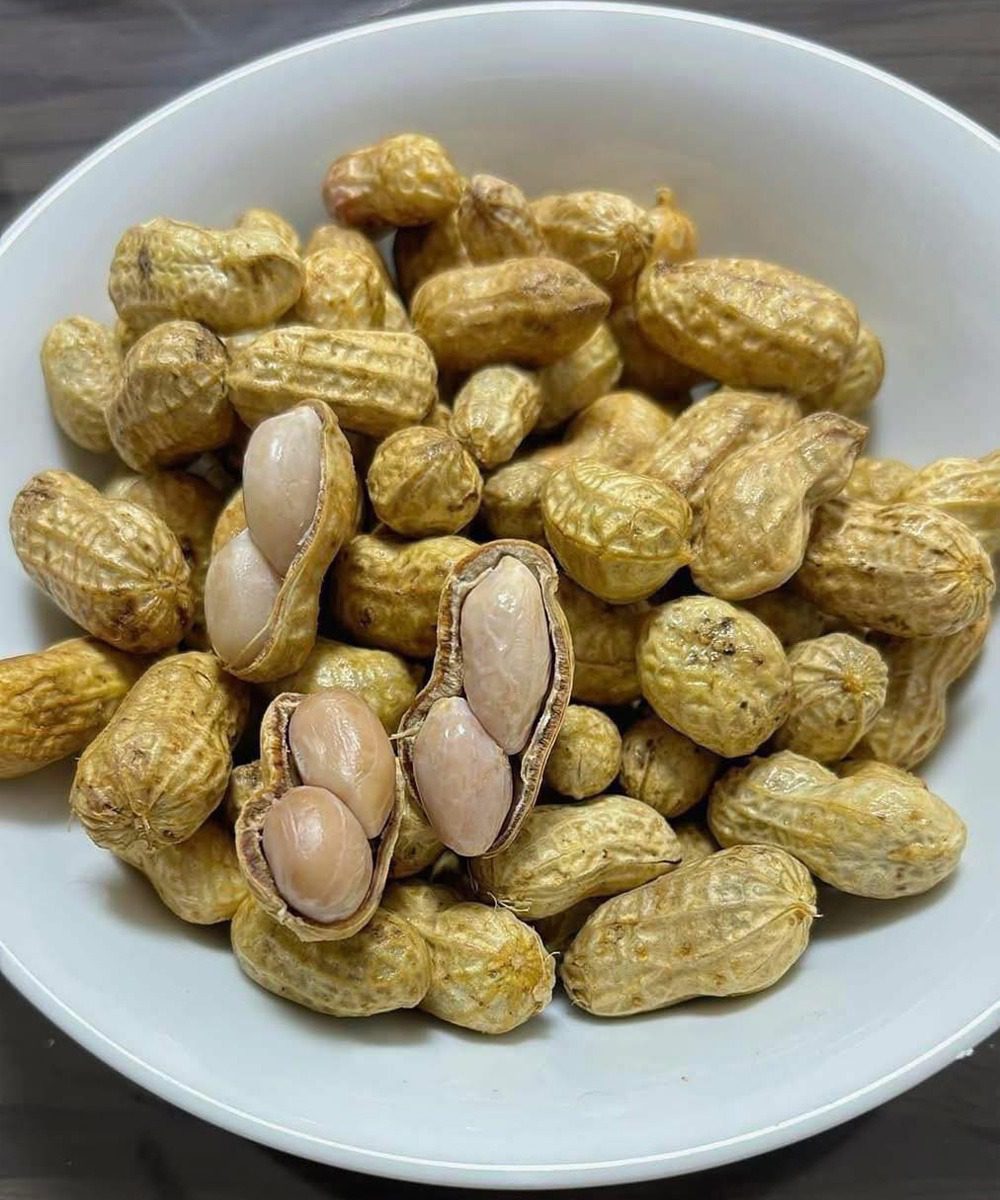
Peanuts are among the most protein-dense plant foods available, with approximately 25 grams of protein per 100 grams by weight — roughly 25 percent protein by weight, making them second only to almonds among nuts. This protein content makes peanuts a particularly valuable food for vegetarians and vegans who need to meet protein requirements from plant sources, and for anyone seeking to increase protein intake for muscle maintenance, athletic performance, or appetite control. The amino acid profile of peanut protein includes leucine, which plays a specific role in signaling muscle protein synthesis — the process by which muscle tissue is repaired and built following exercise. Peanuts also contain all 20 of the amino acids needed by the body, though they are not nutritionally complete in terms of essential amino acid ratios when eaten alone.
When to Be Cautious
The benefits described above apply to most people eating peanuts in reasonable amounts and minimally processed forms. There are important exceptions and considerations. Peanut allergy is the most serious concern — it is one of the most common food allergies and can trigger severe, potentially life-threatening anaphylaxis in affected individuals. Anyone with a peanut allergy must avoid peanuts entirely and carry emergency epinephrine. For people without allergy, the primary considerations are portion size and preparation. The recommended daily serving for health benefit is approximately 28 to 30 grams — roughly a small handful or 30 to 35 peanuts. Eating significantly more can contribute excess calories without proportional additional benefit.
The form in which peanuts are consumed matters significantly. Plain raw or dry-roasted peanuts without added salt, sugar, or oil represent the most healthful choice. Honey-roasted, chocolate-covered, or heavily salted varieties add sugars, saturated fats, and sodium that reduce or negate the health benefits. Commercial peanut butter with added sugars and partially hydrogenated oils is less beneficial than natural peanut butter containing only peanuts and salt. Storage matters as well — peanuts stored in humid or warm conditions can develop mold that produces aflatoxin, a harmful compound. Purchasing from reputable sources and storing in sealed containers away from heat reduces this risk substantially.
For people who monitor sodium intake due to high blood pressure or cardiovascular disease, choosing unsalted varieties is advisable. For people with digestive sensitivity, the high fiber and fat content of peanuts can occasionally cause bloating in large amounts. These are manageable considerations rather than reasons to avoid peanuts entirely — for the vast majority of people without allergy, a daily handful of minimally processed peanuts or a moderate serving of natural peanut butter represents one of the most affordable, accessible, and nutritionally complete foods available.
