
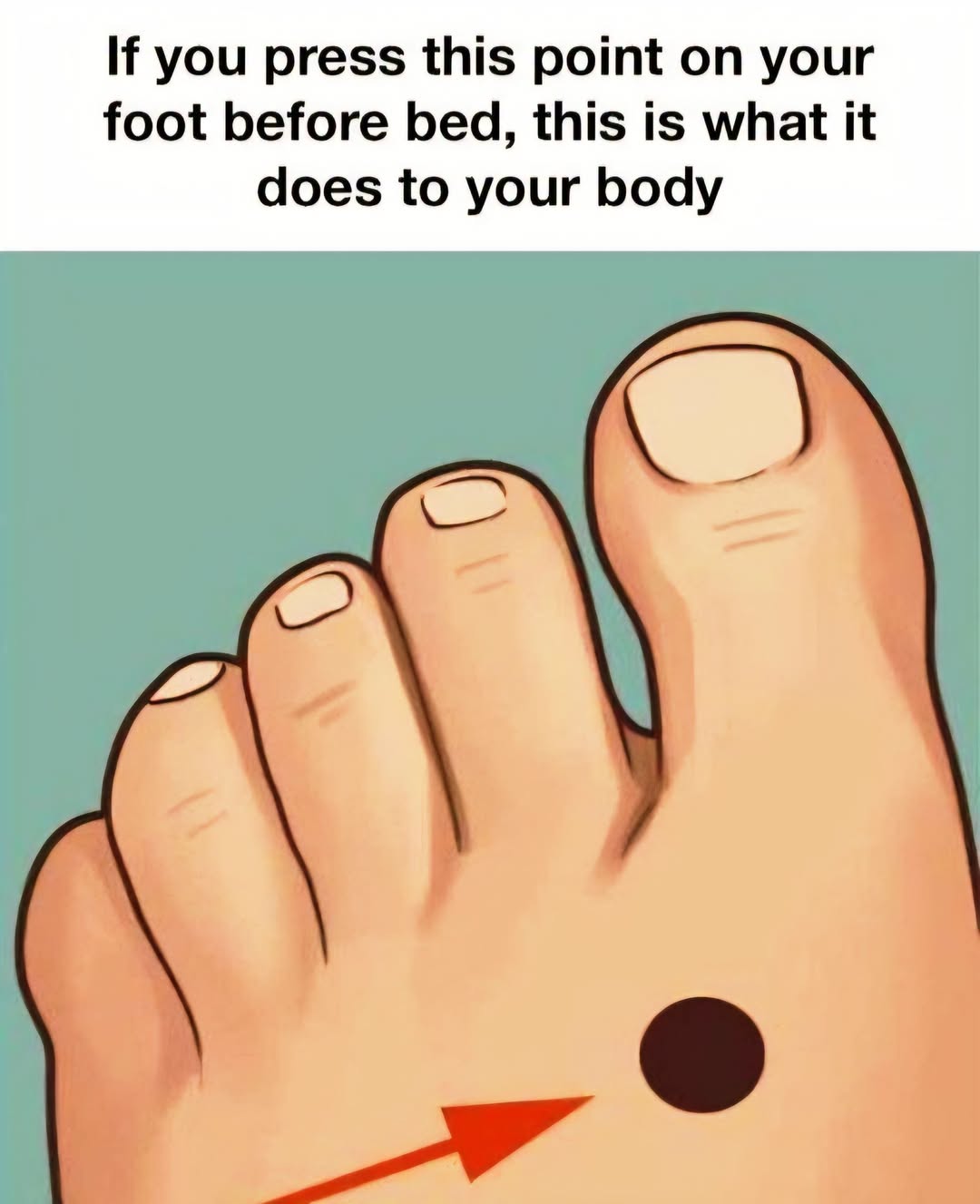
Your feet carry the full weight of your body through every waking hour, and yet they are among the least attended parts of the body in most people's daily routines. The consequence is predictable: foot pain, tension that radiates upward into the calves and lower back, and a general physical fatigue that makes the end of the day feel heavier than it should. A targeted foot massage — even a brief one — can interrupt this cycle in ways that are both immediately noticeable and, with consistent practice, cumulatively meaningful. Understanding which points on the foot to press and how to press them turns what might otherwise be random rubbing into a genuinely effective tool for pain relief and relaxation.
The practice of applying pressure to specific points on the feet — known as reflexology — is rooted in traditional Chinese medicine and has been practiced for centuries. Its central principle is that specific areas on the soles and sides of the feet correspond to specific organs and systems throughout the body, and that stimulating these points through sustained pressure can improve circulation, release tension, and promote healing in corresponding areas. Modern research has found that foot massage and reflexology consistently reduce pain, lower anxiety, improve sleep quality, and decrease cortisol levels, though researchers note that it remains difficult to isolate whether reflexology specifically provides additional benefits beyond those of a well-executed general foot massage. For practical purposes, both approaches — general relaxing massage and targeted pressure point work — produce real, measurable benefits worth pursuing.
Key Pressure Points on the Foot and What They Address
The Big Toe — Head, Brain, and Mental Clarity
The tip and center of the big toe correspond, in reflexology mapping, to the brain and pituitary gland. The big toe alone contains five distinct pressure points located at its base, tip, middle joint, and two intermediate positions. Applying gentle circular pressure to the tip of the big toe for 30 seconds on each foot is believed to relieve tension headaches, improve mental focus, and reduce the mental fog associated with stress and exhaustion. This point is particularly relevant for people who spend extended time looking at screens, whose neck and head muscles carry sustained tension throughout the day. Apply light but firm circular pressure with your thumb for 30 seconds, then move gradually down the toe applying the same pressure at each of the intermediate points.
The Ball of the Foot — Chest, Heart, and Lungs
The padded area just below the toes and above the arch — the ball of the foot — corresponds to the heart, chest, and lungs. Stimulating this zone is believed to support cardiovascular circulation and respiratory function, and physically, massaging the ball of the foot releases tension in the plantar fascia that connects to the tendons and muscles throughout the lower leg. Apply firm pressure with both thumbs across the ball of the foot, working from the inner edge toward the outer edge, using slow deliberate circles. Spending 60 to 90 seconds on this area typically produces noticeable relaxation throughout the foot and lower leg. For people who experience tightness in the chest related to stress or anxiety, sustained pressure on the ball of the foot has been observed to promote deeper breathing and a measurable reduction in tension.
