
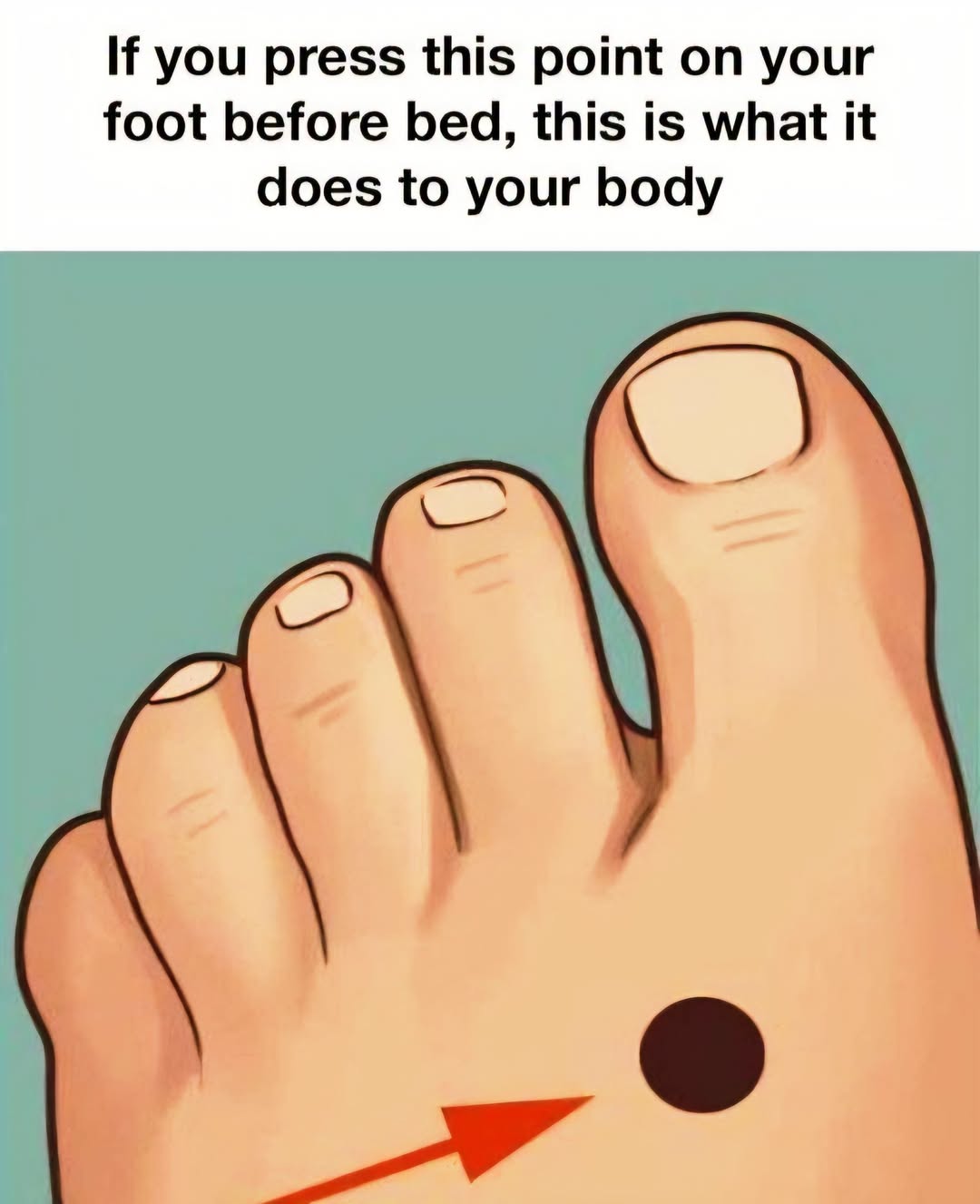
The Center of the Arch — Solar Plexus, Stress, and Digestion
The center of the arch of the foot houses the solar plexus pressure point — arguably the most important single point in reflexology for managing stress and anxiety. This point corresponds to the solar plexus nerve network in the body, which governs the fight-or-flight stress response. Applying steady, sustained pressure to the center of the arch — directly in the deepest part of the curved area — activates the parasympathetic nervous system's relaxation response. Many people experience an almost immediate sense of calming when this point is held with firm but gentle pressure for 30 to 60 seconds per foot. The surrounding arch area also corresponds to the stomach, liver, and pancreas, making massage of the full arch beneficial for digestive comfort. Use your thumb to apply steady pressure in slow circular motions across the arch, working from the inner edge outward, particularly after meals or during periods of digestive discomfort.
The Inner Edge of the Foot — Spine and Kidneys
The long inner edge of the foot, running from the base of the big toe down to the heel, corresponds to the spine. The curvature of this edge mirrors the curvature of the spine itself — a fact that reflexologists point to as evidence of the mapping's anatomical logic. Running your thumb firmly along this inner edge from the toe toward the heel covers reflexology points for the cervical, thoracic, and lumbar spine in sequence. People who experience chronic lower back pain or prolonged sitting-related spinal tension often report significant relief from consistent massage along this edge. Apply firm, slow pressure with your thumb, working in small increments from the base of the big toe down to the heel, spending extra time on any spots that feel particularly tender or tight, which may indicate corresponding tension elsewhere in the spine.
The Heel — Lower Back, Hips, and Sciatic Nerve
The heel corresponds to the lower back, hips, pelvic region, and sciatic nerve. For anyone who experiences sciatic pain — the sharp, radiating pain that runs from the lower back through the buttock and down the leg — massaging the heel can provide meaningful relief. The heel also stores tension related to prolonged standing or sitting, making it one of the most consistently tender pressure points in people who work physically demanding jobs or desk jobs alike. Use both thumbs to apply firm circular pressure across the entire surface of the heel, paying particular attention to the base where the heel meets the floor during standing. Spending 90 seconds on each heel, with focused attention on any particularly tender spots, can produce relief that is felt as high as the lower back.
