
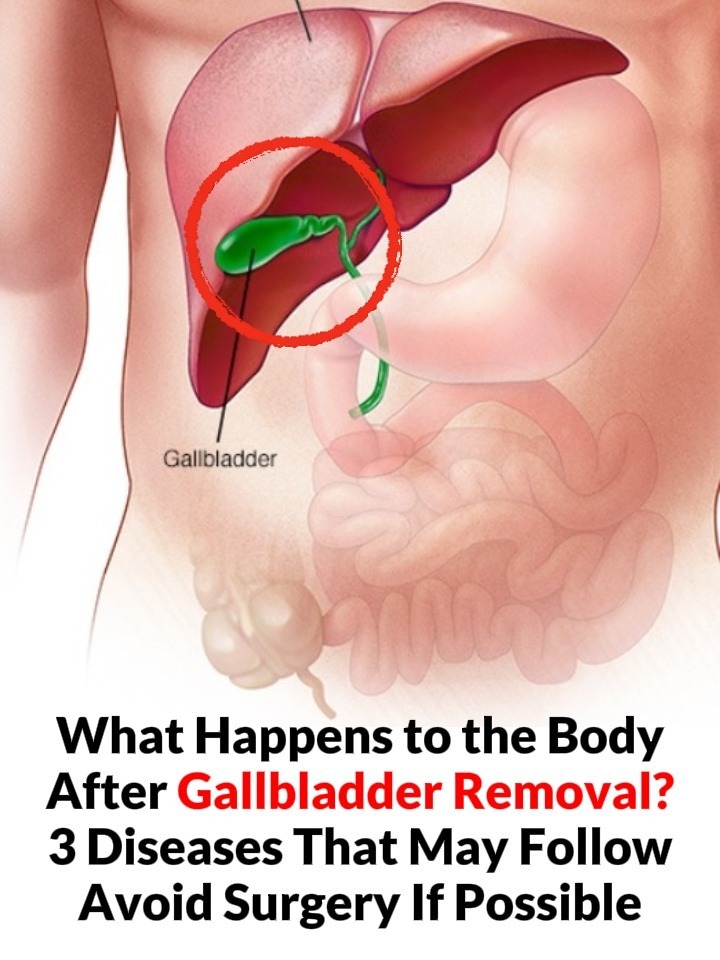
The gallbladder plays a role in cholesterol regulation within bile, and its removal can influence cholesterol levels in some patients. Without the gallbladder's concentrating function, cholesterol balance within the biliary system changes, and some people experience elevated cholesterol levels after surgery. This is not universal, but it is a reason why regular cholesterol monitoring and maintaining heart-healthy dietary habits are particularly worth prioritizing after a cholecystectomy. Colon health is another area that some research has flagged for attention — the continuous flow of bile can potentially irritate the intestinal lining over time, and some studies have suggested a modestly elevated risk of certain colon-related issues in people without a gallbladder. Regular screenings and check-ups with a healthcare provider are a sensible precaution.
Weight Changes After Surgery
An unexpected change that some patients experience after gallbladder removal is weight gain. Surgeons who work with post-cholecystectomy patients note that when people realize they can eat pain-free again — after often months or years of restricted eating due to gallbladder-related discomfort — there is a tendency to overeat. Some patients gain ten to fifteen pounds within three to six months of surgery simply because they are eating more freely than they had been while symptomatic. This weight gain is not a metabolic consequence of losing the gallbladder itself, but rather a behavioral consequence of the relief surgery provides. Maintaining awareness of portion sizes and dietary quality during the recovery period helps prevent this common pattern.
What to Eat — Practical Guidance for Recovery
The dietary principles that best support recovery and long-term digestive health after gallbladder removal are straightforward. Smaller, more frequent meals are consistently recommended over large meals, because each meal requires available bile for fat digestion and smaller portions make better use of the continuous supply. Fat intake should be distributed across meals rather than concentrated in one large, high-fat meal. Lean proteins, whole grains, cooked vegetables, and fruit are the most reliable foundation foods. High-fiber foods are generally beneficial for long-term digestive health but should be introduced gradually in the immediate post-surgery period, as they can contribute to gas and bloating before the gut has fully adjusted.
Staying well hydrated supports digestive function throughout recovery. Some patients find that probiotics help during the adjustment period by supporting a healthy gut microbiome, which plays a role in bile acid metabolism. Digestive enzyme supplements are another option some patients explore, though these should be discussed with a healthcare provider before starting. Foods to approach cautiously — particularly in the first few months — include fried foods, high-fat dairy, fatty meats, heavily spiced dishes, and large portions of any meal. Most people find that over time they can gradually reintroduce most foods by listening to their body's responses and adjusting accordingly.
The Long-Term Outlook
For the majority of people who undergo gallbladder removal, the long-term outlook is excellent. Within three to six months, most patients can eat a normal, varied diet without significant restrictions and experience the substantial relief from pain and discomfort that motivated the surgery in the first place. The body's capacity to adapt to the absence of the gallbladder — primarily through adjustments in how the liver regulates bile production and flow — means that most people eventually reach a comfortable equilibrium. Regular exercise supports digestive health throughout recovery and beyond. Staying hydrated, eating balanced meals, and monitoring for persistent symptoms that warrant medical evaluation are the key ongoing responsibilities for anyone living without a gallbladder.
