
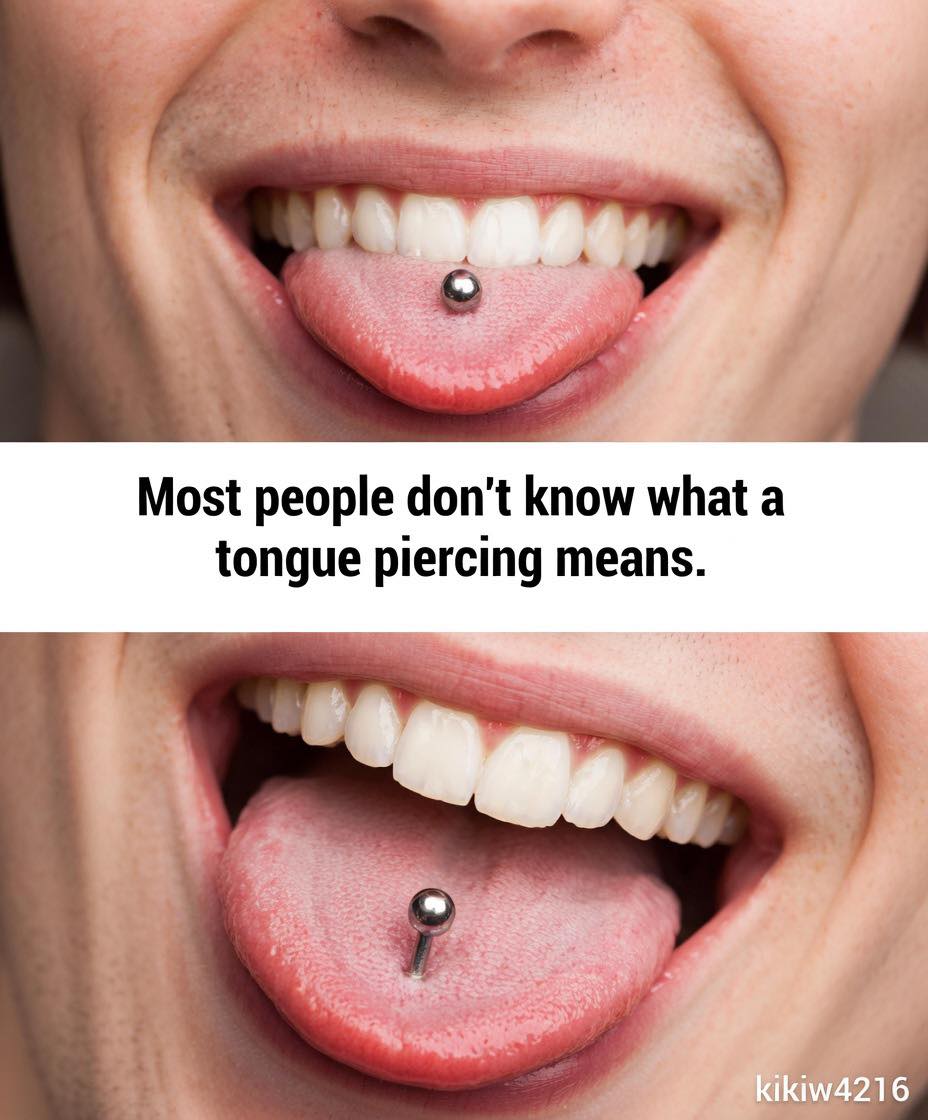
Tongue piercings have become one of the most popular and visually striking forms of body modification in contemporary culture, yet surprisingly few people truly understand the deeper meanings behind this seemingly simple act of self-expression. While many view a tongue piercing as nothing more than a trendy accessory or a rebellious fashion statement, the reality is far more nuanced and multifaceted. For centuries, various cultures have practiced body piercing for spiritual, ritualistic, and social reasons, and the tongue piercing carries its own unique symbolism that extends well beyond aesthetics. In modern Western society, getting a tongue piercing often represents a declaration of individuality, a willingness to embrace pain for beauty, and sometimes a subtle signal of sexual openness. The piercing itself, typically a straight barbell through the center of the tongue, can serve as a constant personal reminder of one’s courage and commitment to standing out from the crowd. However, the true meaning of a tongue piercing varies dramatically depending on the wearer’s personal story, cultural background, and the specific context in which it is displayed. Some people choose it purely for the aesthetic appeal and the way it catches the light when they speak or smile, while others see it as a profound marker of transformation or a rite of passage into a more confident version of themselves.
Beyond the surface-level visual impact, tongue piercings have long been associated with themes of sensuality, speech, and personal power. The tongue is one of the most sensitive and expressive parts of the human body, responsible for both taste and communication, making a piercing there symbolically potent. In many subcultures, particularly within alternative, punk, goth, and BDSM communities, a tongue piercing is often interpreted as a sign of sexual adventurousness and openness to new experiences. The metal barbell can enhance certain intimate activities, which has contributed to its reputation as a “naughty” or erotic piercing. This association has led to the common joke or meme that “most people don’t know what a tongue piercing means,” implying a hidden sexual connotation that only those in the know would recognize. Yet this stereotype only scratches the surface. For many wearers, the piercing is far more about reclaiming bodily autonomy, challenging societal norms about “professional” appearance, or simply enjoying the unique sensation of metal against soft tissue. Psychologically, the decision to get a tongue piercing can represent a breakthrough moment where someone decides to stop caring about external judgment and starts prioritizing their own desires and self-image. The healing process, which typically takes several weeks and requires careful aftercare, further reinforces lessons about patience, discipline, and listening to one’s body.
