
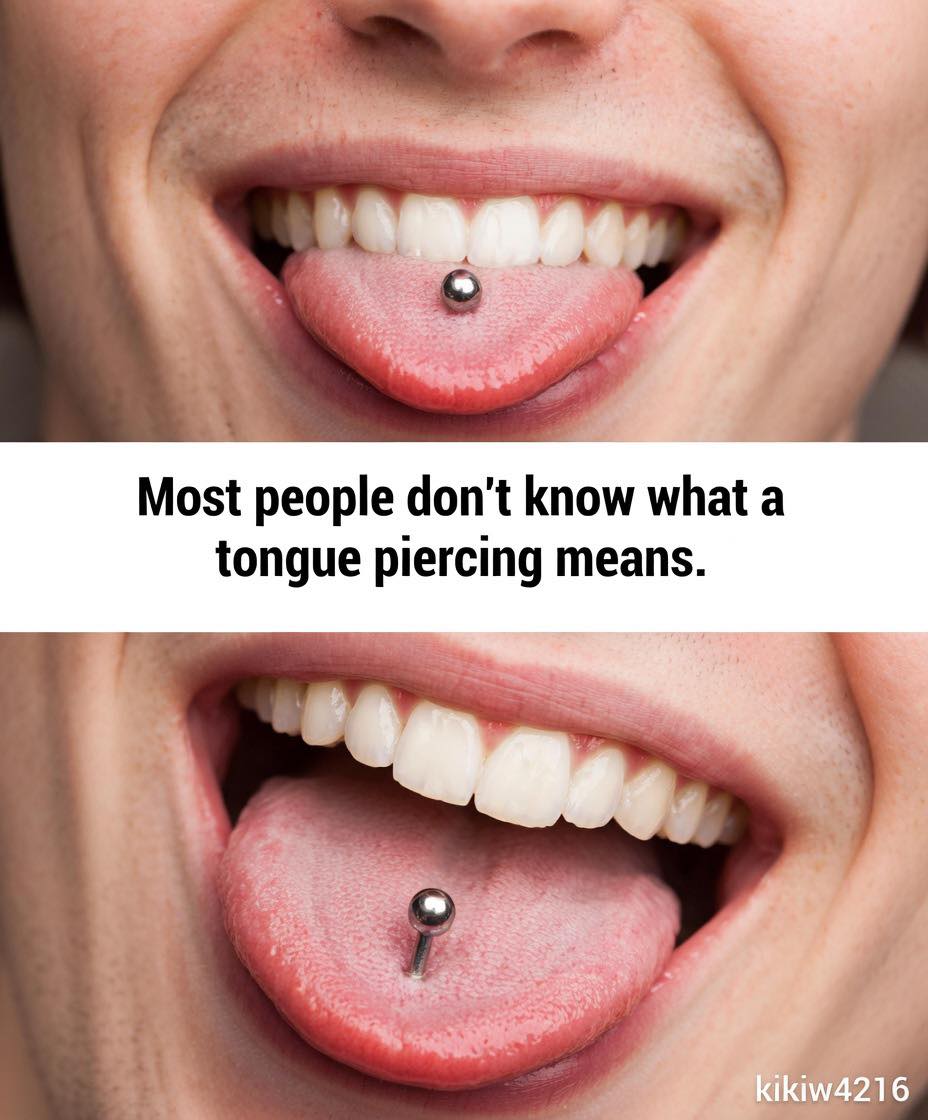
Culturally and historically, tongue piercings have roots that stretch far beyond modern fashion trends. Ancient Aztec and Maya civilizations practiced tongue piercing as part of religious rituals, often involving bloodletting to communicate with the gods or to demonstrate devotion and sacrifice. In these contexts, the piercing was not about rebellion or style but about spiritual connection and communal identity. Similarly, some Indigenous tribes in North America and other regions incorporated tongue piercings into coming-of-age ceremonies or healing rituals. In contemporary times, the meaning has evolved significantly with globalization and the rise of body modification as an art form. What was once a sacred or taboo practice has become democratized, appearing on celebrities, musicians, models, and everyday individuals from all walks of life. This mainstreaming has diluted some of the original shock value but has also expanded the range of personal meanings attached to the piercing. For some, it remains a symbol of counterculture and resistance against conservative values, while for others it is simply a cool accessory that pairs well with colorful hair or tattoos. The placement on the tongue makes it particularly intimate because it is usually hidden until the wearer chooses to reveal it by sticking out their tongue or speaking, creating an element of personal control over when and how their modification is seen.
From a social and psychological perspective, tongue piercings can influence how others perceive and interact with the wearer in subtle but meaningful ways. In professional environments, a visible tongue piercing might still carry some stigma, leading some people to remove the jewelry during work hours or interviews. This duality highlights the ongoing tension between self-expression and societal expectations. On the other hand, in creative industries, the arts, music scenes, or among younger generations, a tongue piercing is often viewed positively as a marker of creativity, confidence, and authenticity. The piercing can also affect speech patterns temporarily during the healing phase, causing a slight lisp that many wearers find endearing or even empowering as they adapt. Long-term, the presence of the piercing can become so normalized to the wearer that they forget it’s there until someone comments on it. This normalization process mirrors broader themes of identity formation, where external modifications gradually become integrated into one’s sense of self. Moreover, the choice of jewelry—whether a simple steel barbell, colorful acrylic balls, or even custom designs—adds another layer of personal meaning, allowing the wearer to express mood, style preferences, or affiliation with specific subcultures through their piercing.
Despite its popularity, getting a tongue piercing is not without risks and responsibilities, which adds another dimension to its meaning. The procedure requires a skilled professional piercer using proper sterile techniques, as the tongue contains major blood vessels and nerves that can lead to complications if mishandled. Swelling, infection, damage to teeth from constant clicking, or even nerve issues are potential concerns that serious enthusiasts take into account before committing. For many, overcoming these risks and successfully healing the piercing becomes a testament to their dedication and resilience. This aspect transforms the piercing from a mere decoration into a symbol of personal strength and the willingness to endure temporary discomfort for long-term satisfaction. In online communities and forums dedicated to body modification, people often share detailed stories about their piercing journeys, including the pain, the aftercare routine, and the emotional impact it had on their self-esteem. These shared experiences create a sense of camaraderie among pierced individuals, reinforcing the idea that tongue piercings can represent membership in a global community of people who value body autonomy and alternative forms of beauty. The “meaning” therefore extends beyond the individual to collective identity and mutual support.
In conclusion, the true meaning of a tongue piercing is ultimately as diverse and personal as the people who wear them. While popular culture and internet memes often reduce it to a single provocative implication, the reality is far richer and more complex. It can symbolize rebellion, sensuality, spiritual connection, artistic expression, confidence, or simply the joy of self-decoration. Whether chosen for aesthetic reasons, cultural significance, sexual enhancement, or as a personal milestone, a tongue piercing serves as a visible (or sometimes hidden) reminder of the wearer’s unique journey. As body modification continues to gain acceptance across different age groups and social circles, the meanings attached to tongue piercings will likely continue to evolve. What remains constant is the power of this small piece of metal to spark conversations, challenge assumptions, and allow individuals to express aspects of their identity that words alone cannot capture. For those considering a tongue piercing, understanding these layered meanings can help transform a simple cosmetic choice into a deeply meaningful act of self-discovery and empowerment.
