
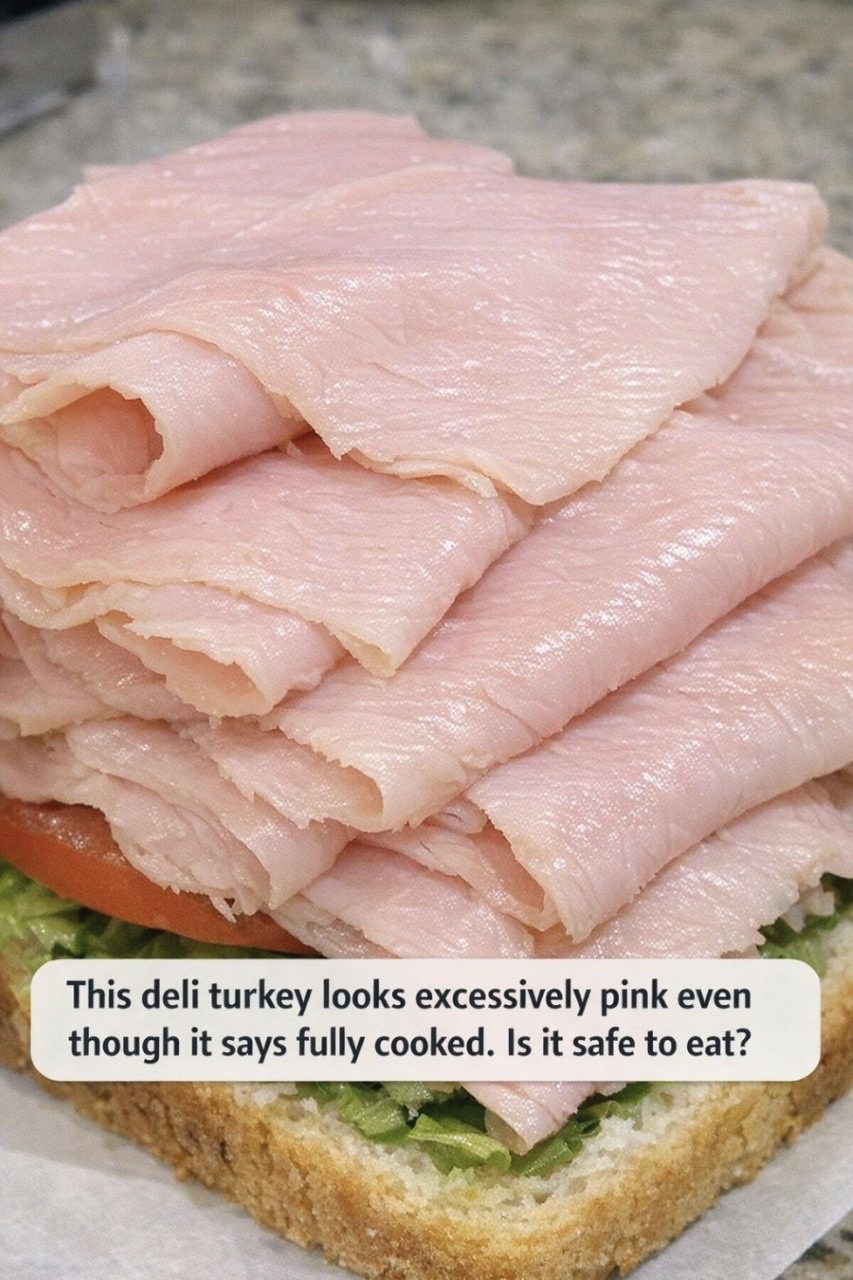
Deli turkey is a popular choice for sandwiches and quick meals, revered for its convenience, flavor, and nutritional profile. However, a common concern arises when consumers notice that their deli turkey appears excessively pink, even though the packaging assures that it is fully cooked. This visual discrepancy can cause understandable apprehension, as many associate pink meat with being undercooked.
Understanding the nuances of deli meat processing can alleviate such concerns. This article delves into the reasons behind the pink hue of fully cooked deli turkey, the science behind meat curing processes, and the safety measures one should consider. By the end, you should feel more confident in distinguishing between safe-to-eat turkey and potential risks.
1. Why Fully Cooked Deli Turkey Can Still Look So Pink
The pink color in fully cooked deli turkey can often be attributed to the methods used in its preparation. During the cooking process, the meat undergoes a transformation where proteins interact with other compounds, leading to a stable pink color. This reaction is more pronounced when the turkey is cooked at lower temperatures, typically around 165°F (74°C), which is considered safe for poultry.
Moreover, the presence of certain ingredients, such as nitrites and nitrates used in curing, can also contribute to the pink appearance. These additives help preserve the meat and enhance its flavor, while also maintaining the pink color that some consumers might find alarming.
