
2. The Science of Nitrites, Curing, and That Rosy Hue
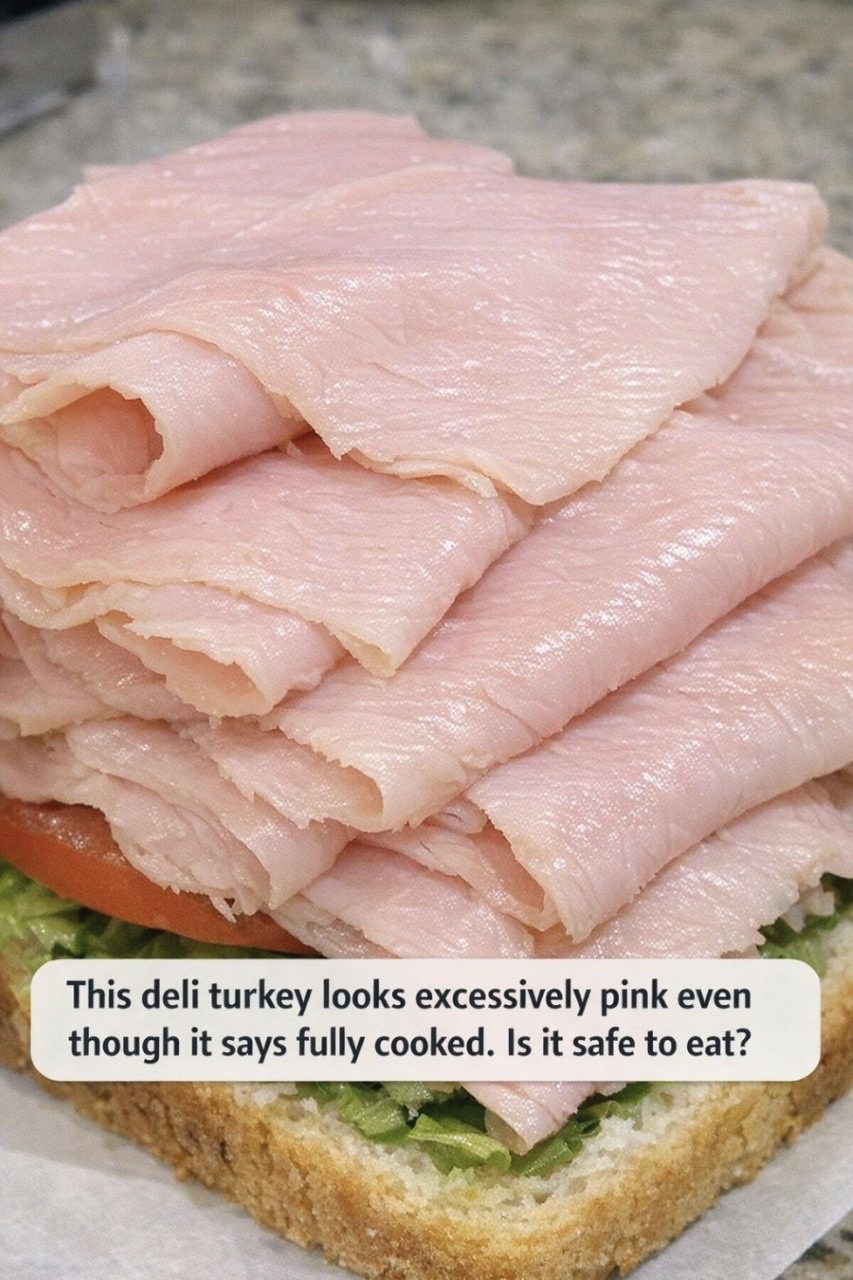
Nitrites and nitrates are commonly used in the meat curing process to prevent spoilage and bacterial growth. When these compounds are added to turkey, they interact with myoglobin, the protein responsible for storing oxygen in muscle tissues. This interaction forms a stable pink pigment known as nitrosomyoglobin.
The curing process not only helps in preserving the meat but also influences its flavor and color. It is a controlled and safe method used widely in the food industry. It’s important to note that the amounts of nitrites used are regulated by food safety authorities, ensuring that they are within safe consumption limits.
3. When Pink Is Normal: Visual Cues That Signal Safe Turkey
If your deli turkey is uniformly pink and has a consistent texture, it is often safe to eat. The pink hue should be even throughout the slices, without any signs of gray or greenish tints. A safe deli turkey will also have a fresh, moist appearance without any slimy residue.
It’s also helpful to remember that different brands and types of deli turkey might have slight variations in color based on the specific curing and smoking processes used. Familiarity with the brand’s typical appearance can help in assessing whether the pink color is normal.
4. Red Flags: Color Changes That Mean You Should Toss It
While a pink color can be normal, certain other visual cues indicate spoilage. If the turkey develops a gray or greenish hue, it is likely spoiled and should not be consumed. Similarly, if the surface appears slimy or sticky, this is a sign of bacterial growth.
Additionally, any mold growth, visible spots, or unusual textures are clear indicators that the deli meat has been compromised. It’s crucial to discard any meat that exhibits these characteristics to avoid foodborne illnesses.
