
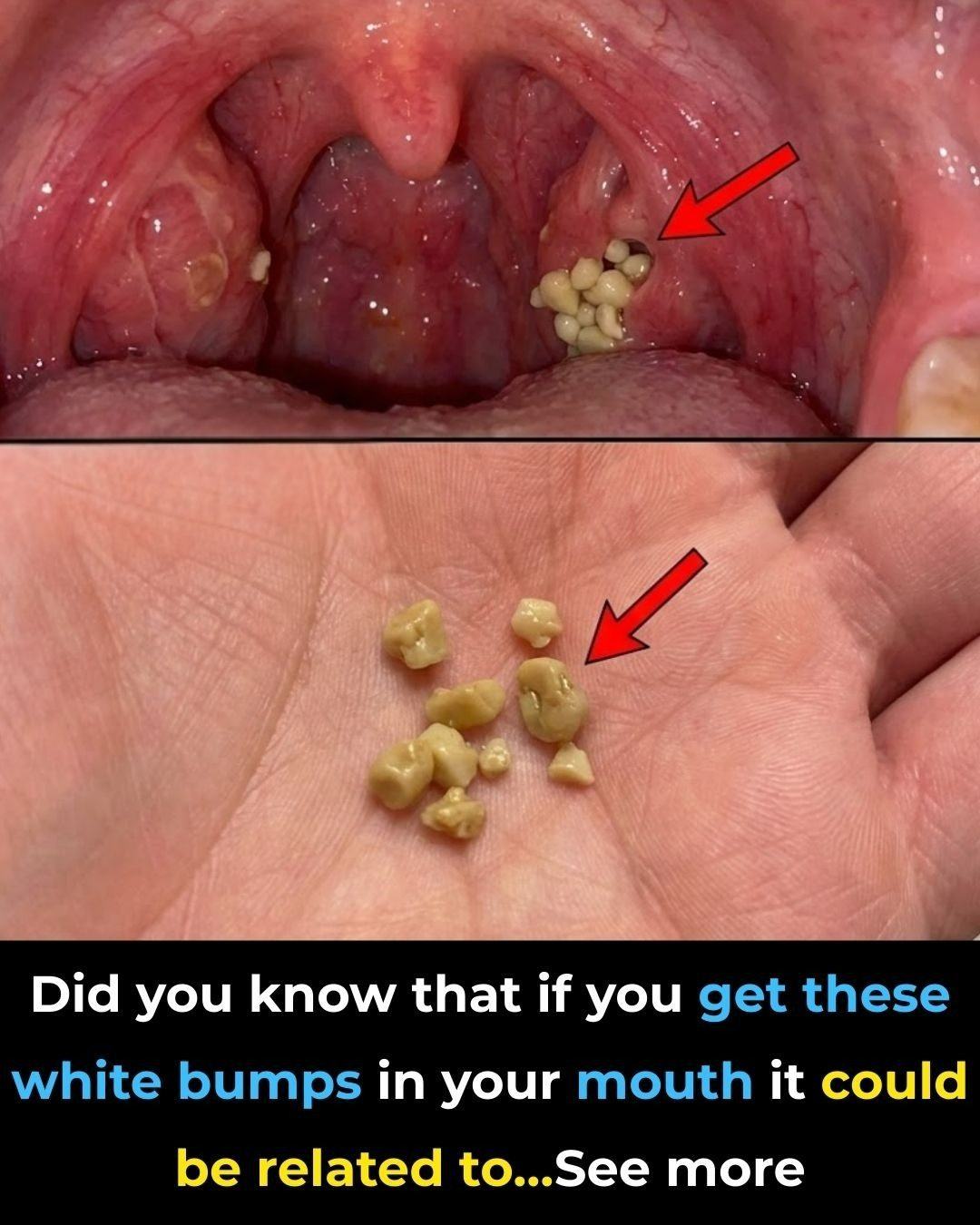
You know that feeling. That annoying sensation that something’s stuck in the back of your throat. You cough, you clear your throat, you swallow repeatedly—and then suddenly, a tiny, foul-smelling white or yellowish pellet dislodges. It’s small, but its presence is deeply unsettling.
Welcome to the world of tonsil stones. They’re strange, they’re common, and they’re rarely discussed. But if you’ve experienced them, you know they can be frustrating, embarrassing, and sometimes surprisingly uncomfortable.
Let’s demystify these little intruders—what they are, why they form, and how to keep them from coming back.
What Exactly Are Tonsil Stones?
Tonsil stones, medically known as tonsilloliths, are small, calcified formations that develop in the crevices of your tonsils. They’re made up of:
Dead white blood cells (your body’s immune cells that fought off invaders)
Bacteria (both alive and dead)
Mucus (that you swallow constantly without noticing)
Food particles (microscopic debris that gets trapped)
Dead skin cells (shed from the lining of your mouth and throat)
Over time, this debris accumulates in the tonsil crypts (those natural pockets and folds in your tonsils) and hardens into small, often foul-smelling formations.
The smell: The distinct odor comes from bacteria breaking down proteins and producing sulfur compounds. It’s the same chemistry behind bad breath—just concentrated into tiny pellets.
Size: Most are smaller than a pea, though they can occasionally grow larger. The largest recorded tonsil stone? About the size of a walnut. (Yes, really.)
Color: Usually white, off-white, or yellowish. Sometimes they appear grayish if they’ve been present for a while.
Why Do Tonsil Stones Form?
Not everyone gets tonsil stones. If you do, it’s usually because of one or more of these factors:
1. Tonsil Crypt Anatomy
Your tonsils aren’t smooth surfaces. They’re covered in crypts—natural folds and pockets that increase surface area to help trap pathogens. For some people, these crypts are simply deeper and more numerous, creating perfect little traps for debris.
2. Chronic Inflammation
Frequent tonsillitis or chronic inflammation can enlarge the crypts and create more surface irregularities, making stone formation more likely.
3. Poor Oral Hygiene
Not brushing or flossing thoroughly allows bacteria to thrive, increasing the debris load that can accumulate in tonsil crypts.
4. Large Tonsils
People with naturally large tonsils often have more crypts and deeper crevices, providing more hiding spots for stones.
5. Post-Nasal Drip
Chronic allergies or sinus issues cause excess mucus production. That mucus has to go somewhere—often down the back of your throat, where some gets trapped in tonsil crypts.
6. Dry Mouth
Saliva naturally cleanses the mouth and throat. When production decreases (due to dehydration, medications, or mouth breathing), debris lingers longer.
Signs You Might Have Tonsil Stones
Many people have tonsil stones without knowing it. They’re often discovered accidentally during coughing fits or throat clearing. Common signs include:
Persistent bad breath that doesn’t improve with brushing (the #1 sign)
