
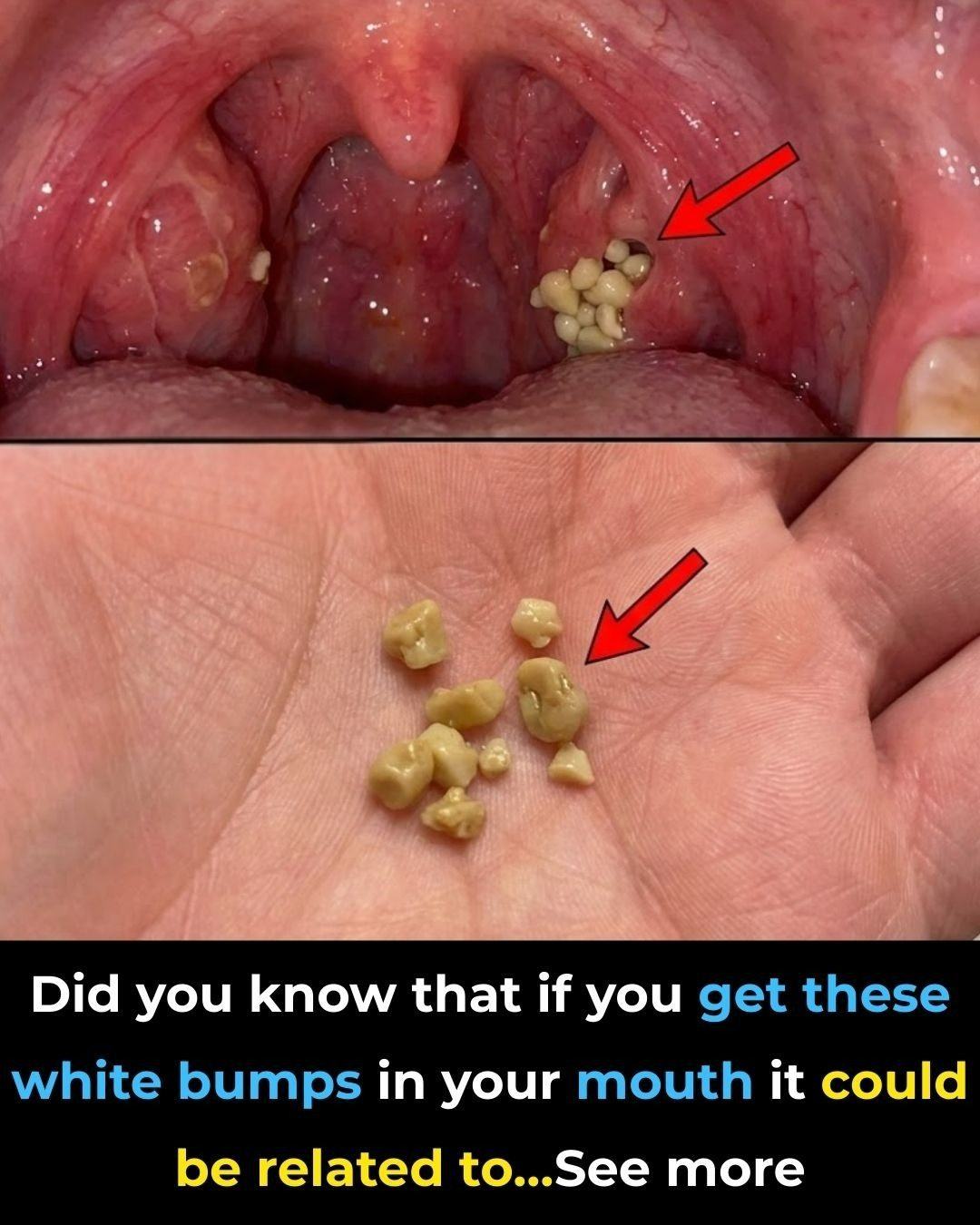
Sensation of something stuck in the back of your throat
Difficulty swallowing or throat discomfort
Ear pain (shared nerve pathways can refer pain)
Visible white or yellow spots on your tonsils
Chronic cough or throat clearing
Metallic taste in your mouth
Swollen tonsils (if stones are large or numerous)
How to Get Rid of Tonsil Stones
Let’s be clear upfront: “forever” is a strong word. For people prone to tonsil stones, they may always be a possibility. But with consistent care, you can dramatically reduce their frequency—and sometimes eliminate them entirely.
At-Home Removal (For Visible Stones) Important safety note: Your tonsils are delicate, vascular tissue. Be gentle. If something hurts, stop. If you can’t see it clearly, don’t dig blindly.
Method 1: Gentle Coughing
Sometimes the simplest method works. Forceful coughing can dislodge stones without any tools.
Method 2: Cotton Swab
With clean hands and a clean cotton swab, gently press on the tissue around the stone (not on the stone itself). The goal is to nudge it out of the crypt, not dig it out. Stop immediately if you cause bleeding.
Method 3: Water Irrigation
Use a low-pressure water flosser (like a Waterpik) on its absolute lowest setting. Gently aim at visible stones. The water pressure can dislodge them without trauma. Never use high pressure.
Method 4: Salt Water Gargle
Warm salt water gargles (½ teaspoon salt in 8 oz warm water) can sometimes loosen stones and will always soothe the tissue afterward.
What NOT to Do
Don’t use sharp objects (pins, toothpicks, knives). This is how you cause serious injury.
Don’t dig aggressively. You’ll damage tissue and potentially create more crypts for future stones.
Don’t panic. Stones are rarely dangerous.
How to Prevent Tonsil Stones (Long-Term Management)
This is where “forever” becomes more realistic. Consistent prevention can dramatically reduce—and sometimes eliminate—stone formation.
1. Meticulous Oral Hygiene
Brush twice daily, including your tongue (especially the back)
Floss daily (reduces overall oral bacteria)
Use an alcohol-free mouthwash
Consider a tongue scraper
2. Salt Water Gargles
Gargle with warm salt water after meals and before bed. This dislodges debris before it can accumulate and calcify.
3. Stay Hydrated
Dry mouth is a stone’s best friend. Drink water throughout the day. Consider a humidifier at night if you mouth-breathe.
4. Avoid Dairy Before Bed
Dairy can increase mucus production. If you’re prone to stones, try avoiding milk, cheese, or yogurt in the evening.
