
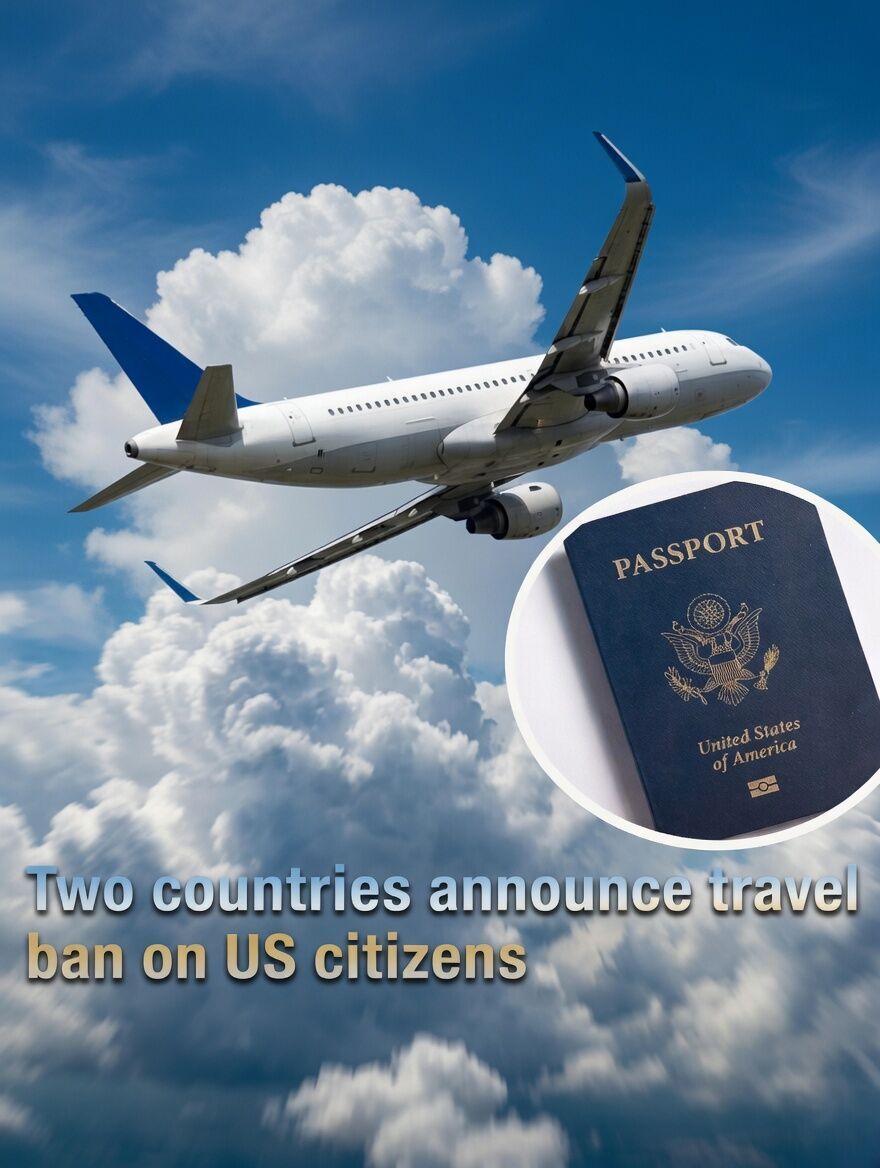
At the same time that international travel restrictions are tightening, the United States has also introduced new border and customs measures that further reshape the experience of entering and exiting the country. In late December, strict new biometric data collection laws came into effect at U.S. airports, granting government officials expanded authority to collect personal data from non-citizen travelers. Under the new policy, non-U.S. citizens may be required to undergo facial recognition photography when entering or leaving the country, with images matched against existing records and stored in the government’s biometric identity management system for up to 75 years. In some cases, Department of Homeland Security officials may request additional biometric information, including fingerprints or even DNA. While U.S. citizens are not required to participate in the program, they may opt in voluntarily, and any photographs taken of citizens are discarded within 12 hours. Travelers who choose not to participate must inform a Customs and Border Protection officer or airline representative and will then undergo a manual passport check. The government has stated that these measures are intended to enhance border security, deter fraudulent claims, and provide operational consistency, particularly during high-volume travel periods. Critics, however, have raised concerns about privacy, data retention, and the potential for misuse of sensitive personal information.
In parallel with these developments, several European countries have updated their travel guidance for citizens planning to visit the United States, reflecting growing concern over stricter enforcement of U.S. immigration rules. The United Kingdom has revised its advice to emphasize that travelers must comply fully with all entry, visa, and other conditions, warning that U.S. authorities enforce entry rules strictly and that violations can lead to arrest or detention. Germany has issued similar warnings after investigating cases in which German citizens were denied entry and detained despite holding valid travel authorization. German officials have stressed that neither an approved ESTA nor a valid U.S. visa guarantees entry, as the final decision rests with U.S. border authorities. These warnings align with broader uncertainty surrounding the Trump administration’s evolving immigration agenda, which includes not only current travel bans but also potential future expansions. Internal memos have reportedly outlined a list of up to 43 countries that could face varying levels of restrictions, ranging from full visa suspensions to conditional bans dependent on compliance within a specified timeframe. Together, these policies signal a profound shift in how the United States manages entry, prioritizing enforcement and security at the cost of predictability and openness. As travel bans, biometric surveillance, and reciprocal restrictions take effect, the global landscape of mobility is being reshaped, affecting governments, travelers, and international relations in ways that are likely to persist well beyond the current news cycle.
