
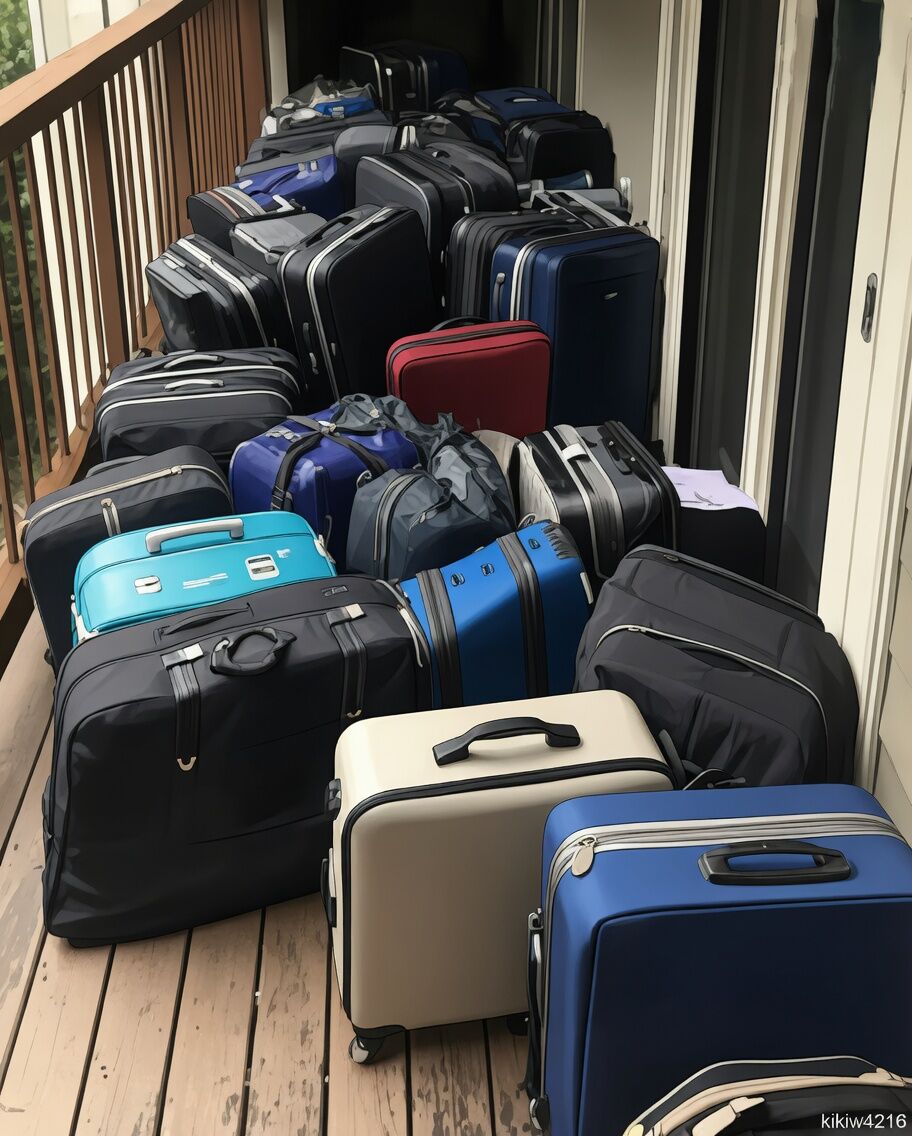
The night after my sister told me to leave didn’t feel real. It felt like I had stepped into someone else’s life, watching from a distance as everything I thought was stable suddenly collapsed. My bags sat by the door like silent proof that I was no longer welcome, that whatever bond we once shared had been reduced to something cold and transactional. I barely slept. My father had just passed, and instead of grieving together, we had become strangers divided by walls that once held memories. The next morning, I went straight to the lawyer’s office, still holding my father’s watch tightly in my hand, as if it could anchor me to something familiar. When I walked in, the lawyer didn’t look surprised. In fact, there was a strange calmness about him, as though he had been expecting this exact moment. He asked me to sit down, then opened a drawer and pulled out a sealed envelope. My name was written on it in my father’s handwriting. My heart started racing as I opened it, unsure of what I was about to read, but already sensing that whatever was inside would change everything.
The letter wasn’t long, but every word carried weight. My father wrote that he knew my sister would try to push me out, that he had seen it in the way she distanced herself over the years, in the way she treated the house like it was already hers. He explained that leaving the house to her wasn’t a mistake—it was intentional. But what shocked me was what came next. He had set conditions. The house, though legally in her name, came with a clause that required both of us to live there peacefully for at least one year after his death. If she failed to uphold that condition—if she forced me out or created an unlivable situation—the ownership would automatically transfer to me. My hands trembled as I read those words again and again, trying to process what they meant. The lawyer confirmed it. My father had anticipated everything. The moment my sister threw me out, she had unknowingly triggered the clause. The house was no longer hers—it was mine. But instead of feeling victorious, I felt something more complicated, something quieter. It wasn’t about winning. It was about understanding my father’s final lesson.
