
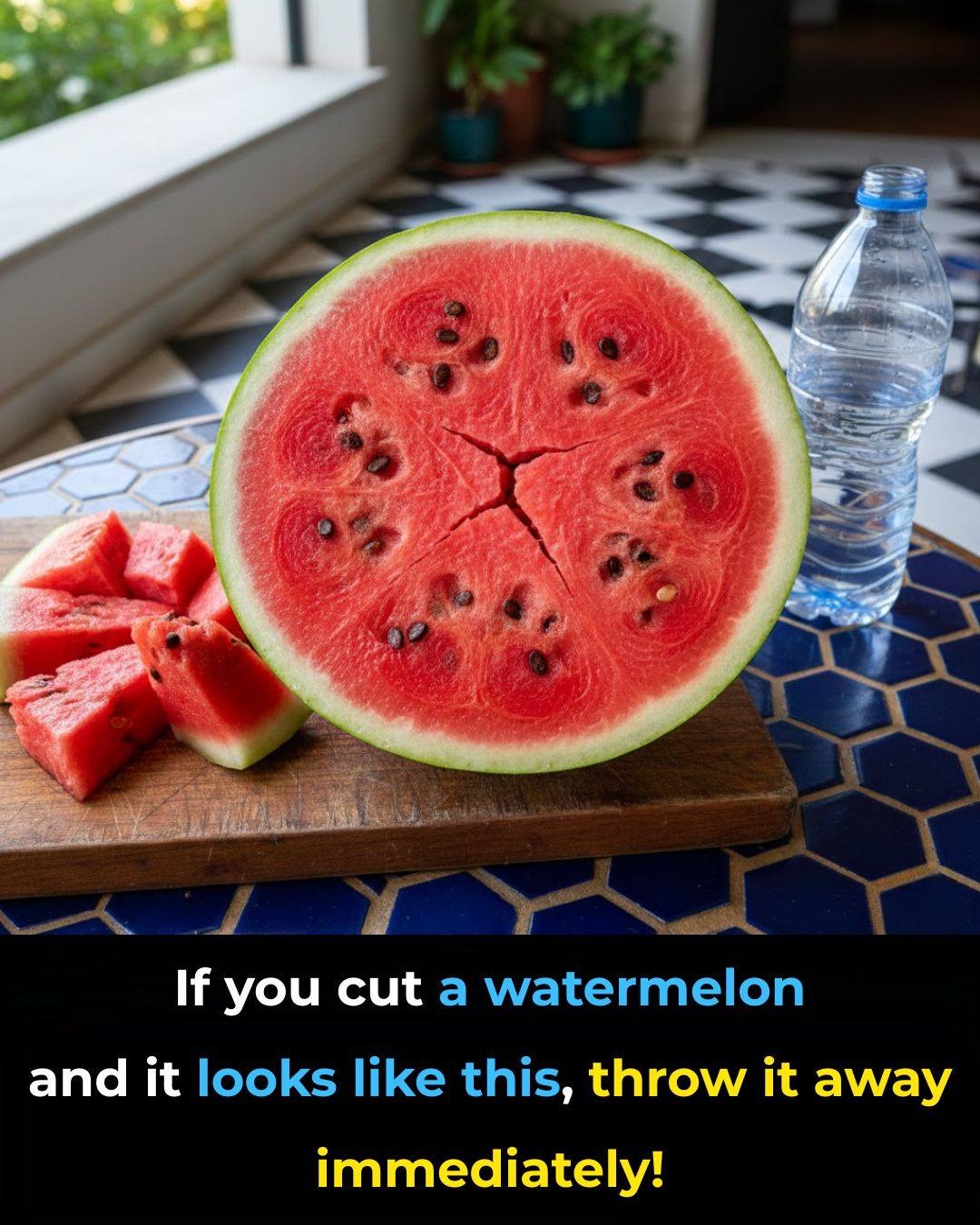
Watermelon is one of summer's most reliable pleasures — cold, sweet, deeply hydrating, and almost universally loved. But like any fresh fruit, watermelon spoils, and eating one that has gone bad carries real risks. Contaminated or spoiled watermelon has been associated with multiple food poisoning outbreaks over the years, including a 2019 multi-state Salmonella outbreak that sickened 137 people across the United States, and a 2000 E. coli outbreak that affected 736 individuals. Knowing how to read the warning signs before you cut into or eat a watermelon can save you from a genuinely unpleasant — and potentially serious — experience.
The good news is that watermelon communicates its condition clearly if you know what to look for. The warning signs of spoilage span the fruit's exterior and interior — its rind, flesh, smell, texture, and taste all provide reliable information about whether it is safe to eat. Here is what to check before you take a bite.
Warning Signs on the Outside — Before You Cut
1. Soft Spots or Indentations in the Rind
A fresh, ripe watermelon should have a firm rind with a surface that resists gentle pressure. If you press your fingers against the rind and they leave indents, or if you can feel areas of softness beneath the surface, the watermelon has likely begun to break down internally. Soft spots indicate that the flesh beneath is deteriorating and may already be developing mold or bacterial growth. Visible soft spots — areas where the rind has begun to sink or wrinkle without you pressing it — are an even clearer signal that the fruit should be discarded.
2. Dark Spots, Heavy Bruising, or Browning of the Rind
A healthy watermelon rind has a consistent green color, either solid or striped with lighter green. The rind may naturally lighten to a yellowish-tan color in the area where it rested on the ground during growing — this is called the field spot, and a creamy yellow field spot is actually a sign of ripeness. What you do not want to see is significant browning, darkening, or heavy bruising across the surface. A rind that has turned brownish-black in places, developed dark irregular patches, or shows obvious bruising damage is beginning to decay. Small brown spots can sometimes be cut away if the rest of the melon is intact and smells fresh, but widespread discoloration is a sign to discard the whole fruit.
3. Mold Visible on the Surface
Mold on watermelon appears as small white, black, brown, or gray fuzzy dots on the rind. If you see any visible mold on the exterior of a whole watermelon, do not attempt to cut around it and eat the rest. Mold penetrates the surface and spreads internally in ways that are not visible to the naked eye, meaning mold visible on the outside almost certainly indicates mold deeper inside the fruit as well. Mold exposure can trigger allergic reactions including coughing, sneezing, watery eyes, headaches, and in people with respiratory sensitivities, more serious symptoms. Discard the entire watermelon.
