
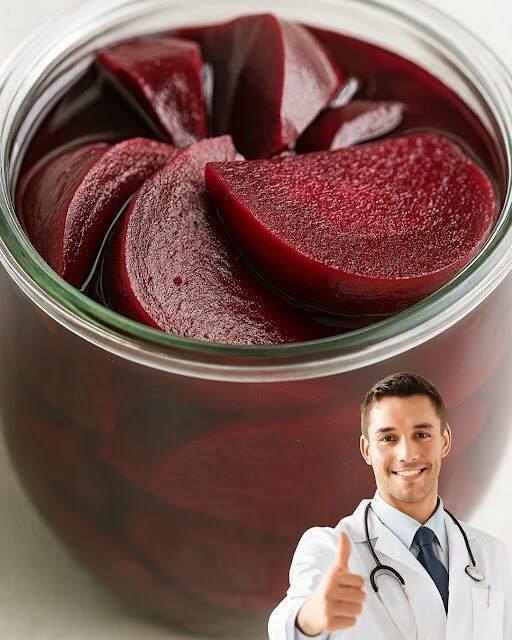
Inflammation Decreases Throughout the Body
Beets contain a group of pigment compounds called betalains — responsible for their deep red color — that function as potent antioxidants and anti-inflammatory agents. Chronic low-grade inflammation is now understood to be an underlying driver of type 2 diabetes, cardiovascular disease, high blood pressure, asthma, obesity, and numerous other conditions that become more prevalent with age. Cleveland Clinic research has found that beet juice reduces inflammation markers throughout the body, and a 2014 study found that betalain supplementation from beetroot extract helped relieve joint pain associated with osteoarthritis. The anti-inflammatory properties of betalains are also being studied for their potential role in cancer prevention, with early research showing they may inhibit tumor cell proliferation and support programmed cell death in certain cancer types.
Your Liver Gets Protection
Beets are among a relatively small number of foods with documented liver-protective properties. They contain betaine — a compound derived from the same betalains that give beets their color — which helps reduce oxidative stress and inflammation in liver tissue. The liver is the body's primary filtration and detoxification organ, and chronic oxidative stress in liver cells is a contributing factor to non-alcoholic fatty liver disease and other liver conditions. Regular beet consumption supports the liver's ability to protect itself against this damage. Northwestern Medicine dietitians specifically call out beets as liver-friendly foods worth incorporating regularly for this reason.
Your Gut Health Improves
A single cup of cooked beets provides approximately 3.8 grams of dietary fiber — a meaningful contribution to the 25 to 38 grams per day recommended for adults. Beyond the direct benefits of fiber for digestive regularity and cholesterol management, beets specifically promote the growth of beneficial bacteria in the gut microbiome. A healthy and diverse gut microbiome is increasingly recognized as foundational to immune function, metabolic health, mood regulation, and systemic inflammation. Eating whole beets — rather than beet juice, which removes the fiber — delivers both the nitrate and betalain benefits alongside the gut health benefits of intact dietary fiber.
