
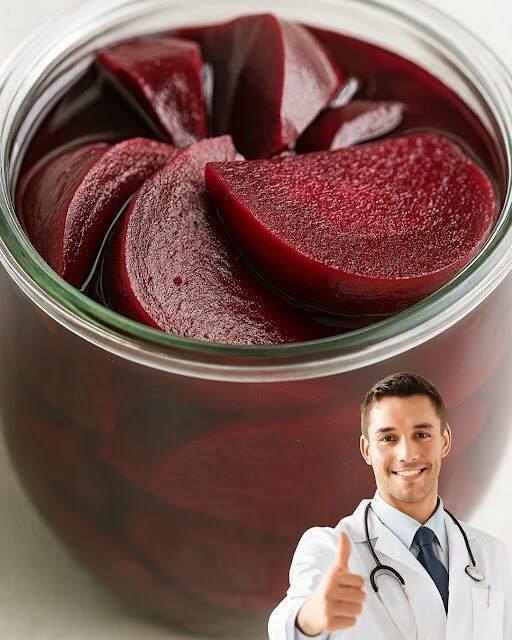
Beets are one of the richest food sources of folate — vitamin B9 — which plays a central role in cell growth, DNA synthesis, and the repair of damage to blood vessel walls. Adequate folate intake is associated with reduced risk of cardiovascular disease, stroke, and certain cancers, and is essential for fetal neural tube development during early pregnancy. Many adults consume less folate than recommended, and beets represent one of the most practical and palatable ways to close that gap through food rather than supplementation.
One Thing That Will Surprise You: Beeturia
If you eat beets and then notice that your urine or stool has turned red or pink, do not panic. This is an entirely harmless phenomenon called beeturia, caused by a water-soluble pigment in beets called betanin that some people's digestive systems do not fully metabolize. It passes through the body and colors urine temporarily. Beeturia affects roughly 10 to 14 percent of people and is not a sign of bleeding or any health problem. It is worth knowing about in advance simply because the first encounter with it, without context, can be genuinely alarming.
Who Should Be Careful
Beets are safe and beneficial for the vast majority of healthy adults, but a few groups should exercise some caution. People with a history of kidney stones should be aware that beets are relatively high in oxalates — compounds that can bind with calcium in the body and contribute to kidney stone formation in susceptible individuals. People taking blood pressure medications should note that the blood-pressure-lowering effect of dietary nitrates can enhance the effect of those medications, potentially causing blood pressure to drop lower than intended. Anyone managing gout should know that beets contain purines, which can be broken down into uric acid and may trigger flare-ups in sensitive individuals. For everyone else, the recommendation from registered dietitians at Northwestern Medicine and Cleveland Clinic is consistent: one cup of cooked beets or half a cup of beet juice daily is a practical and effective target.
How to Eat More of Them
Beets can be roasted, boiled, steamed, or eaten raw when shredded. They pair well with olive oil, goat cheese or feta, walnuts, and citrus in salads. Roasted beets with a drizzle of balsamic vinegar are a simple side dish that converts many beet skeptics. Beet juice can be added to smoothies where its earthy sweetness is balanced by fruit. Columbia University's dietitians note that canned or frozen beets retain most of their nutritional value when fresh beets are not available or convenient — making this one of the more accessible vegetables to incorporate year-round. The one preparation note worth keeping in mind: betanin, the antioxidant pigment responsible for beets' red color, is heat-sensitive and water-soluble, so prolonged boiling at high temperatures diminishes some of its potency. Roasting, steaming, or eating beets raw preserves more of this compound than aggressive boiling does.
