
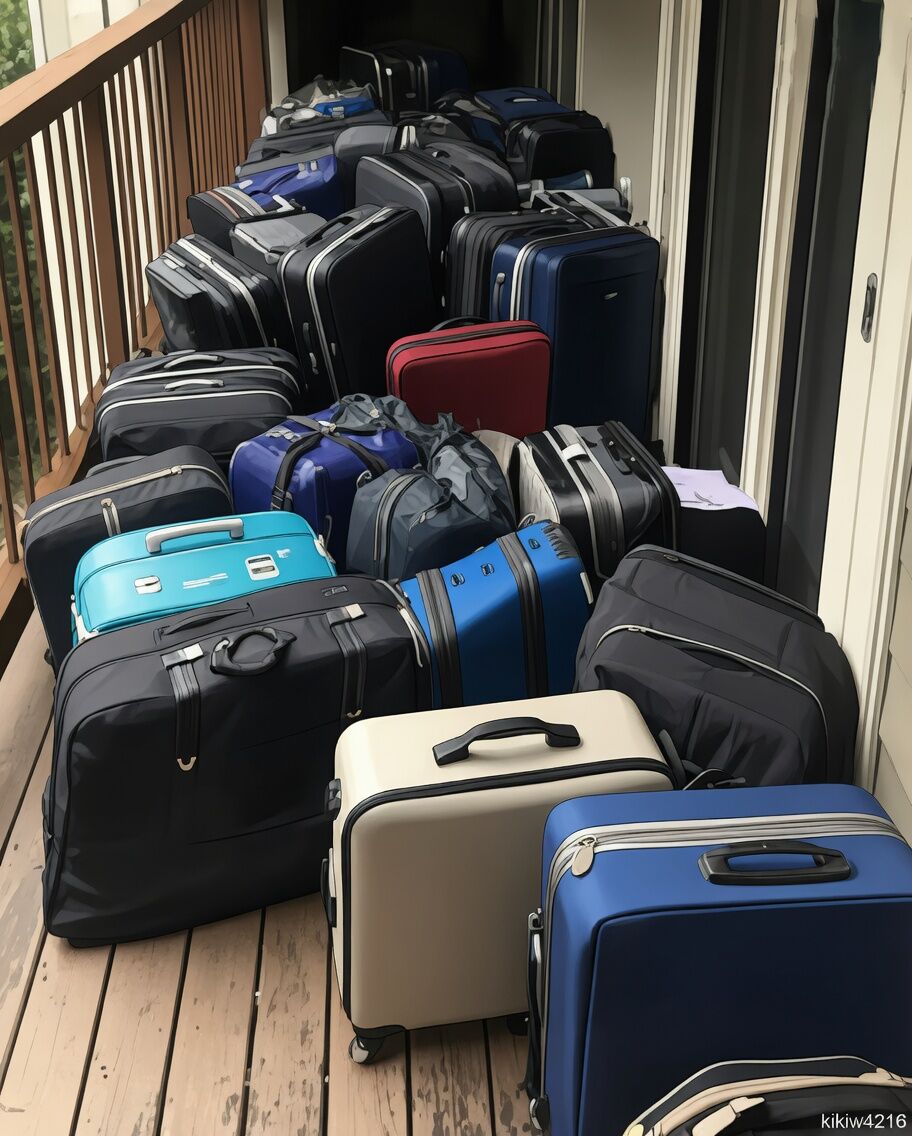
When I returned to the house, the atmosphere had shifted completely. My sister’s confidence faded the moment she realized what had happened. For the first time, she looked uncertain, almost vulnerable. But I didn’t feel the urge to mirror what she had done to me. I didn’t throw her out. Instead, I told her she could stay—for now—but things would be different. Boundaries would exist. Respect would be required. That moment became a turning point, not just in our relationship, but in how I viewed everything around me. My father hadn’t just protected me; he had forced both of us to confront who we were and what we valued. And strangely, that realization extended beyond family dynamics. It made me think about the spaces we live in, especially the kitchen—the heart of a home—where habits, clutter, and overlooked details often reflect deeper patterns in our lives. Just as my father had carefully decided what belonged in his legacy, I began to think about what truly belongs in our everyday spaces—and what doesn’t.
The first thing people should move away from the kitchen is unnecessary clutter. Countertops filled with rarely used appliances, drawers packed with duplicate utensils, and cabinets overflowing with items that serve no real purpose create not just physical mess, but mental noise. A kitchen should feel functional and calm, not overwhelming. The second is expired or forgotten food. It’s surprisingly common for people to keep items long past their usefulness, creating waste and even potential health risks. The third is emotional attachment to broken or unused items. Holding onto a chipped mug or a malfunctioning appliance “just in case” often prevents space for something better. Fourth, harsh cleaning chemicals stored carelessly can be both unsafe and unnecessary when safer alternatives exist. Fifth, distractions like constant phone use or cluttered spaces that pull attention away from cooking can disconnect people from the experience of preparing food. The kitchen should be a place of presence, not distraction.
