
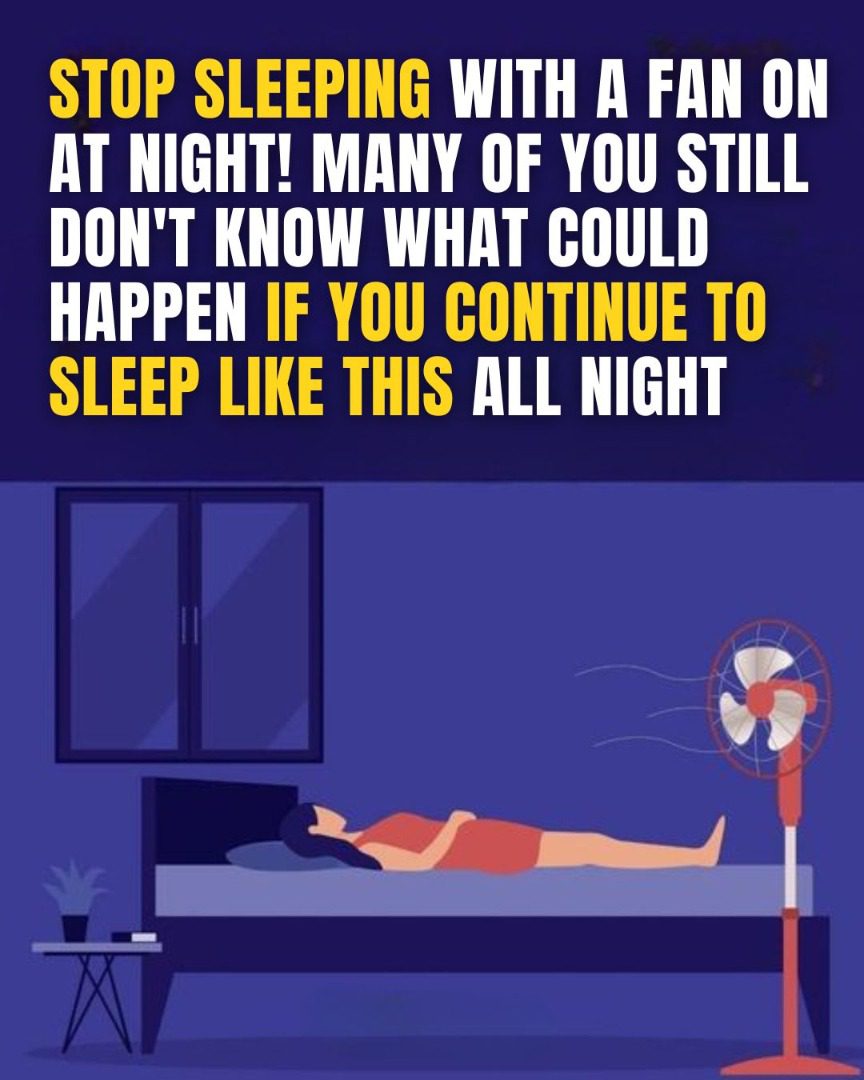
The fix is straightforward if you want to continue using a fan: clean the blades thoroughly at least once a week using a damp cloth or an appropriate cleaning tool, keep your bedroom vacuumed and surfaces dusted regularly, and consider adding a HEPA air purifier to the room to actively filter allergens from the air rather than simply moving them around.
2. Fans Dry Out Your Sinuses, Throat, and Eyes
The continuous stream of moving air produced by a fan throughout an entire night is remarkably effective at stripping moisture from the mucous membranes of your nose, throat, and sinuses — as well as from the surface of your eyes if you are among the people who sleep with their eyes not fully closed. When your nasal passages and sinuses become excessively dry, your body responds by producing extra mucus in an attempt to restore moisture. This overproduction of mucus creates exactly the congested, stuffed-up feeling that many fan sleepers notice every morning, often accompanied by sinus headaches, a mildly sore throat, and the general sense of having slept poorly despite spending adequate time in bed.
For people who already sleep with their mouths open or who snore, the drying effect is even more pronounced — the constantly moving air directly drying out the mouth and throat throughout the night can produce a genuinely uncomfortable sore throat by morning and can even worsen snoring by irritating already-dry tissue. Contact lens wearers and people with dry eye conditions are particularly susceptible to discomfort from fan-induced eye dryness, which can cause significant irritation and redness upon waking. Running a humidifier alongside the fan, keeping the fan pointed away from your face and upper body, and using a glass of water on the bedside table can all help mitigate this drying effect.
