
This secure hold is vital in maintaining the structural integrity of the arrangement, especially for stems that might otherwise droop or shift. The kenzan thus serves both a functional and aesthetic purpose, enabling the creation of intricate and enduring floral designs.
5. Materials, Weight, And Design: What Sets a Kenzan Apart
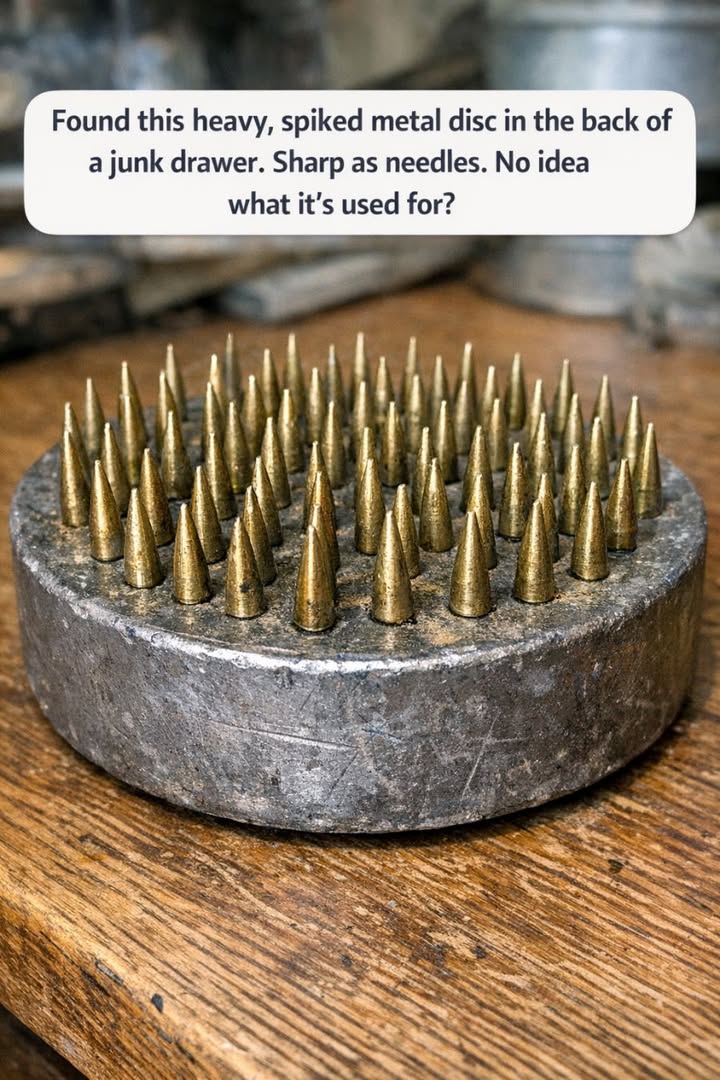
Kenzans are traditionally made from materials such as brass or lead, chosen for their durability and weight. The base of the kenzan is usually flat and heavy, ensuring that it remains stable under the weight of an arrangement. Lead kenzans are particularly prized for their heft, which provides a sturdy foundation even for elaborate designs.
The design of the kenzan is both simple and effective. Its compact, circular form allows it to fit easily into various containers, while the density of the spikes provides ample support for numerous stems. Some kenzans may also feature a rubber or cork base to prevent slipping within a vase or dish.
6. How to Safely Handle and Store a Kenzan in Your Home
Handling a kenzan requires care due to its sharp spikes. When not in use, it is advisable to store it in a safe location, away from areas where it might be accidentally touched or knocked over. A small box or protective covering can help prevent accidental pricks and protect the spikes from bending.
