
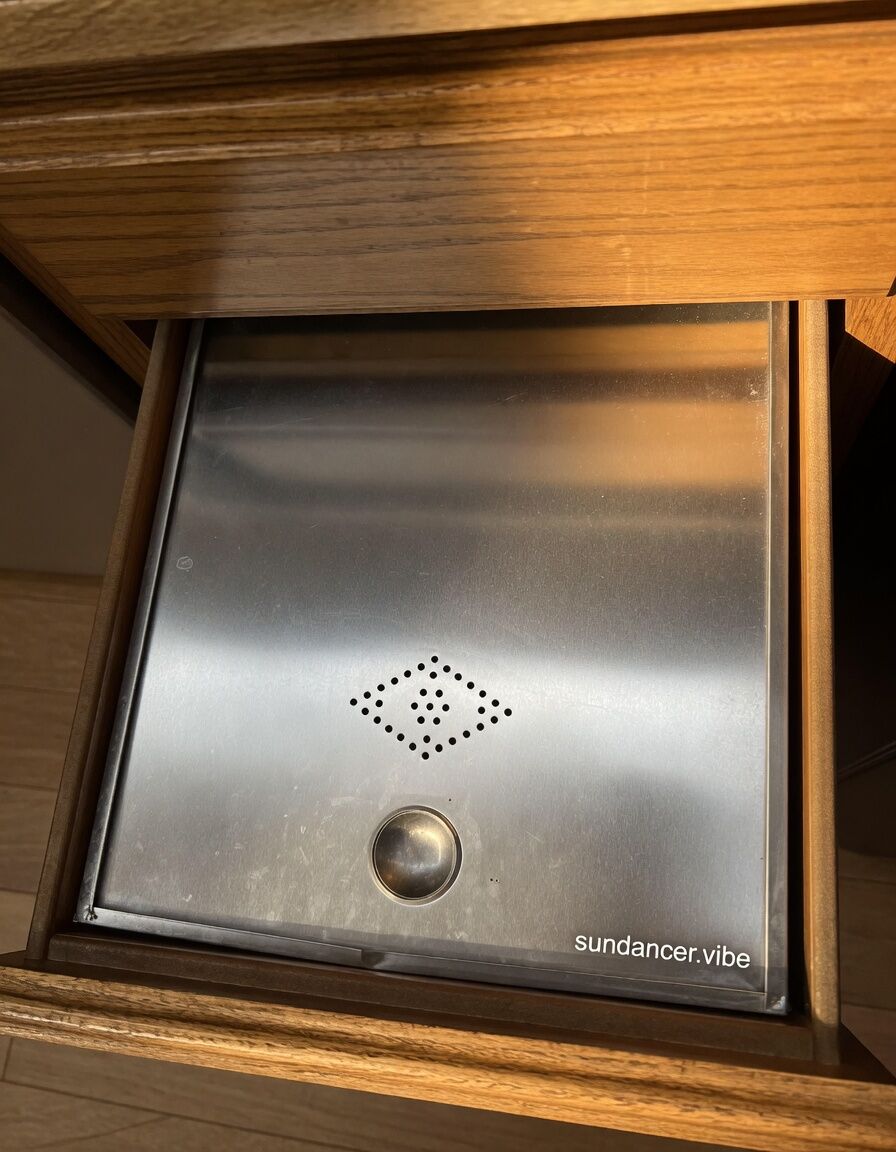
Perhaps the most powerful truth about the breadbox is that it teaches us something larger about life itself. We often assume that progress means replacing the old with the new, but sometimes progress also means rediscovering value in what we left behind. The breadbox is not essential in a technical sense anymore, but it remains essential in an emotional sense. It represents care, patience, and presence—qualities that cannot be automated or upgraded. When you place bread inside it, you are participating in a tradition that stretches back decades, even centuries, of people simply trying to preserve something basic and nourishing for their families. It is a reminder that not everything needs to be optimized to be meaningful. Some things only need to be appreciated.
And so, as it quietly returns to modern kitchens, the breadbox carries with it more than nostalgia. It carries a gentle invitation. To slow down. To bake something from scratch. To notice the small routines that shape a home. To remember that comfort is often found not in what is new, but in what is familiar. It stands as proof that even in a fast-moving world, there is still room for simple things. A wooden box on a counter. A loaf of bread inside. A family gathered nearby. Nothing extraordinary on its own—but together, enough to define what home has always meant.
