
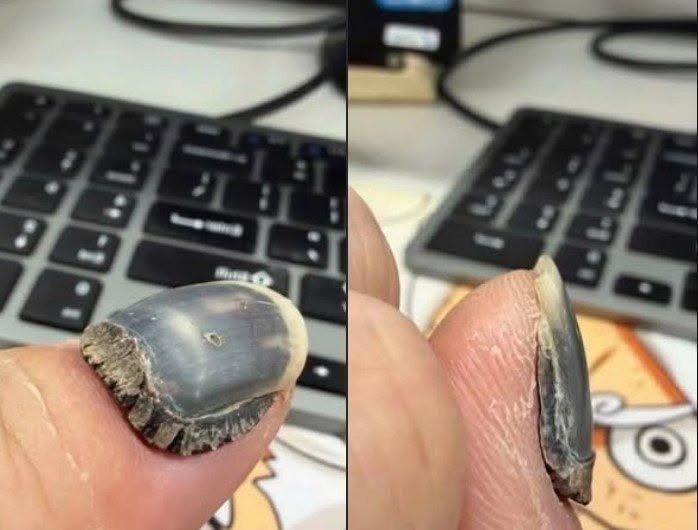
Perfectly polished nails can make your hands look elegant, colorful, and well-groomed. Whether you enjoy classic shades, bold colors, or trendy nail art, nail polish has become part of many people’s beauty routines.
But have you ever removed your polish after several weeks and noticed that your nails looked yellow, greenish, bluish, or stained?
For many people, this can be alarming.
Fortunately, discoloration is often harmless and temporary, but it can also be a sign that your nails need a little extra care—or, in some cases, that a fungal infection has developed.
Understanding why nail color changes happen can help you keep your nails healthy while continuing to enjoy your favorite manicures.
Why Do Nails Change Color?
Healthy fingernails are usually smooth and have a light pink appearance because of the blood vessels beneath the nail plate.
When nails begin changing color, several different factors may be responsible.
Some are cosmetic.
Others may indicate an underlying health issue.
One of the most common causes is frequent use of nail polish, especially dark-colored shades.
Dark Nail Polish Can Stain the Nail
Deep reds, blues, purples, blacks, and dark greens contain strong pigments.
If these polishes are worn repeatedly without using a protective base coat, tiny pigment particles can penetrate the surface of the nail.
Over time, this may leave behind yellow, orange, or slightly greenish stains after the polish is removed.
Although the appearance can be surprising, this type of staining is usually harmless.
The discoloration gradually grows out as the nail naturally replaces itself.
