
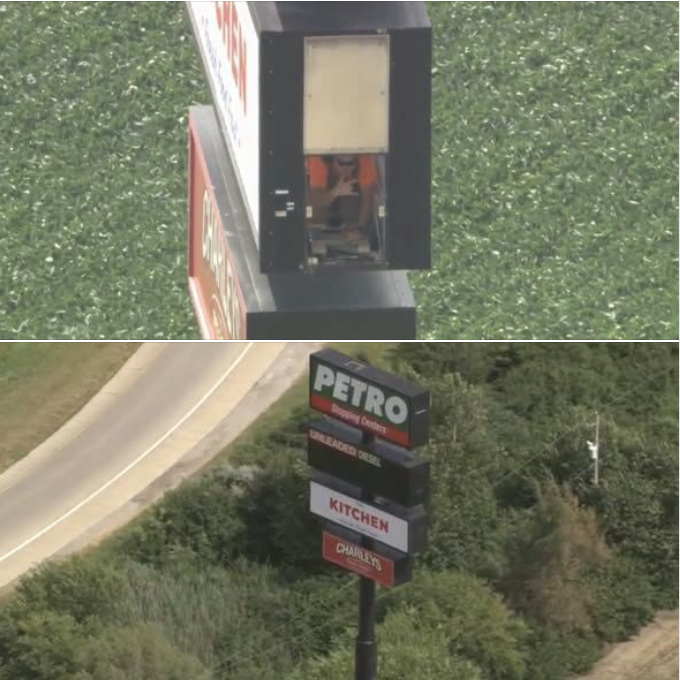
Aerial lifts, boom lifts, scissor lifts, and similar elevated work platforms are used constantly across industries: sign maintenance, telecommunications, construction, warehousing, utility work, and building maintenance. Equipment failure at height is one of the most serious risks these industries face, and when something goes wrong, the consequences can range from minor delays to fatal falls.
This is exactly why occupational safety regulators require rigorous inspection schedules, operator certification, and fall-protection systems for anyone working from an elevated platform. It’s also why so many businesses that operate this kind of equipment carry specialized coverage — because a single malfunction can trigger a cascade of costs: emergency response bills, workers’ compensation claims, potential lawsuits, and reputational damage.
For companies operating in this space, three categories of protection tend to come up again and again:
1. Aerial Lift and Fall Protection Safety Training
Formal training programs exist specifically to certify operators on boom lifts and scissor lifts, covering pre-use inspections, load limits, harness and lanyard use, and emergency procedures if a lift becomes disabled mid-task. Investing in ongoing safety training is one of the most effective ways to reduce the odds that a mechanical failure turns into an injury or a prolonged rescue situation.
2. Workers’ Compensation Coverage
Whenever an employee is injured — or even just stranded and traumatized — during a work task, workers’ compensation insurance becomes central to how medical costs, lost wages, and potential long-term claims are handled. Businesses that send crews to elevated or confined spaces typically carry enhanced workers’ compensation policies precisely because the risk profile is so much higher than in a standard office environment. Employers who cut corners on this coverage can face significant financial exposure if a similar equipment failure results in a more serious outcome.
3. General Liability and Equipment Insurance
Beyond workers’ comp, business liability insurance and equipment breakdown coverage matter enormously in these scenarios. If a lift malfunctions and the resulting emergency response damages property, delays traffic, or triggers a lawsuit from the affected worker or contractor, liability insurance is what stands between a business and a potentially devastating financial loss. Commercial property owners — including gas stations, truck stops, and fuel plazas with large highway signage — often need specific riders in their policies to cover the equipment and structures used to maintain those signs.
The Role of Local Fire Departments in High-Angle Rescues
One of the most striking parts of this story is how difficult it was for local emergency services to physically reach the stranded worker. Most municipal fire departments are equipped with ladder trucks that top out around 75 to 100 feet, which is more than sufficient for the vast majority of building fires and standard rescues. But when a structure — like a 130-foot highway sign — exceeds that height, departments are forced to rely on mutual aid agreements, specialized regional rescue teams, or private equipment rented or borrowed from nearby job sites.
This is where technical rescue teams, sometimes organized through mutual aid associations across multiple fire districts, come into play. These teams train specifically for confined-space extractions, high-angle rope rescues, and industrial accidents — scenarios that fall outside the scope of a typical structure fire response. Departments serving areas with a lot of tall industrial signage, cell towers, grain elevators, or wind turbines increasingly recognize the need to either invest in this specialized training themselves or maintain strong mutual aid relationships with departments and private contractors who can respond quickly when height becomes the limiting factor.
Lessons for Business Owners and Facility Managers
Continue reading…..
