
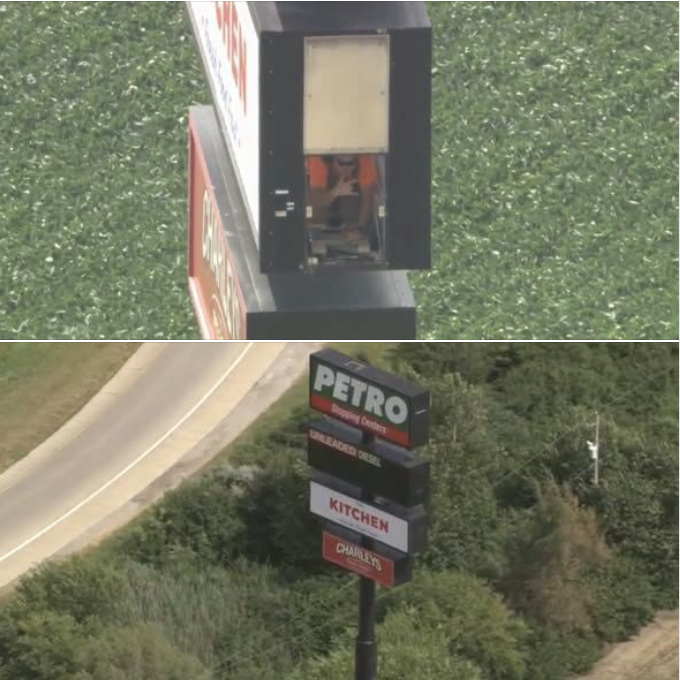
If you own or manage a property with tall signage, industrial equipment, or any structure that requires workers to operate at height, this incident offers a few practical takeaways:
- Schedule regular lift inspections and maintenance. Mechanical failures are far less likely when equipment is inspected on a strict schedule rather than reactively, after something breaks.
- Confirm your emergency response plan accounts for height. If your local fire department’s ladder trucks can’t reach the top of your structure, know in advance who can — whether that’s a regional technical rescue team or a private crane and lift rental company.
- Review your insurance coverage annually. Confirm that your general liability, workers’ compensation, and equipment coverage all reflect the actual risks tied to the equipment and structures on your property, not just a generic policy template.
- Invest in operator certification. Workers using aerial lifts should have documented training specific to the equipment they’re operating, along with clear protocols for what to do if a lift fails mid-task.
Final Thoughts
The Wilmington sign rescue ended the way everyone hopes these stories end: with the worker safely on the ground, uninjured, and back home with what is undoubtedly one hard story to tell. But it’s also a reminder of how quickly routine maintenance work can turn into a high-stakes emergency, and how much depends on the safety systems, training programs, and insurance protections that are (or aren’t) in place long before anything goes wrong.
For businesses that rely on elevated equipment, and for the workers who climb into it every day, this incident is worth treating as a wake-up call rather than just a strange headline. Proper training, well-maintained lifts, adequate workers’ compensation coverage, and a realistic emergency plan for working at extreme heights aren’t just regulatory boxes to check — they’re what turns a potential tragedy into, at worst, a long and uncomfortable afternoon.
