
Can Wearing Someone Else’s Shoes Really Affect Your Feet? What You Should Know
Have you ever put on a pair of shoes that belonged to someone else because they looked comfortable, clean, and still had plenty of life left in them?
While wearing second-hand shoes is not automatically dangerous, there are a few things you should know before slipping your feet into a pair that has been worn by another person.
The biggest concerns are not simply that the shoes are “used.” Instead, the condition of the shoes, moisture, hygiene, fit, and whether the previous wearer had a foot infection can all make a difference.
1. Used Shoes Can Harbor Fungi
One of the most important concerns is fungal infection.
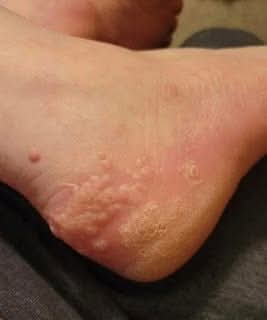
Athlete’s foot is a common fungal infection that can cause itching, scaling, peeling, burning, and sometimes painful cracks, particularly between the toes. Warm, sweaty environments inside shoes can create conditions that allow fungi to survive and grow. Shoes can also contribute to reinfection in people who have recently had athlete’s foot.
This does not mean every used pair of shoes contains fungus. A clean, dry pair that has been properly cared for is very different from an old, damp pair that was worn every day by someone with a foot infection.
2. The Wrong Shoes Can Cause Corns and Calluses
Another common problem has less to do with infection and more to do with pressure and friction.
Corns and calluses develop when an area of skin experiences repeated pressure or rubbing. Shoes that are too tight, too narrow, or simply the wrong shape for your feet can create these pressure points.
A pair of shoes may have been comfortable for the previous owner but still be a poor fit for you.
Your feet are unique. Even small differences in foot shape, toe position, walking pattern, or pressure distribution can affect how a shoe feels.
3. A Shoe That Looks Fine May Still Be a Bad Fit
Appearance isn’t everything.
Shoes can become compressed or shaped by the way their previous owner walked. The cushioning may also become worn down over time.
If your toes are being squeezed, your heel is slipping, or a particular part of your foot is constantly rubbing against the shoe, that friction can eventually lead to irritation, blisters, corns, or calluses.
Health professionals generally recommend footwear that fits properly, provides adequate support, and gives the toes enough room to move.
4. Watch for These Warning Signs
Continue reading on the next page
