
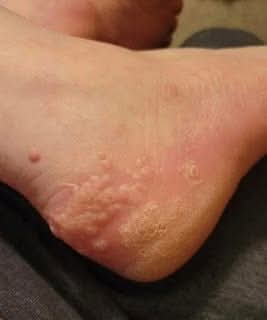
After wearing a pair of shoes, pay attention to changes in your feet.
Possible signs of irritation or fungal infection include:
– Persistent itching
– Peeling or scaling skin
– Redness
– Burning or stinging
– Cracks between the toes
– Blisters
– Thickened or hardened areas of skin
– Pain caused by pressure from the shoe
– Changes around the toenails
These symptoms do not automatically mean that the shoes caused an infection. Several different skin conditions can produce similar symptoms, so persistent or worsening problems should be evaluated by a healthcare professional.
5. How to Make Second-Hand Shoes Safer
If you decide to wear used shoes, a few simple precautions can reduce potential problems.
Clean them first. Follow the manufacturer’s cleaning instructions and make sure the shoes are completely dry before wearing them.
Replace removable insoles when possible. This can be particularly useful if the shoes have been heavily worn.
Keep your feet dry. Change socks regularly and allow shoes to dry thoroughly between uses.
Avoid sharing footwear with someone who has an active foot infection.
Make sure the shoes fit properly. They should not squeeze your toes or create painful pressure points.
If the shoes are damp, have a strong persistent odor, show signs of mold, or appear heavily contaminated, replacing them may be the better option.
6. Don’t Ignore Persistent Foot Problems
Most corns and calluses are not serious, and they often improve when the pressure or friction causing them is removed. However, severe pain, bleeding, pus, signs of infection, or symptoms that do not improve should be checked by a healthcare professional.
People with diabetes, circulation problems, or a weakened immune system should be especially careful with foot problems and should seek professional advice rather than attempting aggressive home treatment.
The Bottom Line
Wearing someone else’s shoes does not automatically mean you will develop a foot infection or a serious foot problem.
The real issue is what’s inside the shoes, how well they have been maintained, how much moisture they contain, whether they were previously worn by someone with a fungal infection, and whether they fit your feet correctly.
A clean and properly fitting pair of second-hand shoes may be perfectly usable. But if a pair is damp, heavily worn, poorly fitting, or associated with an active foot infection, it’s better to think twice before putting your feet in them.
Your feet carry you every day. A little attention to footwear hygiene and proper fit can go a long way toward keeping them comfortable and healthy.
