
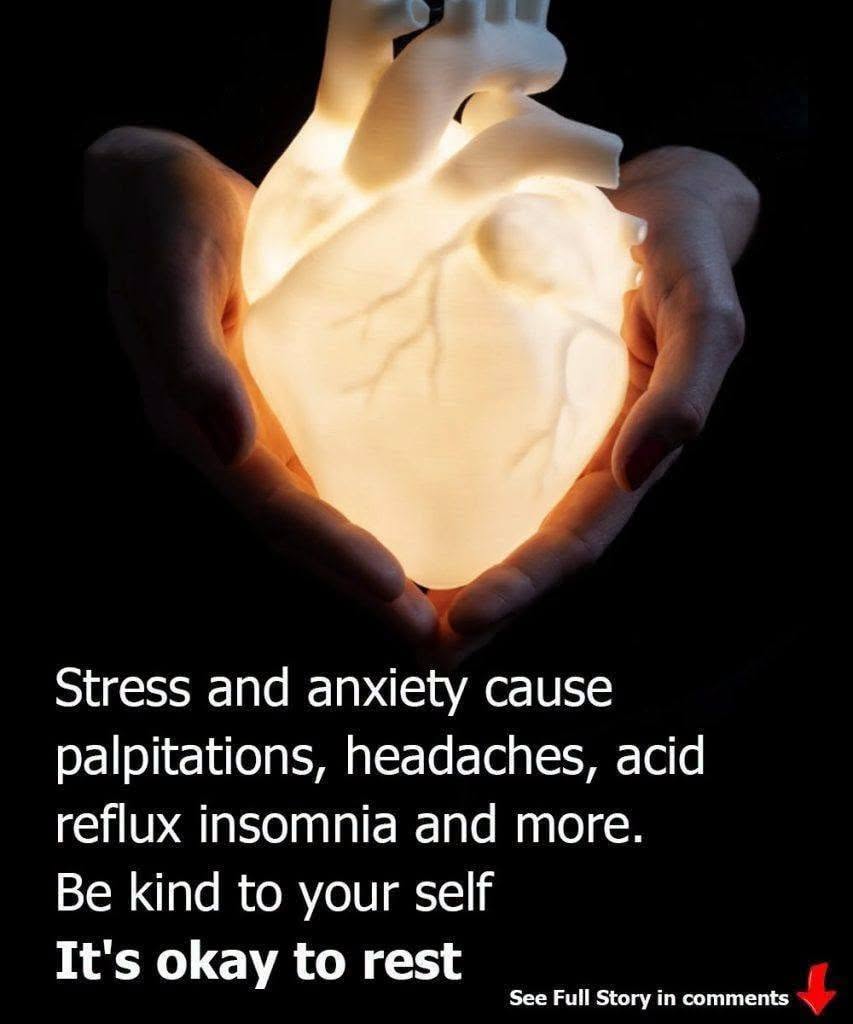
Stress and anxiety are natural responses to life’s challenges. Whether triggered by a demanding job, a busy lifestyle, financial pressure, relationship difficulties, or emotional struggles, these feelings can affect both mental and physical well-being when they become persistent.
Your body may begin sending warning signs before stress becomes overwhelming. Recognizing these symptoms early can help you make changes, seek support when necessary, and protect your overall health.
Here are seven common signs that stress and anxiety may be affecting your body.
1. Muscle Tension
One of the most common physical signs of stress is muscle tension. When you feel threatened, worried, or under pressure, your body activates its natural fight-or-flight response. As part of this response, muscles tighten in preparation for action.
This tension is commonly felt in the neck, shoulders, jaw, upper back, and lower back.
Occasional tension usually disappears once the stressful situation passes. However, when stress becomes chronic, the muscles may remain partially contracted for long periods of time.
This can contribute to stiffness, soreness, reduced mobility, jaw clenching, teeth grinding, and chronic back or neck discomfort.
Ways to Reduce Muscle Tension
Gentle stretching, regular exercise, massage, warm showers, yoga, and slow breathing exercises may help the body relax.
Paying attention to posture is also important, especially if you spend many hours sitting at a desk or looking at a phone.
If muscle pain becomes severe or persists despite stress-management efforts, speak with a healthcare professional to rule out other possible causes.
2. Frequent Headaches
Stress is a common trigger for tension-type headaches. Tight muscles around the scalp, neck, jaw, and shoulders can contribute to a dull, pressing discomfort that may feel like a band around the head.
Some people also notice that emotional stress triggers migraines or makes existing migraine attacks more frequent.
Stress-related headaches can sometimes appear after a long workday, periods of poor sleep, emotional conflict, or extended screen use.
How to Help Prevent Stress-Related Headaches
Helpful strategies may include staying hydrated, maintaining regular sleep, eating consistent meals, taking breaks from screens, exercising, and using relaxation techniques.
Reducing excessive caffeine may also help some people, especially if headaches are accompanied by anxiety or sleep difficulties.
Seek medical attention if headaches are suddenly severe, unusually frequent, associated with weakness, confusion, vision changes, fever, loss of consciousness, or other neurological symptoms.
3. Digestive Problems
The digestive system and brain are closely connected through what is often called the gut-brain axis. This means emotional stress can influence digestion, while digestive discomfort can also affect mood and anxiety.
During stressful periods, some people experience:
- Nausea
- Stomach discomfort
- Diarrhea
- Constipation
- Bloating
- Loss of appetite
- Increased appetite
- Acid reflux
